Sauna for better sleep: timing and tips
 By the Find My Sauna team·
Updated ·
6 min read
Ask regular sauna users what they get out of it and better sleep comes up again and again. There's a sound reason why heat in the evening can make you sleepy, and good research on warm baths backs it up. The sauna-specific evidence is thinner, but the timing advice is clear enough to act on.
The short answer
A sauna in the evening can help you fall asleep, mainly because your body cools down afterwards and a falling body temperature is one of the signals for sleep. A 2019 review of warm bath and shower studies found that 40–42.5 °C (104–108.5 °F) water, 1–2 hours before bed, helped people fall asleep faster. There are no good trials of saunas and sleep yet, but in a survey of 482 regular sauna users, 83.5% said it helped them sleep. Finish your session an hour or two before bed, cool down gently and skip alcohol.
Why heat can make you sleepy
Your core body temperature follows a daily rhythm. It's higher in the early evening, starts to fall ahead of your usual bedtime, and reaches its lowest point during the night. That evening fall is part of what makes you feel sleepy.
To cool your core, your body sends warm blood out to your hands and feet, where heat escapes through the skin. In a well-known 1999 study in Nature, researchers found that the warming of hands and feet, from blood vessels opening up, was the best physical predictor of how quickly people fell asleep.
Heat can help this along. In the sauna, blood vessels in your skin open wide. When you step out, your body is primed to shed heat, and your core temperature drops. If that drop happens in the hour or two before bed, it can line up with your body's own wind-down.
What the warm bath research shows
The best evidence on evening heat and sleep comes from baths and showers, not saunas. In 2019, researchers at the University of Texas at Austin published a review and meta-analysis in Sleep Medicine Reviews. Out of more than 5,000 candidate papers, they found 17 studies that fitted their criteria and pooled the data from 13.
- Water at 40–42.5 °C (104–108.5 °F) was linked to falling asleep faster, about 10 minutes faster on average according to the researchers.
- Timing mattered. The best results came from heat 1–2 hours before bed, and the researchers singled out about 90 minutes as a good window.
- Even a short soak, as little as 10 minutes, helped.
- People also rated their sleep quality as better.
Ten minutes might not sound like much. If you lie awake for half an hour most nights, it's a real difference.
What we know about saunas and sleep
For saunas specifically, the evidence is mostly what people report. In the Global Sauna Survey, published in 2019, 482 regular sauna users from around the world answered a detailed questionnaire. 83.5% said they slept better after a sauna.
That's a striking number, but keep it in proportion. The people who answered were enthusiasts who chose to fill in a survey about saunas, and "I slept better" is a feeling, not a measurement. No one has yet run a good controlled trial of saunas and sleep.
The reasoning from bath studies still applies. A sauna also heats you up and opens the blood vessels in your skin, and the cooling afterwards is the same process. It's reasonable to expect a similar effect, as long as you get the timing right.
When to go
- Evening is best for sleep. Aim to finish your last round 1–2 hours before you plan to sleep. That's the window the bath research points to.
- Straight before bed can work, but give yourself time to cool down fully. Going to bed still hot and sweaty can make it harder to drop off.
- Morning sessions are fine too. There's just no evidence that they help with sleep.
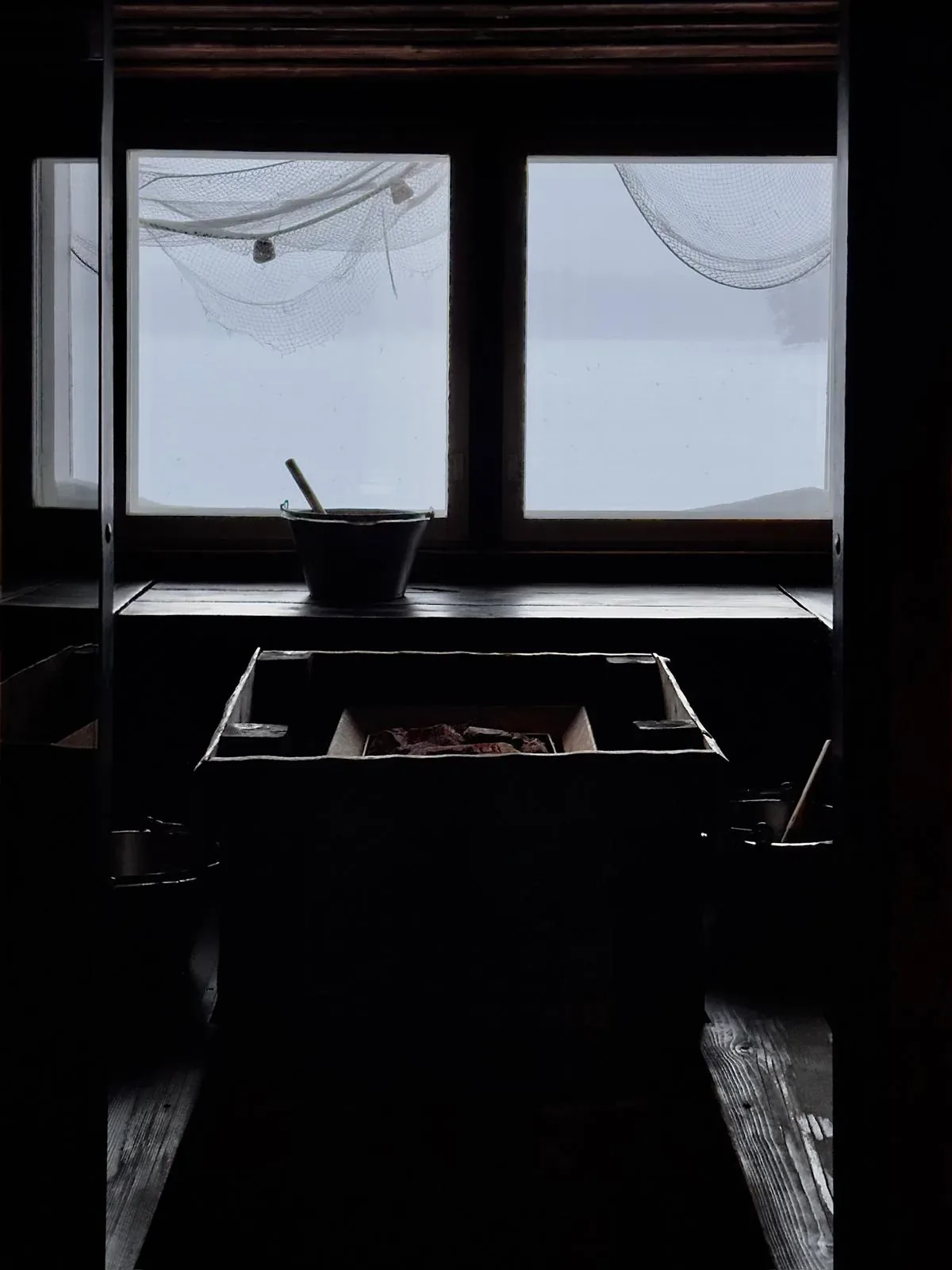
An evening sauna routine
- Eat lightly beforehand, and leave a gap after a big meal.
- Do 2–3 rounds of 10–15 minutes, with breaks in between. This isn't the night for your longest or hottest session. Our guide to how long to stay in a sauna has the details.
- Cool down with a lukewarm or cool shower. An ice plunge gives most people a jolt of alertness, which is great in the morning but not what you want before bed. The cold plunge guide explains why.
- Drink a glass or two of water, then ease off so you're not up in the night.
- Rest for a while in a robe, somewhere quiet, before you head home.
- Keep the bedroom cool, so your body can keep shedding heat.
What can spoil it
- Alcohol. A nightcap might seem to fit an evening of relaxing, but alcohol and sauna heat together are dangerous. Leave it out.
- Overdoing it. A very long, very hot session can leave you wired and dehydrated rather than drowsy.
- Getting the timing wrong. Going to bed before you've cooled down cancels out the benefit.
- Dehydration. Waking up thirsty or with a headache is a sign you didn't drink enough.
For more on what the research says about heat and health in general, see sauna benefits, and for the calming side of the sauna, sauna for depression and anxiety.
Who should be careful
For most healthy adults an evening sauna is safe. Check with a doctor first if you have a heart condition, low or unstable blood pressure, are pregnant, or take medicine that affects blood pressure, sweating or alertness, including sleeping tablets. Don't use a sauna after drinking alcohol, and don't fall asleep in the sauna. Leave if you feel dizzy, sick or confused.
This guide is general information, not medical advice.
Where to find a sauna
Many saunas listed on Find My Sauna are open in the evening, and a private sauna lets you set your own pace. A few to try:
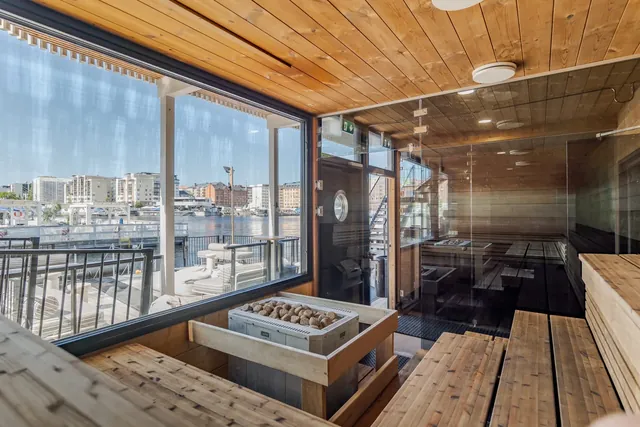
FLOU Sauna
Tampere · Floating sauna
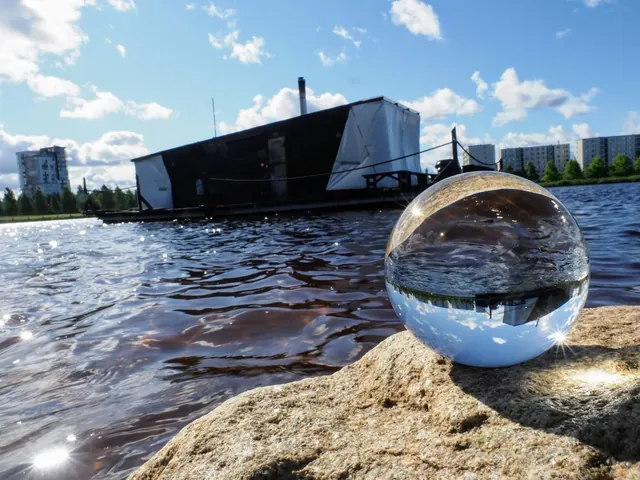
Kesän Sauna
Oulu · Floating sauna

Villa Salmela Sauna
Helsinki · Private sauna
Frequently asked questions
Is it good to use a sauna before bed?
It can help, as long as you finish 1–2 hours before you sleep and cool down properly. The fall in body temperature afterwards is what helps you feel sleepy.
How long before bed should I use a sauna?
Research on warm baths suggests finishing 1–2 hours before bed, with about 90 minutes as a good target.
Why do I sleep so well after a sauna?
After the heat, your body works to cool down, and a falling core temperature is one of the signals that helps you fall asleep. Relaxation helps too.
Why can't I sleep after a sauna?
You may have gone too close to bedtime, stayed in too long, finished with an ice plunge or not drunk enough water. Try an earlier, gentler session.
Is infrared or Finnish sauna better for sleep?
There are no good studies comparing them. Both warm you up, and the cooling afterwards is what matters.