Cold plunge benefits and how to start
 By the Find My Sauna team·
Updated ·
8 min read
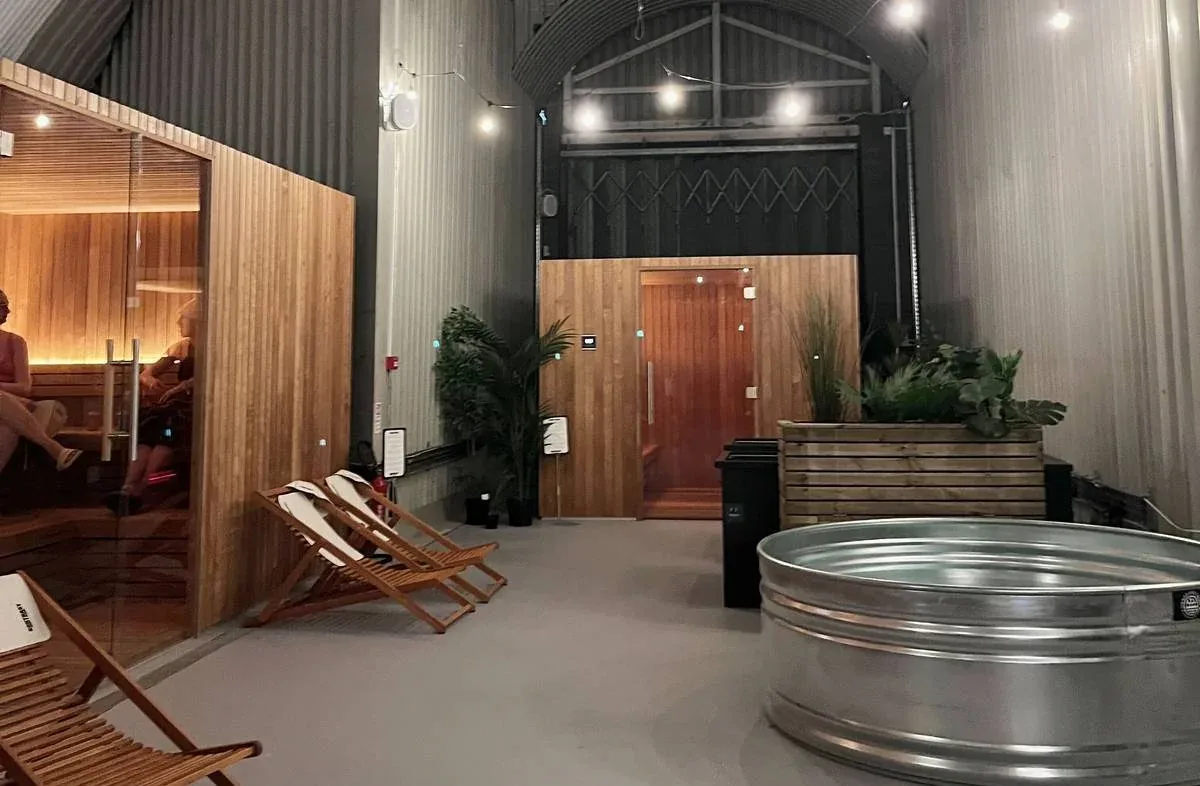
A few years ago, sitting in a tub of ice water was something athletes did after a match. Now there are cold plunge tubs in saunas, gyms and back gardens. Here's what the research says it does, and how to try it without overdoing it.
The short answer
A cold plunge gives you a strong jolt of alertness and, for many people, a lift in mood that lasts a while afterwards. It can ease muscle soreness after hard exercise. Claims about boosting your immune system and burning fat are much weaker. Start with water around 10–15 °C (50–59 °F) for 30 seconds to 2 minutes, never plunge alone in open water, and talk to a doctor first if you have a heart condition.
What happens in cold water
The first 30 seconds or so are the hardest. Cold water on your skin triggers the cold shock response: you gasp, your breathing speeds up and your heart rate and blood pressure jump. That's why you should get in slowly and never put your head under straight away.
After a minute your breathing settles. Blood vessels in your skin narrow to keep heat in your core, which is why your skin turns red or pale. Your body releases a burst of stress hormones, and that's where the alert, buzzing feeling comes from.
Mood and alertness
This is the benefit most people notice. In a well-known Czech study from 2000, men sat in 14 °C water for an hour. Their blood levels of noradrenaline rose by 530% and dopamine by 250%. Both chemicals are linked to alertness and mood.
Two things to keep in mind. An hour is far longer than anyone needs, and the study measured hormones in the blood, not in the brain. Still, it fits what regular plungers describe: a clear, upbeat feeling that lasts for some time afterwards. Surveys of winter swimmers report similar effects on mood and stress.
Muscle soreness
Reviews of the research find that cold water immersion after hard exercise reduces muscle soreness over the next day or two, compared with resting. It seems to help most after running, team sports and other punishing endurance sessions. If you have to perform again the next day, like in a tournament, it may help you feel ready.
A catch for strength training
If you're lifting weights to build muscle, an ice bath straight afterwards may work against you. In a 2015 study in the Journal of Physiology, men who sat in cold water for 10 minutes after each strength session for 12 weeks gained less muscle and strength than men who did an easy cool-down instead. The cold seems to dampen the signals that tell muscles to grow.
The simple fix is timing. Keep the cold plunge away from your strength sessions, for example on a different day or several hours later. Our guide on using the sauna before or after a workout covers heat as well.
Immunity and sick days
You'll often hear that cold water "boosts your immune system". The best study on this was a Dutch trial in 2016 with more than 3,000 people. Those who finished their daily shower with 30 to 90 seconds of cold water took 29% fewer sick days off work than those who didn't. But they reported being ill on just as many days. They seemed to feel well enough to carry on working, which is interesting, but it isn't the same as getting ill less.
Metabolism and fat
Cold makes your body burn extra energy to stay warm, and regular cold exposure can activate brown fat, a type of fat that burns calories to make heat. These effects are real but small. A few minutes of cold a day won't make a noticeable difference to your weight on its own. Diet and activity matter far more.
How to start
- Begin with cold showers. Finish your normal shower with 30 seconds of cold water. Build up over a week or two.
- Pick a sensible temperature. For a first plunge, 10–15 °C (50–59 °F) is cold enough. Colder isn't better for beginners.
- Keep it short. 30 seconds to 2 minutes is plenty. Many regulars stay in for 2–3 minutes and rarely more than 5.
- Get in slowly and breathe out. Lower yourself in, keep your head above water and focus on long, slow breaths out until the gasping stops.
- Warm up gently. Dry off, get dressed and move around, or sit in the sauna. Avoid a scalding hot shower straight away.
Sauna and cold plunge together
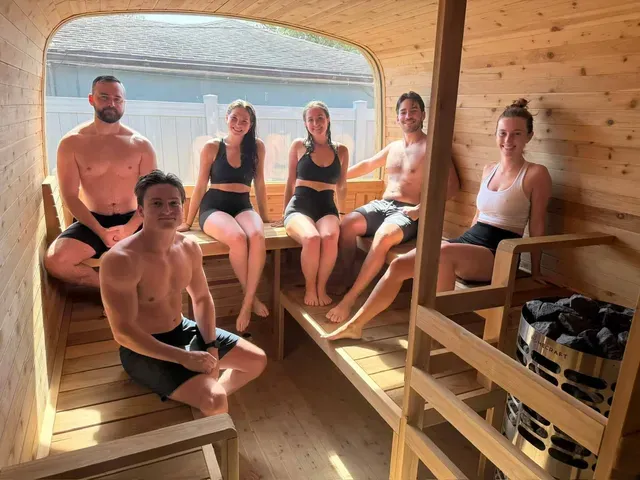
Going between hot and cold, sometimes called contrast therapy, is how most Nordic and Baltic saunas have always worked. A typical round is 10–15 minutes in the sauna, a minute or two in cold water, then a rest. Many people find the cold far easier to face when they're properly hot. See how long to stay in a sauna for the full routine, and sauna benefits for the research on heat.
Who should be careful
- Heart conditions and high blood pressure. The cold shock response puts real strain on the heart. Ask your doctor first.
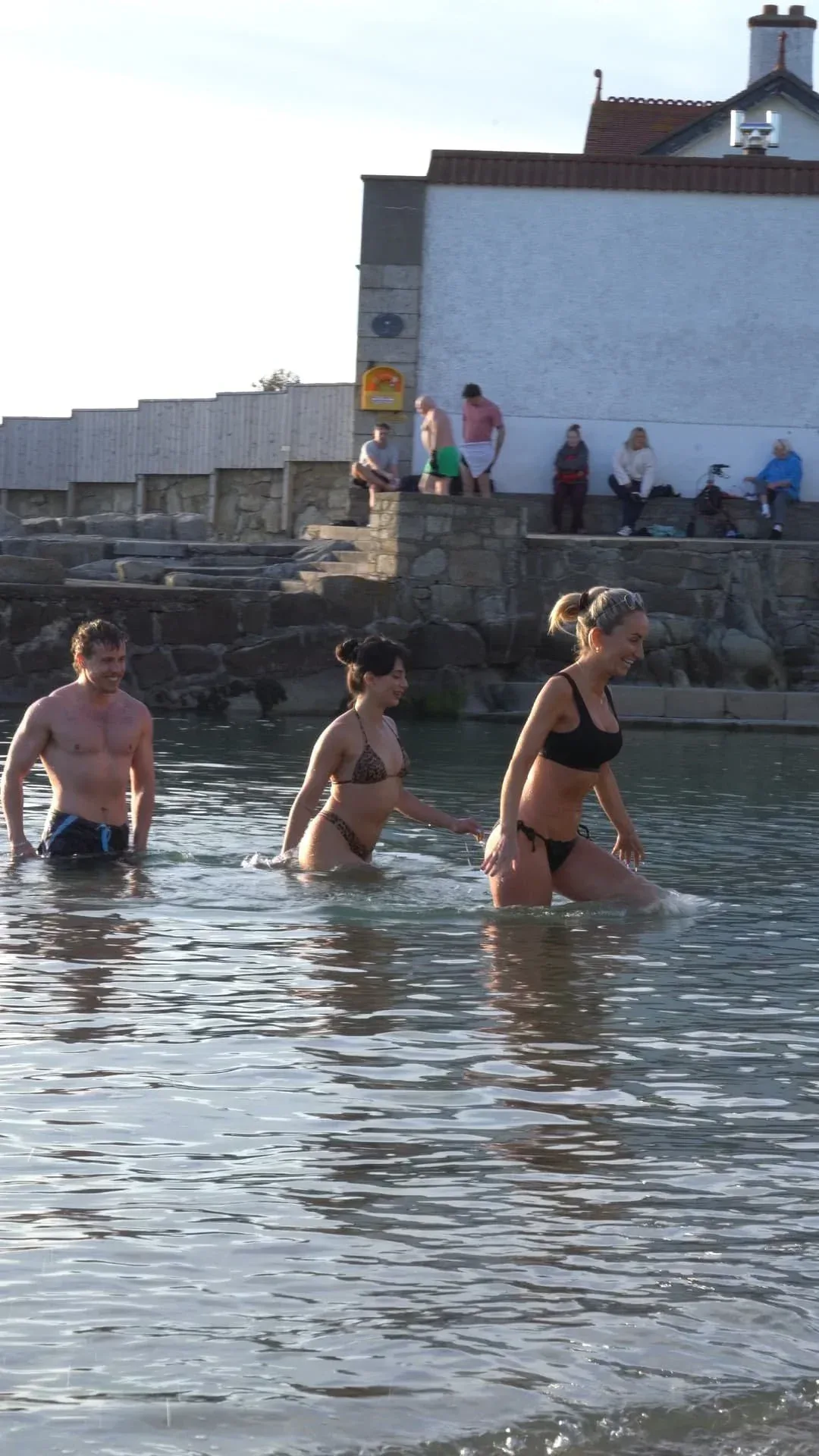
- Open water. Never swim alone, stay close to shore and know how you'll get out. Cold water makes your arms weak faster than you expect.
- Alcohol. Never plunge after drinking.
- Raynaud's and cold sensitivity. Cold water can trigger painful attacks.
- Pregnancy. Check with your midwife or doctor.
This guide is general information, not medical advice.
Where to try a cold plunge
Many saunas listed on Find My Sauna have a cold plunge, an ice bath or direct access to the sea. A few to start with:

Soul Water Sauna (Granton)
Edinburgh · Seaside sauna

Bristol Community Sauna
Bristol · Community sauna

Skuna Sauna & Cold Plunge
London · Floating sauna and plunge
Frequently asked questions
How long should you stay in a cold plunge?
Beginners should aim for 30 seconds to 2 minutes. Regulars often do 2–3 minutes. There is little reason to go past 5.
What temperature should a cold plunge be?
Around 10–15 °C (50–59 °F) is a good place to start. Experienced plungers often go colder, but you do not need to.
Is a cold plunge good after a workout?
It can ease soreness after hard endurance training. After strength training it may reduce muscle gains, so leave a gap of several hours.
Is it better to do a cold plunge in the morning or evening?
Many people like the morning because of the alert feeling it gives. Some find it makes it harder to sleep if done right before bed.
Is a cold shower as good as a cold plunge?
A cold shower is milder but still triggers many of the same responses. It is the easiest way to start.