Does sweating in a sauna detox your body?
 By the Find My Sauna team·
Updated ·
7 min read
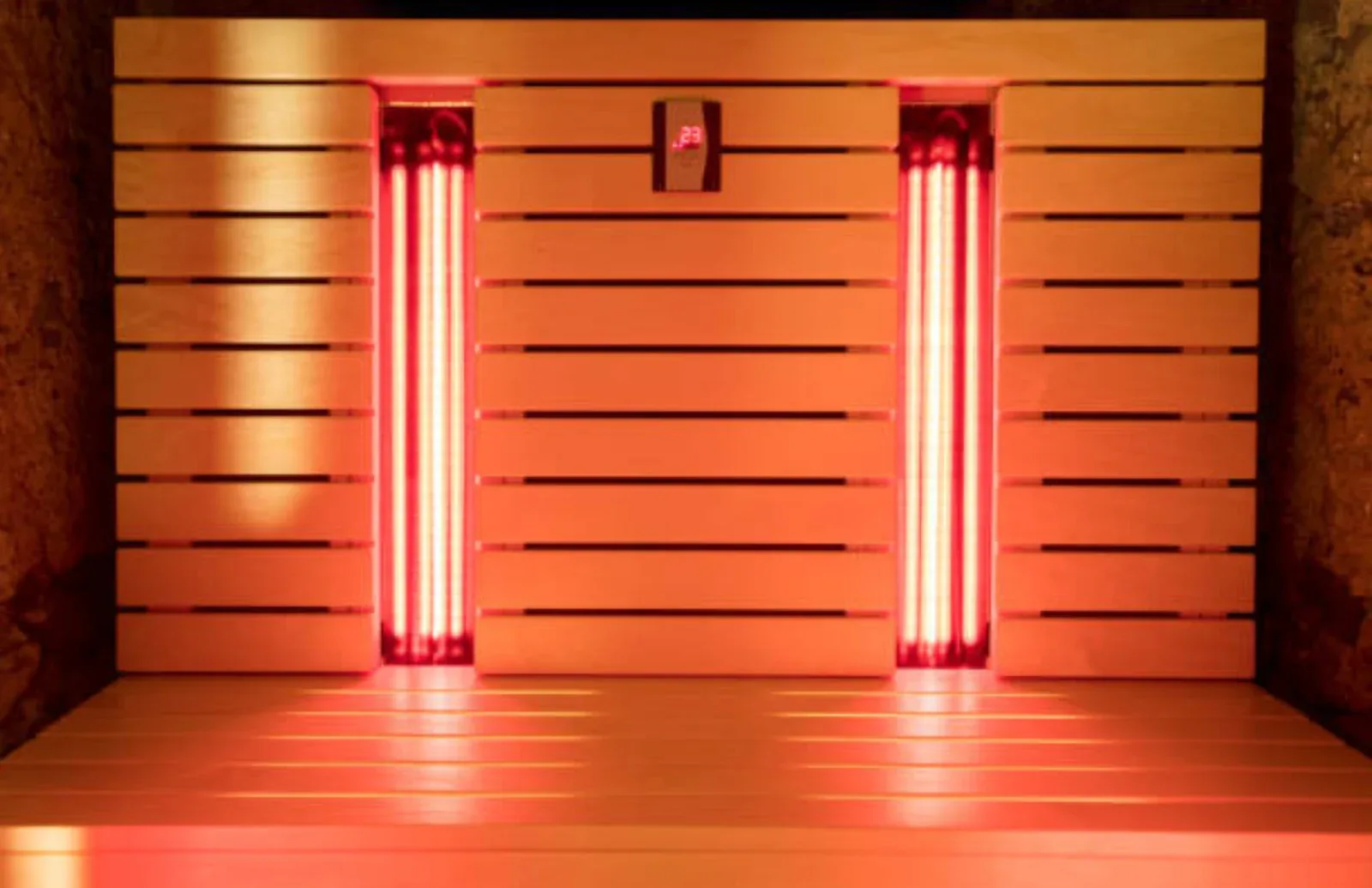
Detox is one of the things saunas are most often sold on, infrared ones in particular. The idea is simple: you sweat, and the sweat carries toxins out with it. There's a small grain of truth in it. The problem is the size of the grain.
The short answer
Sweat is more than 99% water, with some salt and traces of other substances. Your liver and kidneys do the real work of clearing waste and chemicals from your body, and they don't need a sauna to do it. A few small studies have found heavy metals and BPA in sweat, but finding something in sweat isn't the same as removing a useful amount of it. One estimate put the pollutants lost in a day of heavy sweating at around 0.02% of what a typical diet takes in. Enjoy the sauna for what it does well and ignore the detox label.
What sweat is made of
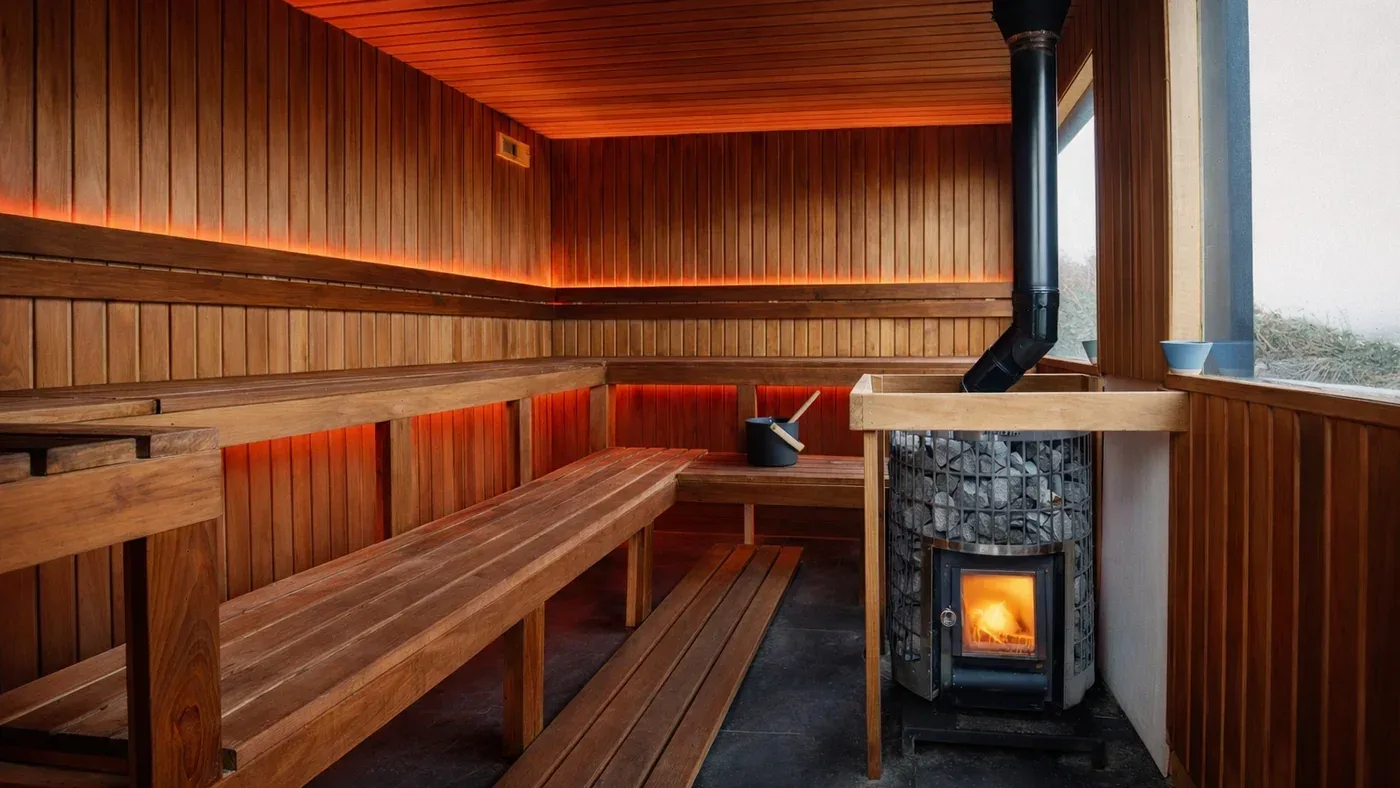
Sweat's job is to cool you down. As it evaporates from your skin it takes heat with it. That's why you sweat so much in a sauna: at 80 °C (176 °F) the air is far hotter than you are, so evaporating sweat is the only way your body can shed heat.
Sweat is more than 99% water. The rest is mostly salt, with small amounts of minerals like calcium, plus traces of proteins, lactic acid and urea. Tiny amounts of hundreds of other substances turn up too, including some toxic ones. That last part is where the detox story starts.

How your body really clears waste
Your liver breaks down alcohol, medicines, hormones and many other chemicals into forms your body can get rid of. Your kidneys filter your blood around the clock and send the waste out in urine. Some substances leave in bile and stool, and some you breathe out.
Sweat plays a minor part. Take urea, a waste product your liver makes when it breaks down protein. A little leaves in sweat, but your kidneys get rid of almost all of it. Sweat only becomes an important route for urea when the kidneys are failing.
If your liver and kidneys are healthy, they're already doing the job. If they aren't, you need a doctor, not a sauna.
The studies behind detox claims
Most detox claims about saunas lead back to a small set of studies, several of them by Stephen Genuis, a doctor at the University of Alberta in Canada.
- Metals in sweat (2011). His team collected blood, urine and sweat from 20 people, 10 healthy and 10 with health problems, and tested them for about 120 compounds. Many toxic elements turned up in sweat, some at higher levels than in blood or urine.
- BPA in sweat (2012). The same group found BPA, a chemical used in some plastics, in the sweat of 16 of the 20 people, including some who had none detectable in their blood or urine.
- A review of metals (2012). A systematic review of arsenic, cadmium, lead and mercury in sweat looked at 24 studies. In people with high exposure, sweat often held higher concentrations than blood or urine. The authors called for proper trials.
The BPA paper concluded that induced sweating "appears to be a potential method" for getting rid of it. That careful wording tends to vanish by the time it reaches a sauna brochure.
Why those studies don't prove detox
Read closely, these studies found substances in sweat and suggested sweating deserved more research. None of them showed that using a sauna lowered the amount of those chemicals in anyone's body, or made anyone healthier.
- They were small. Twenty people in each of the Alberta studies.
- There was no comparison over time. They didn't follow people who used a sauna and people who didn't to see whether levels in the body changed.
- Concentration isn't quantity. A substance can be more concentrated in sweat than in blood and still add up to a very small total, because you only sweat so much.
That last point matters most.
How much actually comes out
In 2018 researchers at the University of Ottawa worked out how much of the persistent organic pollutants (a group that includes PCBs, some pesticides and flame retardants) a person loses in sweat. Their estimate was that someone who sweated around 2 litres in a day, including 45 minutes of hard exercise, would lose less than a tenth of a nanogram. That's about 0.02% of what a typical diet puts in each day, and perhaps 0.04% if you pushed yourself very hard.
Metals are a slightly different story, as some do come out in sweat. But a 2022 study in Taiwan, in which 12 students sweated for 20 minutes on a treadmill and in a sauna cabinet, found higher levels of nickel, lead, copper and arsenic in the sweat from exercise than in the sweat from sitting in the sauna. If anything, it suggests moving beats sitting.
Why detox marketing misleads
"Detox" sounds specific, but it rarely comes with the details you'd need to judge it: which toxin, how much leaves your body, and what changes as a result.
The word can also do harm. It suggests your body is clogged and needs help, which isn't true if your organs work. It can tempt people to stay in the heat longer than is wise, chasing more sweat. And it sometimes comes bundled with pricey programmes, supplements or claims about treating illness. Be wary of any sauna, sauna blanket or clinic that promises to remove heavy metals, mould toxins or "chemicals" without telling you what they measured and how.
If you're worried about a real exposure, such as lead at work, see a doctor. There are blood tests for it and proper treatments if you need them.
What a sauna does do
Drop the detox label and there's still plenty to like. In large Finnish studies, regular sauna use is linked to a healthier heart and lower blood pressure, and many people find it helps them relax and sleep. Our guide to sauna benefits goes through the research.
The weight you lose in a session is water, as does a sauna help you lose weight? explains. And infrared saunas, where detox claims are loudest, have their own evidence summarised in infrared sauna benefits.
Who should be careful
Heavy sweating costs you water and salt. Drink before and after, and don't stay in longer to sweat more out. Check with a doctor first if you have kidney or heart disease or low blood pressure, are pregnant, or take diuretics or blood pressure medicine. Never use a sauna after drinking alcohol, and get out if you feel dizzy or sick.
This guide is general information, not medical advice.
Where to find a good sauna
Go for the heat, the quiet and the cold dip afterwards. A few independent saunas listed on Find My Sauna:

Mersea Sauna
Liverpool · Finnish sauna

Sauna in the Lanes
Brighton · Finnish sauna

Sea Biscuit Sauna
Aberdeen · Sauna and rituals
Frequently asked questions
Can you sweat out toxins in a sauna?
Only in trace amounts. Your liver and kidneys clear almost all waste and chemicals. One estimate found sweat removes around 0.02% of the pollutants a typical diet takes in each day.
What is sweat made of?
More than 99% water, plus salt and small amounts of minerals, urea, lactic acid and proteins.
Do infrared saunas detox better than traditional saunas?
There is no good evidence for that. Both make you sweat, and sweat is mostly water and salt however you produce it.
Does a sauna help your liver or kidneys?
No study has shown that it does. Healthy organs do not need help from sweat. If you have kidney or liver disease, ask your doctor before using a sauna.
Can a sauna help after a night of drinking?
No. Your liver clears alcohol, and a sauna while you are dehydrated or still drunk is risky. Wait until you have recovered and drunk plenty of water.