Sauna vs steam room: which is better for you?
 By the Find My Sauna team·
Updated ·
7 min read
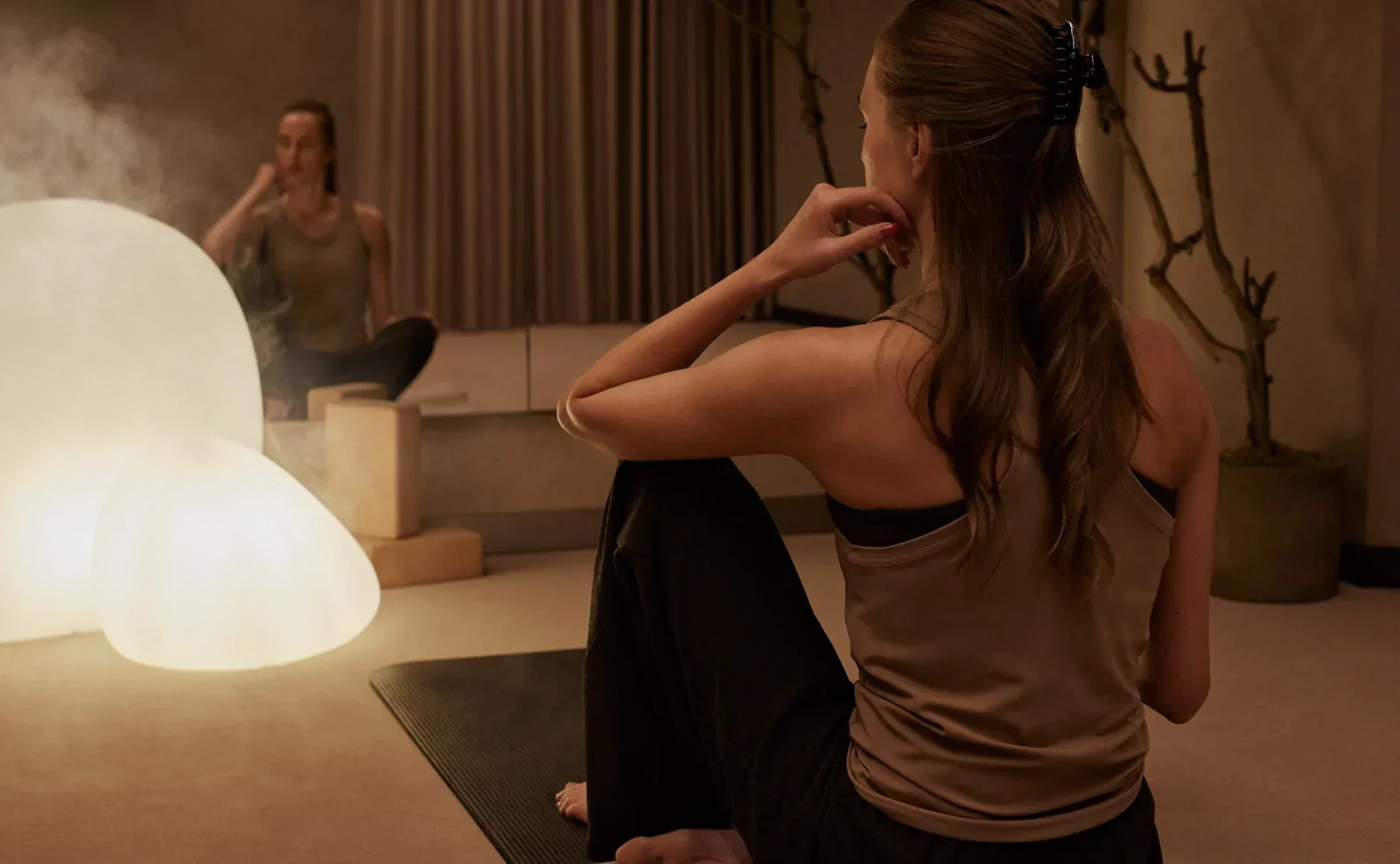
Most spas have both, often side by side, and plenty of people pick one at random. They're very different rooms. One is hot and dry, the other cooler and dripping wet, and they suit different people.
The short answer
A sauna is hot and dry: usually 70–100 °C (158–212 °F) with low humidity. A steam room is much cooler, around 40–50 °C (104–122 °F), but the air is close to 100% humid, so it feels just as intense. Saunas have far more health research behind them. Steam rooms can feel easier on dry skin and blocked noses. Neither is better for everyone, and many people use both.
The main difference
Both rooms warm you up until you sweat. The difference is the water in the air.
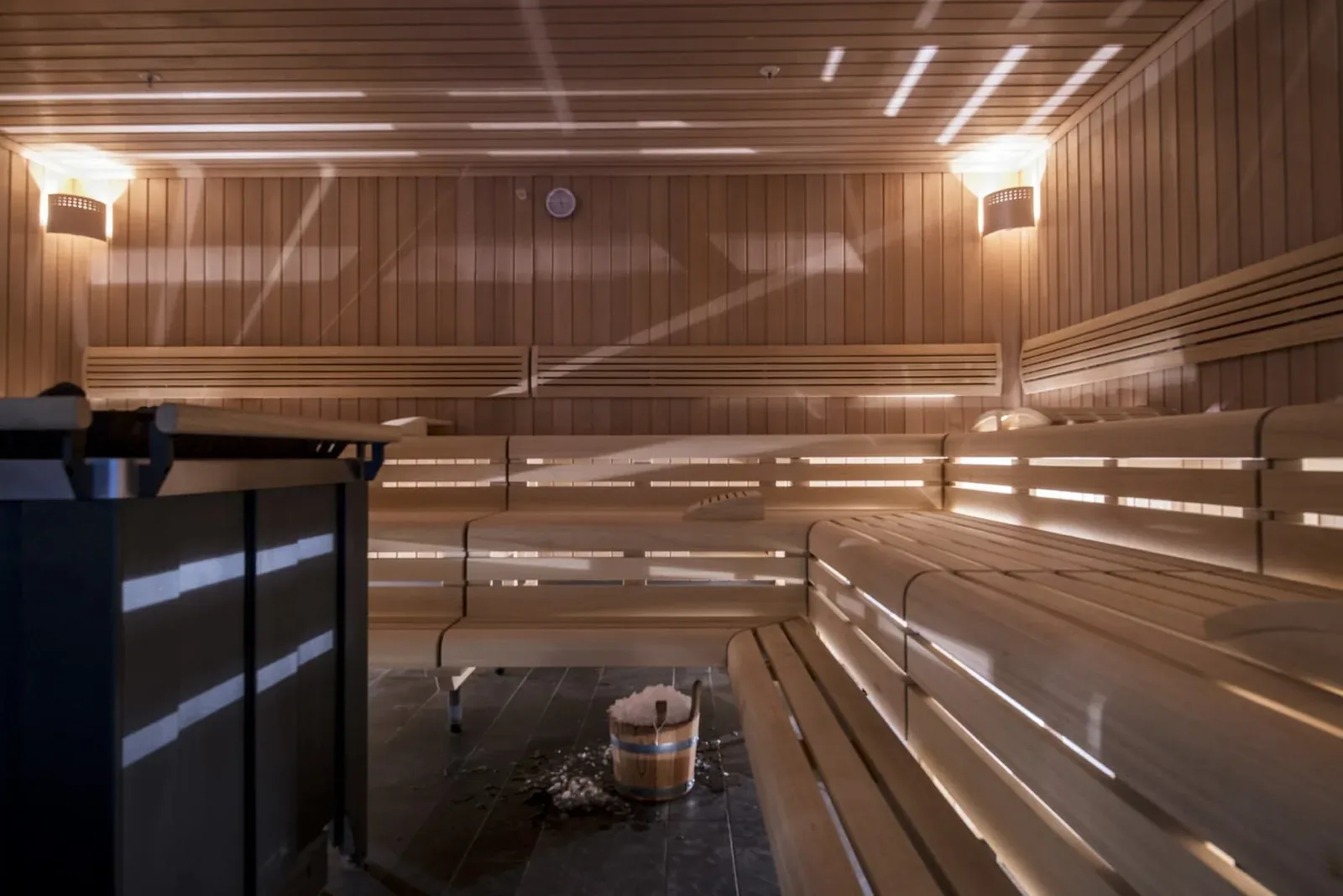
In a sauna, a stove heats rocks and the rocks heat the air. The air is dry, so your sweat evaporates and cools you a little, which is why you can sit in 80 °C or more for a while. In a Finnish sauna you can throw water on the stones for a short wave of steam called löyly, but the room dries out again within a minute or two.
In a steam room, a generator pumps in steam until the air is saturated. Sweat can't evaporate in air that wet, so your body can't cool itself as well. That's why steam rooms are kept far cooler than saunas and still feel very hot. The walls are tiled or stone rather than wood, and everything drips.
Side by side
| Sauna | Steam room | |
|---|---|---|
| Temperature | 70–100 °C (158–212 °F) | 40–50 °C (104–122 °F) |
| Humidity | Low, about 10–20%, briefly higher with löyly | Close to 100% |
| Heat source | Stove heating stones | Steam generator |
| Room | Wood, often with tiered benches | Tile or stone, often with a domed ceiling |
| Typical session | 8–15 minutes per round | 10–20 minutes per round |
| Feel | Hot air on the face, dry skin | Heavy, misty, wet skin |
| Research | Large long-term studies | Very little |
Skin
Steam rooms win on how your skin feels straight afterwards. The moist heat softens the top layer of skin and leaves it looking flushed and dewy, which is partly why hammams pair steam with scrubbing. The effect wears off within hours, though. There's no good evidence that either room clears acne or slows ageing.
If you have dry or easily irritated skin, a sauna can leave it feeling tight. Moisturise afterwards, or try the steam room instead.
Breathing and colds
Many people find steam easier to breathe when their nose is blocked, the same way a hot shower helps. The relief lasts as long as you're in the steam. It doesn't treat a cold. Others find thick steam hard to breathe and prefer the dry air of a sauna. Try both and see which suits you.
Whichever you choose, stay out when you have a fever. Heat on top of a fever puts extra strain on your body.

Heart and long-term health
If health is the main reason you go, the sauna has the stronger case. Large Finnish studies following thousands of people for decades link frequent sauna use to lower rates of heart disease, stroke and dementia. Steam rooms simply haven't been studied that way, so we don't know whether they do the same. The heat stress is similar, but the research isn't there. Read more in sauna benefits: what the research actually says.
Muscles and recovery
Both rooms warm your muscles and can make you feel looser after exercise. There's no clear winner. Go with whichever you find more relaxing, and drink water either way, since you'll sweat heavily in both.
Hygiene
Warm, wet rooms are good for bacteria and fungi, so steam rooms need more care. A well-run spa cleans them several times a day. Your part: shower before you go in, sit on a towel and wear flip-flops on the way. Saunas are drier and so harder for germs to live in, but sitting on a towel is still the rule. Our guide to what to wear in a sauna has more.
Using both in one visit
There's no fixed rule, but a common order is:
- Start in the steam room for 10–15 minutes to warm up gently.
- Cool off with a shower and rest for a few minutes.
- Move to the sauna for a round of 8–15 minutes.
- Cool down again, with a cold plunge if there is one, and drink water.
Two or three rounds in total is plenty for most people. See how long to stay in a sauna for timings and warning signs.
A Turkish hammam and a Russian banya are close relatives of the steam room, both built around humid heat. An infrared sauna sits at the other end of the scale: gentle dry heat with no steam at all. Read what is an infrared sauna for how it compares.
Where to find a steam room
Find My Sauna lists 1,564 places with a steam room. These cities have the most:

Flamingo Spa & saunamaailma
Helsinki · Saunas and steam rooms

Rudas Gyógyfürdő és Uszoda
Budapest · Thermal bath with steam

Sofiebadet
Copenhagen · Historic bathhouse
Frequently asked questions
Is a sauna or steam room better for weight loss?
Neither. Both make you sweat out water, which you put back as soon as you drink.
Which is hotter, a sauna or a steam room?
A sauna is much hotter, at 70–100 °C against 40–50 °C. A steam room feels just as hot because the wet air stops your sweat from cooling you.
Is a steam room good for a cold?
Steam can ease a blocked nose while you are in it, but it does not treat the cold. Stay away from both if you have a fever.
Should I do the sauna or the steam room first?
Many people start in the gentler steam room and finish in the sauna, but either order is fine. Cool down and rest between rounds.
Can you use a steam room every day?
Most healthy adults can. Keep sessions to 10–20 minutes, drink water and leave if you feel dizzy.


