Onsen guide: rules and etiquette for Japanese hot springs
 By the Find My Sauna team·
Updated ·
7 min read
Soaking in a Japanese hot spring is one of the great pleasures of a trip to Japan. The rules are simple once you know them, and locals really do notice when they're broken. This is everything you need for your first onsen.
The short answer
An onsen is a Japanese bath fed by natural hot spring water. You bathe naked in baths separated by sex, wash thoroughly at the seated showers before you get in, keep your small towel out of the water and your hair tied up, and stay quiet. Swimsuits aren't allowed. Some onsen still turn away people with tattoos, so check before you go if you have one.
What an onsen is
Japan sits on a lot of volcanic activity, and hot water comes out of the ground in thousands of places. Under Japan's Hot Spring Act, water counts as an onsen if it comes out of the ground at 25 °C or more, or contains enough of certain minerals. Each onsen has to display an analysis of its water, often at the entrance.
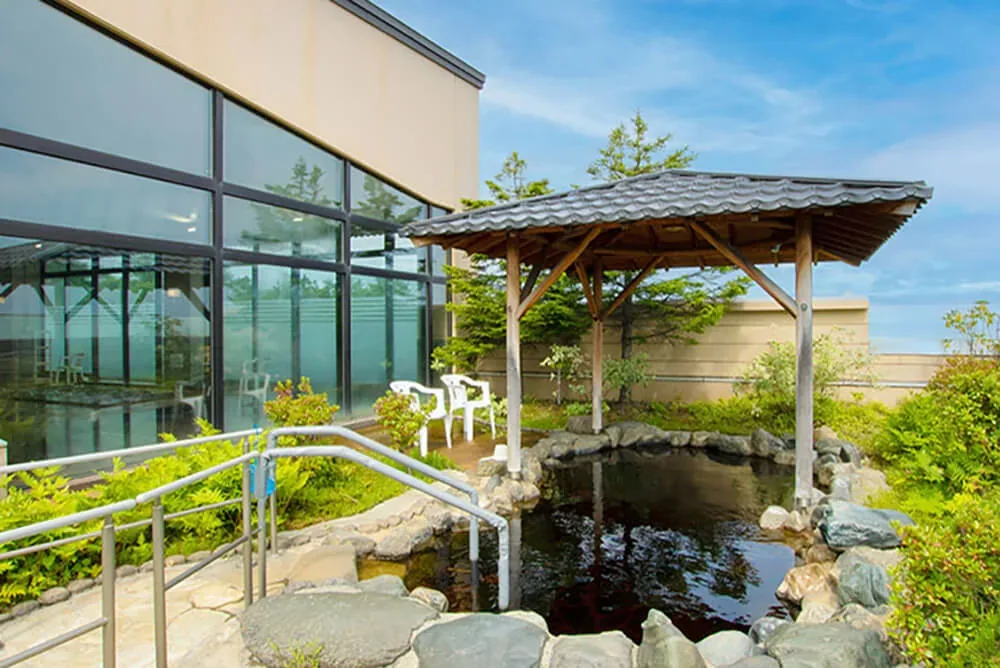
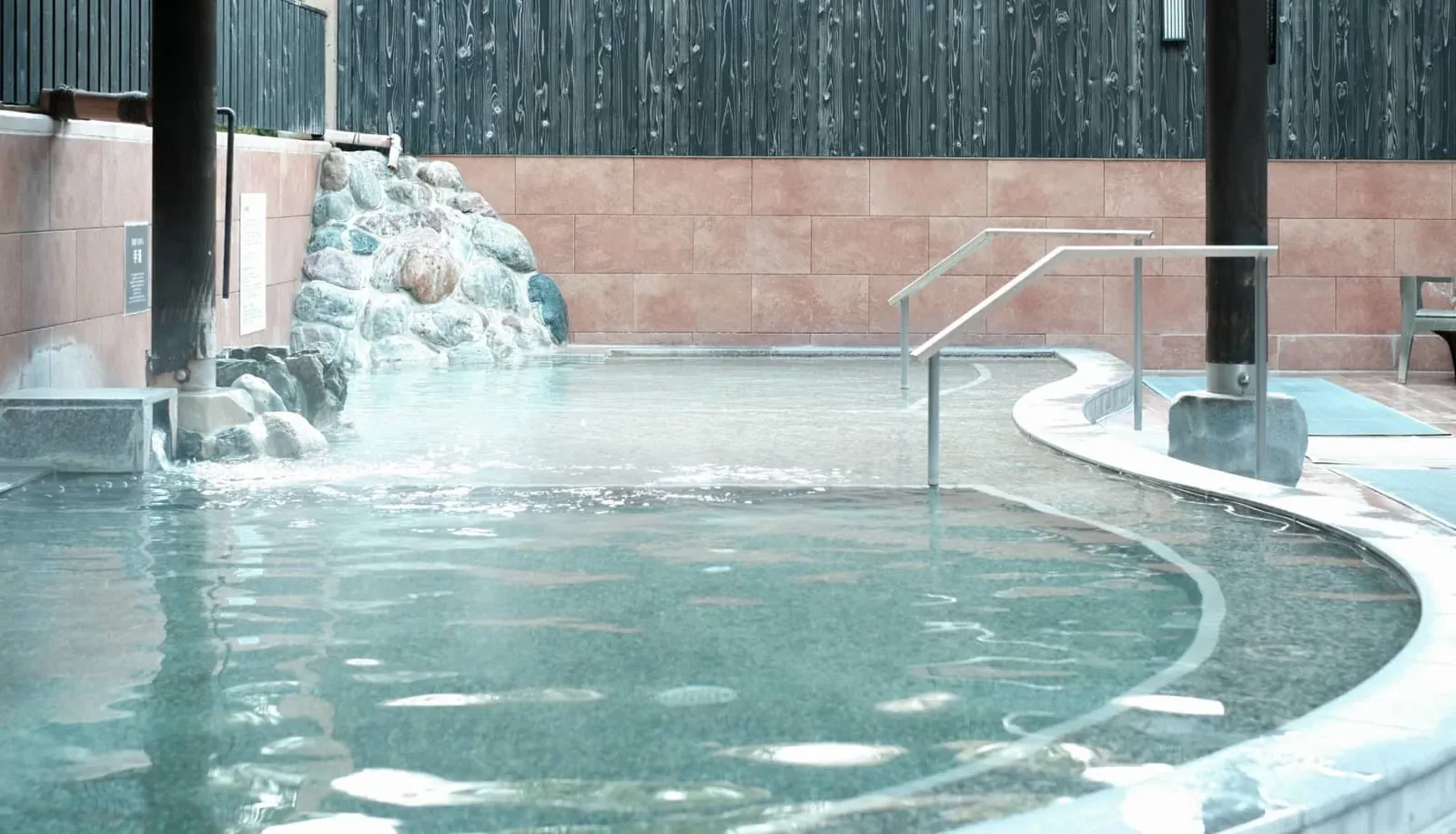
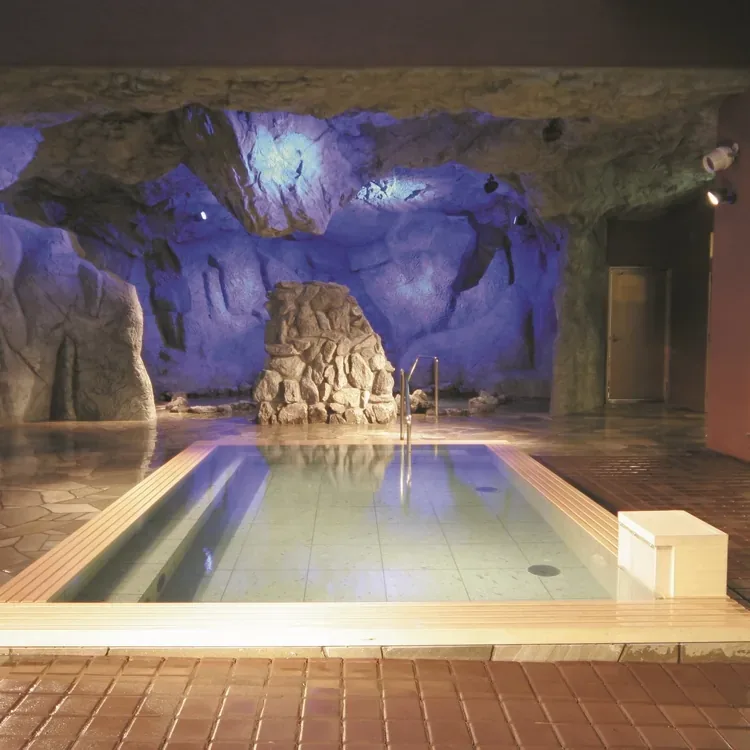
The baths themselves are usually kept at around 40–42 °C (104–108 °F). Some are indoors, some outside. An outdoor bath is called a rotenburo, and sitting in hot water while snow falls around you is something many visitors remember for years.
Onsen, sento and super sento
- Onsen: a bath using natural hot spring water. Found in resort towns, traditional inns (ryokan) and city bathhouses.
- Sento: a neighbourhood public bathhouse with heated tap water. Cheaper, local and full of character. The etiquette is the same.
- Super sento: a large modern bath complex with many different baths, saunas, restaurants and rest areas. Great for a long afternoon.
Step by step
- Shoes off. Leave them in the lockers or shelves at the entrance.
- Find the right side. Baths are separated by sex. Look for 男 (men) and 女 (women) on the curtains. Many places use blue curtains for men and red for women, but read the sign, as some swap sides on different days.
- Undress fully in the changing room. Put your clothes in a basket or locker. Take only your small towel into the bath area.
- Wash at the showers. Sit on the little stool, wash your whole body with soap and rinse it all off. This is the most important rule.
- Get in slowly. The water is hot. Lower yourself in gradually.
- Soak, rest, repeat. Stay a few minutes at a time, then sit on the edge to cool off. Move between baths if there are several.
- Dry off before the changing room. Wipe yourself down with your small towel so you don't drip on the floor.
The rules
- No swimsuits. Everyone is naked. It's normal, and nobody looks.
- Wash before you soak. The bath is for soaking, not cleaning.
- The small towel stays out of the water. Fold it on your head or leave it at the edge.
- Tie up long hair so it doesn't touch the water.
- No swimming, splashing or diving. Keep it calm and quiet.
- No phones or cameras in the bathing area.
- Don't bathe after drinking alcohol, and drink water during a long visit.
Coming from a sauna culture where you wear a swimsuit? Our guide to what to wear in a sauna compares customs around the world.
Tattoos
Tattoos have long been linked with organised crime in Japan, and many onsen and sento still have a "no tattoos" sign at the door. Attitudes are changing, especially with more visitors, and a growing number of places now welcome tattooed guests or allow small tattoos that you cover with a skin-coloured sticker.
If you have a tattoo, check the venue's website or ask at the desk before you pay. A private bath (kashikiri-buro), which you can book for yourself, is another easy option.
Saunas at onsen
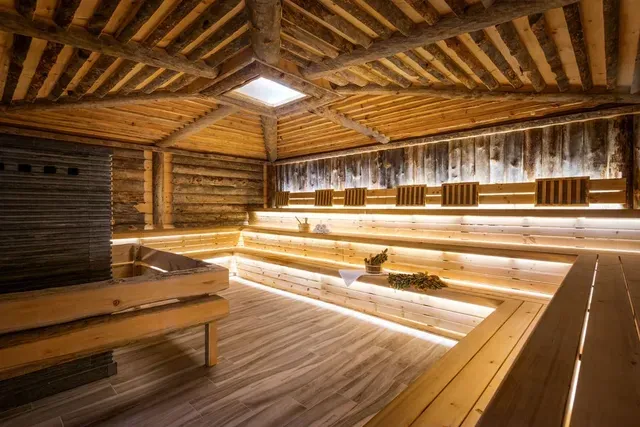
Most larger onsen and super sento have a sauna, usually hot and dry, plus a cold bath called a mizuburo. Japan has a huge sauna culture, and the routine of sauna, cold bath and rest has its own word: totonou, the calm, light-headed feeling of being completely relaxed. The order is the same as in Finland. Read how long to stay in a sauna for timings and sauna temperature for what to expect.
Is it good for you?
Soaking in hot water relaxes your muscles, warms you through and is wonderful for stress. Many onsen list the conditions their water is traditionally said to help, from aches to skin problems. Some of these are based more on tradition than research, but the relaxation is real.
Hot water does strain the heart and lower blood pressure. Get out slowly, sit down if you feel light-headed, and ask your doctor first if you're pregnant or have a heart condition.
This guide is general information, not medical advice.
Where to find an onsen
Find My Sauna lists 41 onsen. These cities have the most:
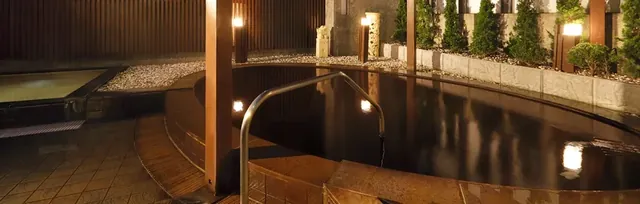
森林公園温泉 きよら
Sapporo · Onsen with sauna
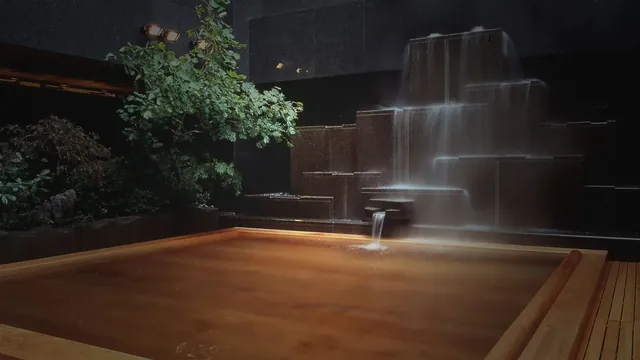
すすきの天然温泉 湯香郷
Sapporo · Onsen in Susukino
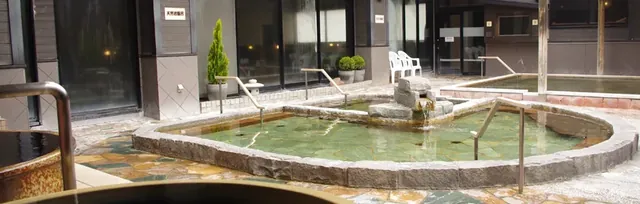
新琴似温泉 壱乃湯
Sapporo · Onsen with sauna
Frequently asked questions
Do you have to be naked in an onsen?
Yes. Swimsuits are not allowed in public onsen baths. If that is not for you, book a private bath.
Can you go to an onsen with tattoos?
Some onsen still refuse tattooed guests, while others allow them or ask you to cover small tattoos. Check before you go.
What is the small towel for?
For washing and for covering yourself while you walk around. It never goes in the bath water.
How long should you stay in an onsen?
Soak for a few minutes at a time, then cool off on the edge. Many people stay an hour or more in total.
What is the difference between an onsen and a sento?
An onsen uses natural hot spring water. A sento is a public bathhouse that uses heated tap water. The etiquette is the same.