Infrared sauna side effects and who should avoid them
 By the Find My Sauna team·
Updated ·
7 min read
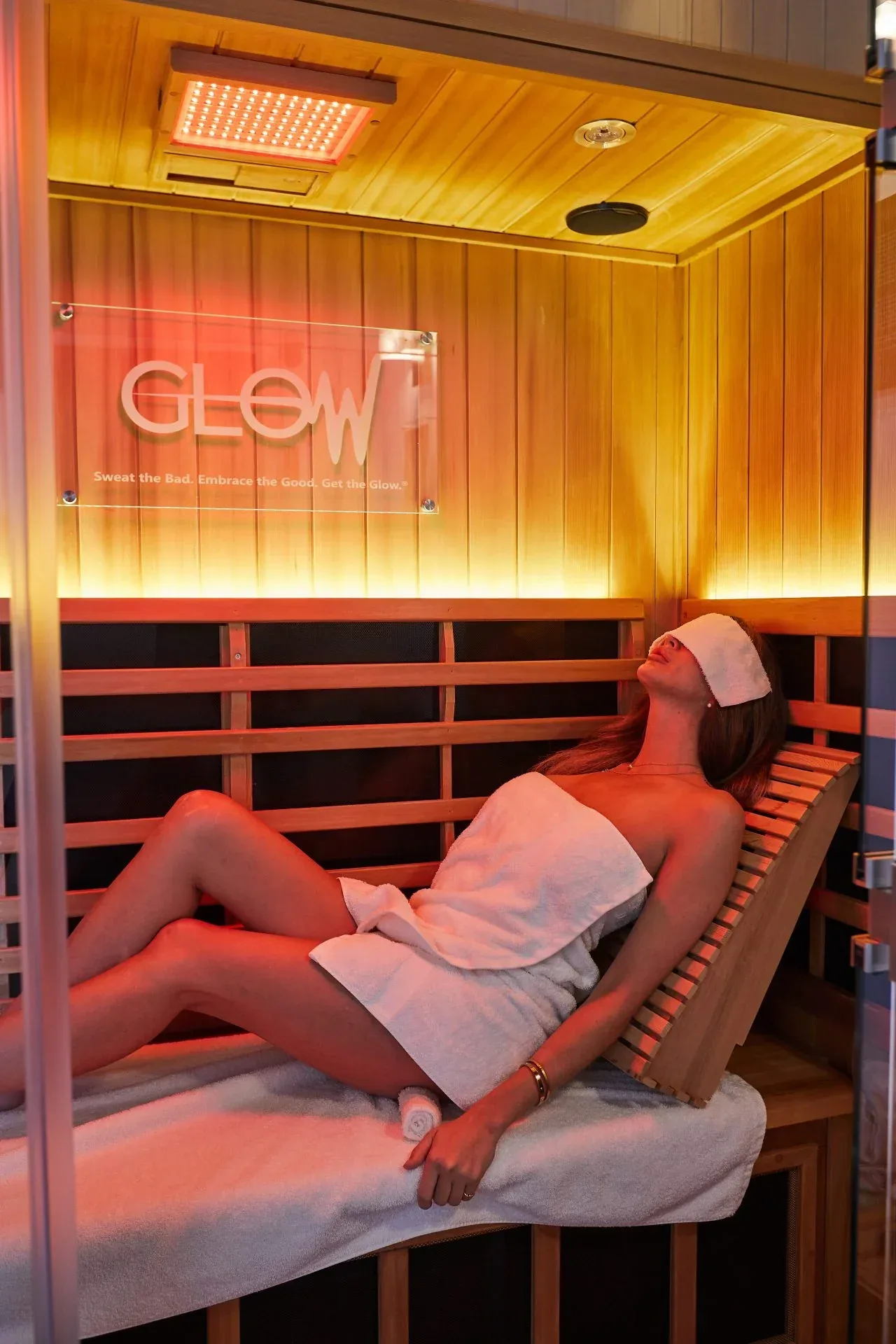
An infrared sauna feels gentler than a hot Finnish sauna, and that's a big part of the appeal. It still heats your body, though, and nearly every side effect comes from that heat. Most are mild and easy to avoid. A few groups of people should ask a doctor before they book.
The short answer
The usual side effects of an infrared sauna are the same as for any sauna: thirst and dehydration, feeling dizzy or faint when you stand up, a headache, and red or itchy skin. They tend to be mild and pass once you cool down and drink something. Ask a doctor first if you're pregnant, have a heart condition or low blood pressure, take medicine that affects sweating or blood pressure, or have a pacemaker or other implanted device. There's no good evidence that the electromagnetic fields from the heaters harm you.
Why side effects happen
An infrared sauna warms you mainly with infrared light from panels in the walls, while the air stays at around 45–60 °C (113–140 °F). Our guide to what an infrared sauna is explains how that works. Your skin warms up, your core temperature creeps up, your heart beats faster and you sweat. It's the same response your body has in a Finnish sauna, only slower.
Because the room feels mild, people tend to stay in longer, often 30 minutes or more, and can lose as much fluid as in a much hotter room. For the upside, read infrared sauna benefits. This guide is about the downside.
Dehydration, dizziness and headaches
In a 1976 study of 60 adults in a Finnish-style sauna, people lost an average of about 450 g of sweat in 20 minutes, and some lost far more. A long infrared session can cost you a similar amount.
Signs you've lost too much are the ones the NHS lists for dehydration: thirst, a dry mouth, a headache, tiredness, feeling light-headed, and dark yellow pee later in the day. Drink a glass of water before you go in and another afterwards. Our guide to staying hydrated in the sauna goes into how much.
Dizziness when you stand up is the other common complaint. Heat widens the blood vessels in your skin, so your blood pressure dips, and when you get up quickly less blood reaches your head for a few seconds. Sit up for a minute before you stand.

Overheating
In a Finnish sauna, the hot air on your face tells you when you've had enough. In a milder infrared cabin it can be easier to stay in too long. The signs of heat exhaustion, according to the NHS, are a headache, dizziness, feeling sick, heavy sweating with pale clammy skin, cramps and intense thirst.
If you notice any of them, get out, cool down and drink water. If you don't feel better within half an hour, or someone becomes confused or stops sweating, treat it as heatstroke and call an ambulance. Our sauna safety rules cover this in more detail.
Skin reactions
- Flushing. Almost everyone comes out pink. It's extra blood flow to the skin and fades as you cool down.
- Heat rash. Heavy sweating can block sweat glands and cause small, itchy, prickly spots, which usually clear within a few days.
- Rosacea and eczema. Heat can trigger rosacea flare-ups, and sweat makes eczema itch for some people. Try a short, cooler session first.
- Mottled skin from repeated heat. Doctors call it erythema ab igne: a net-like brown or red pattern from months of mild heat on the same patch of skin, usually from heaters, hot water bottles or laptops. We found no published case from an infrared sauna, but it's a reason not to sit with the same spot against a panel every day.
Medicines that change how you handle heat
The US Centers for Disease Control and Prevention (CDC) lists medicines that make heat harder to handle, including:
- Diuretics (water tablets), which can dehydrate you and dull your thirst.
- Blood pressure medicines, including ACE inhibitors, beta blockers and calcium channel blockers, which can lower your blood pressure further and make fainting more likely. Beta blockers can also reduce sweating.
- Some antidepressants and antipsychotics, which can affect sweating and temperature control.
- Antihistamines that make you drowsy, such as diphenhydramine, which reduce sweating.
Don't stop any medicine on your own. Ask your doctor or pharmacist whether a sauna is a good idea.

Pacemakers, implants and devices
One manufacturer, Sunlighten, says the magnets used to build its cabins can interrupt the pacing of a pacemaker, and tells anyone with one to talk to their doctor. If you have a pacemaker or implanted defibrillator, ask your cardiologist and check the device's own guidance before you go in.
For metal pins, plates and artificial joints, the same company says metal generally reflects infrared rather than heating up, but still advises asking a doctor first. Stop if you feel pain or warmth around an implant. Devices you wear on your body, like insulin pumps and glucose monitors, have their own temperature limits in the manual.
Sperm count
Testicles work best a little cooler than the rest of the body. In a 2013 Italian study in Human Reproduction, ten men used a Finnish sauna at 80–90 °C twice a week for three months. Their sperm count and motility fell sharply, then returned to normal within six months of stopping. It was a small study of a hotter sauna, but if you're trying for a baby, it's sensible to cut back.
EMF and radiation worries
Infrared is radiation in the physics sense, but it's the same heat you feel from the sun or a fire. It isn't ionising like X-rays, and it doesn't damage DNA the way UV light can.
The heaters themselves are electrical, so they produce low-frequency magnetic fields, as hairdryers and electric blankets do. In 2002 the World Health Organization's cancer agency classed these fields as "possibly carcinogenic", based on studies linking long-term exposure at home above about 0.3–0.4 microtesla with childhood leukaemia. The WHO says that evidence isn't strong enough to show the fields cause it. Nobody has studied sauna heaters specifically. If it bothers you, the field weakens quickly with distance, so don't press your back against the panels.
Who should be careful
- Pregnancy. Talk to your midwife or doctor first. Our guide to sauna use in pregnancy explains why.
- Heart conditions, low blood pressure or a recent heart attack or stroke. Get medical advice first.
- Conditions that affect sweating, such as multiple sclerosis or diabetes with nerve damage.
- Fever or illness. Wait until you're well.
- Children and older people. They heat up more easily. Keep sessions shorter and cooler.
- After drinking. Alcohol and heat together lower blood pressure further. Skip it.
This guide is general information, not medical advice.
Where to try an infrared sauna
Find My Sauna lists 699 places with an infrared sauna. These cities have the most:

SweatHouz
Boston · Infrared cabins

Melt Well
New Orleans · Private infrared rooms

SWTHZ Seaboard Station
Raleigh · Private infrared rooms
Frequently asked questions
Can an infrared sauna be harmful?
For most healthy adults it is safe. The main risks are dehydration, fainting and overheating, mostly from staying in too long or not drinking enough. People who are pregnant, have heart problems or take certain medicines should ask a doctor first.
Why do I feel sick or dizzy after an infrared sauna?
Usually because you have lost fluid and your blood pressure has dipped in the heat. Sit down somewhere cool, drink water and get up slowly. Next time, try a shorter or cooler session.
Is it safe to use an infrared sauna every day?
Many people do, and there is no evidence that daily use harms healthy adults, though long-term studies of infrared saunas are lacking. Drink enough water and skip days when you are ill.
Do infrared saunas give off harmful radiation?
Infrared is heat, the same kind you feel from the sun or a fire, and it does not damage DNA. The heaters give off weak low-frequency magnetic fields like other electrical appliances, and no harm from sauna heaters has been shown.
Can you use an infrared sauna with a pacemaker?
Ask your cardiologist first. At least one manufacturer warns that the magnets in its cabins can interfere with pacemakers, and advice differs between devices.