Sauna safety: 10 rules to avoid overheating
 By the Find My Sauna team·
Updated ·
7 min read
For a healthy adult, a sauna is one of the safer things you can do with an evening. Finland, with roughly two million saunas, recorded fewer than 2 sauna deaths per 100,000 people a year between 1990 and 2002. The accidents that do happen follow the same few patterns, and ten simple rules cover most of them.
The short answer
Keep rounds to 10–15 minutes and leave as soon as you feel unwell. Drink water before and after, never use a sauna after drinking alcohol, and don't go alone. Stand up slowly, keep away from the stove and go easy with water on the stones. Skip it when you have a fever, and ask a doctor first if you have a heart condition, are pregnant or take medicine that affects blood pressure. Heat exhaustion (headache, dizziness, nausea, clammy skin) should ease within 30 minutes of cooling down. Confusion or hot, dry skin can mean heatstroke, which is an emergency.
The 10 rules
1. Keep rounds short
Most people do 10–15 minutes at a time, and anything from 5 to 20 is normal. Leave whenever you want to, not when the timer says. It isn't a contest: the World Sauna Championships in Heinola, Finland, were stopped after a finalist died in 2010 at 110 °C. Our guide to how long to stay in a sauna goes into detail.
2. Drink water before and after
You can sweat about half a litre in a 20-minute round. Have a glass of water before you go in and sip between rounds. More in our guide to staying hydrated in the sauna.
3. Never after alcohol
This is the big one. In a Finnish study of sauna deaths from 1990 to 2002, half of the people who died had been drinking. Alcohol lowers your blood pressure on top of the heat, dehydrates you and dulls your sense of when to get out. See sauna and alcohol.
4. Don't go alone
If you faint in a sauna, the heat keeps working on you. Go with someone, or make sure someone knows where you are and checks on you, especially at home. The Finnish researchers who studied sauna deaths put it plainly: never leave someone who's been drinking alone in a sauna.
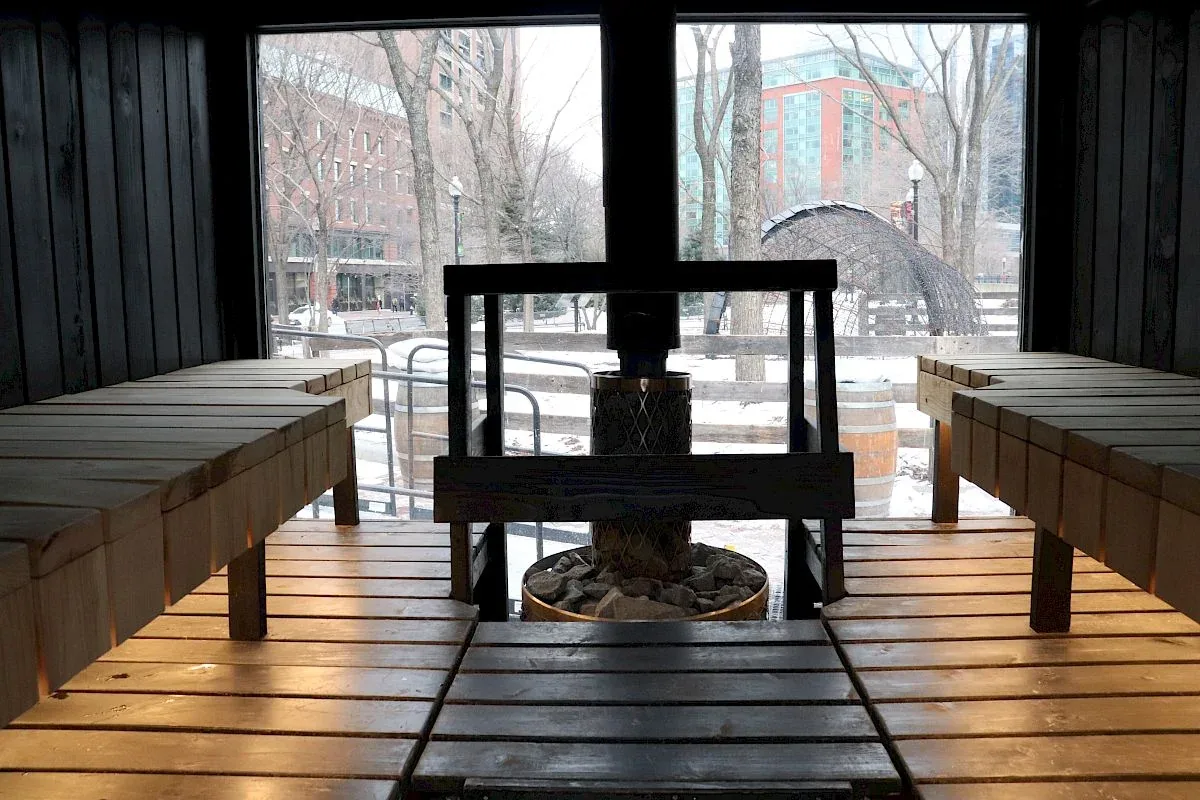
5. Keep away from the stove
Burns are a common sauna injury. A review of seven years of patients at a burns centre in Kuopio, Finland, found about a quarter of all burns treated there were sauna-related, mostly from touching the stove or from steam. Don't lean on the stove guard, watch your step near it and take off metal jewellery, which heats up fast.
6. Go easy with water on the stones
Water on hot stones turns into a blast of steam that feels much hotter than the dry air. Throw small amounts with a ladle, ask the room before you do, and never splash water from a distance or onto anyone sitting close to the stove.
7. Stand up slowly
Heat lowers your blood pressure, and getting up fast from the top bench can make you dizzy or faint. Sit up for a minute before you stand, and hold on to something on the way down.
8. Cool down sensibly
A cool shower or a dip between rounds is traditional and fine for most healthy people. Cold water does put a sudden load on the heart, though, and a review in Mayo Clinic Proceedings notes it can trigger abnormal heart rhythms in people with heart disease. If that's you, cool down gradually. Never plunge into open water alone.
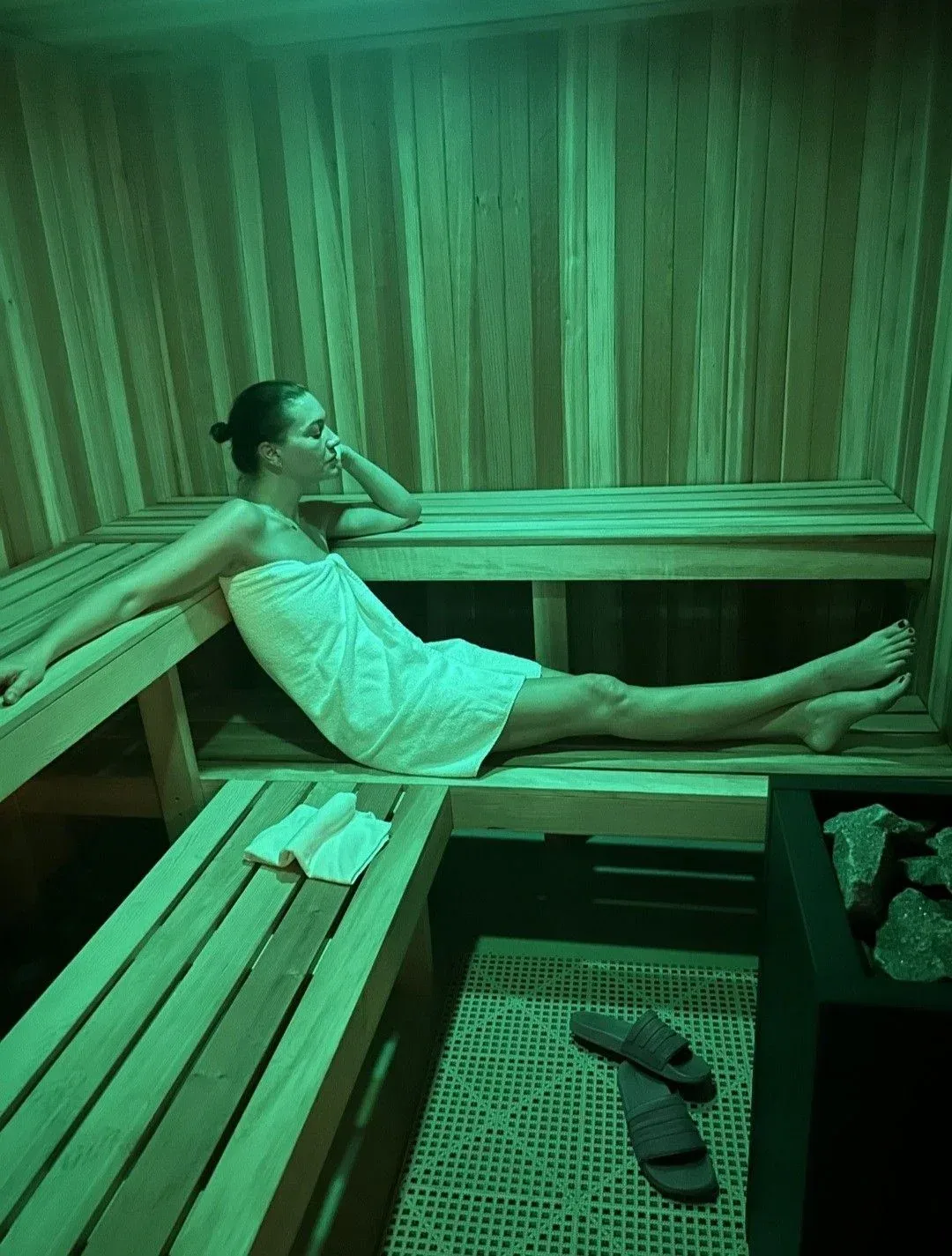
9. Skip it when you're ill
A fever, an infection or a stomach bug are all reasons to stay home. A sauna won't sweat out a cold, and it adds more heat and fluid loss to a body that's already struggling.
10. Check your medicines and conditions
Some medicines make heat harder to handle. The CDC lists diuretics, several blood pressure medicines, some antidepressants and antipsychotics, and drowsy antihistamines among them. Don't stop taking anything, but ask your doctor or pharmacist whether a sauna is OK.
Heat exhaustion or heatstroke?
Overheating comes in two stages, and it matters which one you're looking at.
| Heat exhaustion | Heatstroke | |
|---|---|---|
| Skin | Heavy sweating, pale and clammy | Hot, may be red, and may have stopped sweating |
| Head | Headache, dizziness, irritability | Confusion, lack of coordination, seizure or passing out |
| Body | Nausea, cramps, intense thirst, weakness | Fast heartbeat, fast breathing, body temperature of 39.4 °C (103 °F) or more |
| What to do | Cool down and drink. Should improve within 30 minutes. | Call an ambulance straight away. |
These signs come from the NHS and the US Centers for Disease Control and Prevention. If someone with heat exhaustion isn't better after 30 minutes of cooling and fluids, the NHS says to treat it as heatstroke.
What to do if someone is unwell
- Get them out of the heat and somewhere cool. Lie them down if they're dizzy.
- Take off anything hot or tight, and cool their skin with cool water and fanning. Cold packs wrapped in a cloth under the armpits or on the neck help.
- If they're alert, give them water or a sports drink to sip.
- If they're confused, very drowsy, not sweating, having a seizure or unconscious, call an ambulance and keep cooling them while you wait. If they're unconscious, put them in the recovery position.
Extra rules for home saunas
- Have it installed to the manufacturer's instructions, with the right clearances around the heater.
- For a wood-burning stove, keep the chimney clean and the room ventilated. Carbon monoxide has no smell, and a headache or nausea that eases when you step outside is a warning sign.
- Don't dry towels or clothes on or near the heater.
- Keep children out unless an adult is with them. Our guide to kids and saunas explains the limits.
Who should be careful
Ask a doctor before using a sauna if you have unstable angina, a recent heart attack, uncontrolled high blood pressure, heart failure that isn't well controlled or severe aortic stenosis: these are the conditions doctors most often list as reasons not to. The same goes if you have low blood pressure or faint easily, are pregnant, or have a condition that affects sweating. Many people with stable heart disease use saunas safely, but that's a decision to make with your doctor.
This guide is general information, not medical advice.
Where to find a sauna
Find My Sauna lists 2,616 places with a Finnish-style sauna. These cities have the most:

Kelo Spa & Steam
Boston · Sauna and steam
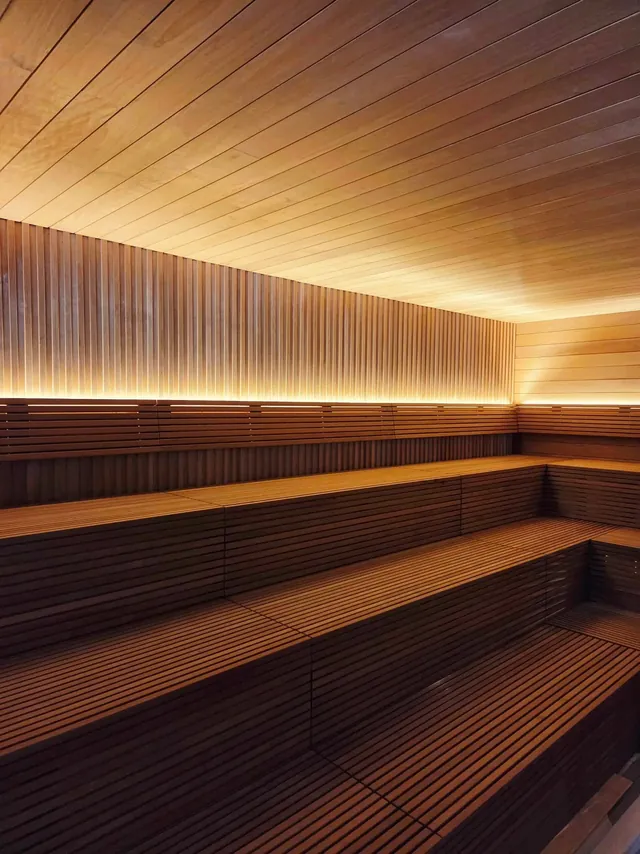
Sauna House Knoxville
Knoxville · Finnish sauna
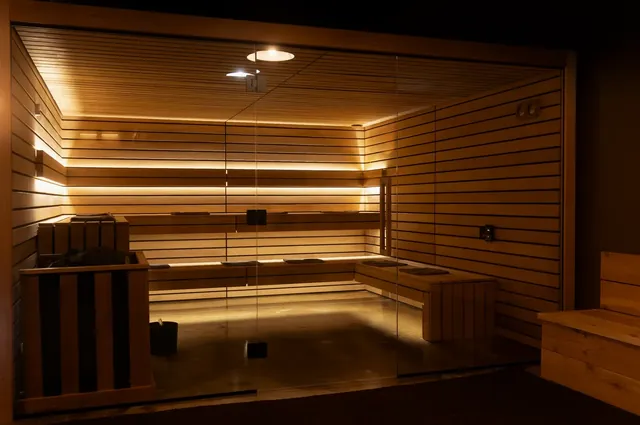
Ritual Community Sauna & Wellness Space
Nashville · Community sauna
Frequently asked questions
How long is it safe to stay in a sauna?
For most healthy adults, 10 to 15 minutes per round is plenty, with a break between rounds. Leave earlier if you feel dizzy, sick or uncomfortable.
What are the signs of overheating in a sauna?
Headache, dizziness, nausea, heavy sweating, cramps and intense thirst are signs of heat exhaustion. Confusion, hot dry skin or passing out can mean heatstroke, which needs an ambulance.
Is it safe to use a sauna alone?
It is safer not to. If you do, tell someone where you are and when you expect to be out, and never go alone after drinking.
Can you die in a sauna?
It is rare. In Finland there were fewer than 2 sauna deaths per 100,000 people a year between 1990 and 2002, and half involved alcohol.
Who should not use a sauna?
People with unstable heart disease, a recent heart attack, uncontrolled blood pressure or a fever, and anyone who has been drinking. Pregnant women and people on certain medicines should ask a doctor first.