Jjimjilbang: a guide to Korean bathhouses
 By the Find My Sauna team·
Updated ·
7 min read
A jjimjilbang is a Korean bathhouse where you can soak, sweat, eat, nap and, if you like, spend the night. Koreans go with friends, partners and family. For a visitor it's one of the cheapest and most relaxing ways to spend an evening in Seoul or Busan.
The short answer
A jjimjilbang has two parts: single-sex bathing areas, where everyone is naked, and a shared area for men and women, where everyone wears the T-shirt and shorts you're given at the door. The shared area has heated rooms at different temperatures, such as salt, red clay, charcoal and a wood-fired kiln, plus an ice room, a snack bar and heated floors for lounging and sleeping. Wash thoroughly before you get into any bath. Among the places we list in Korea, entry costs about 12,000–26,000 won.
What a jjimjilbang is
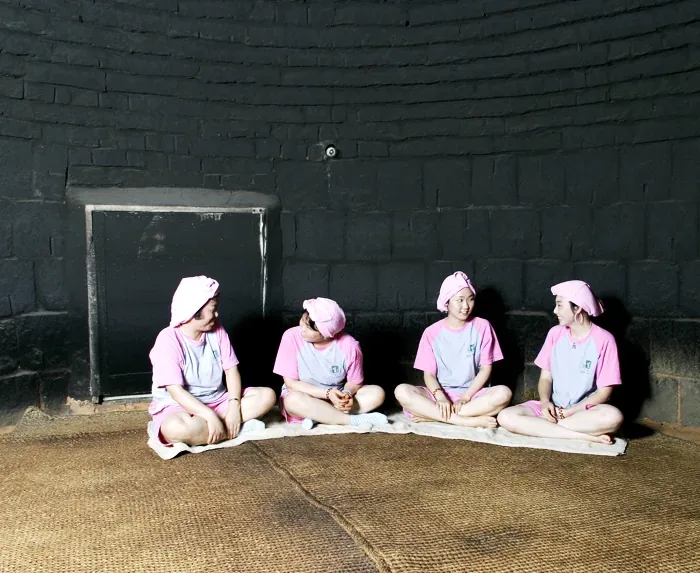
The name comes from jjimjil, heating the body, and bang, room. Large bathhouses with a shared heated area became popular in South Korea in the 1990s, but the idea is much older. Korea's traditional kiln sauna, the hanjeungmak, a dome of stone heated with pine wood, appears in records from the reign of King Sejong in the 15th century.
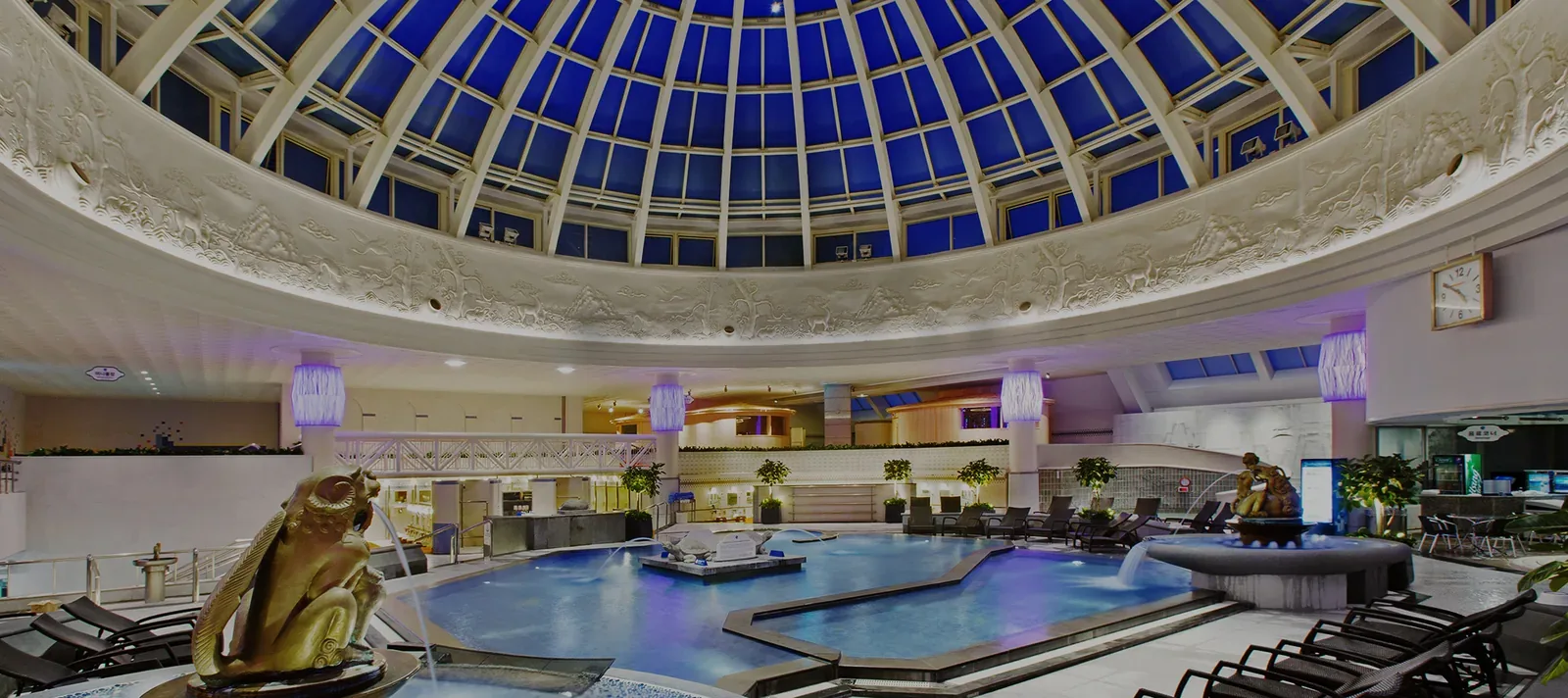
A modern jjimjilbang can be anything from a basement in an office block to a multi-storey complex with pools, a gym, a restaurant and karaoke rooms. Korean communities abroad have built them too, and Los Angeles, New York and Dallas all have big ones.
How a visit works
- Shoes off at the entrance. Put them in a small locker and take the key.
- Pay at the desk. You'll get a locker key on a wristband, a set of clothes and a couple of small towels. Food and extras are often charged to the wristband and paid when you leave.
- Go to your side. Men's and women's changing rooms are separate. Undress fully and lock everything away.
- Wash, then bathe. Shower thoroughly at the seated or standing showers before you get into any pool.
- Put on the uniform and head to the shared floor for the hot rooms, food and rest.
- Go back and forth as often as you like. When you're done, shower, change and settle up at the desk.
The baths
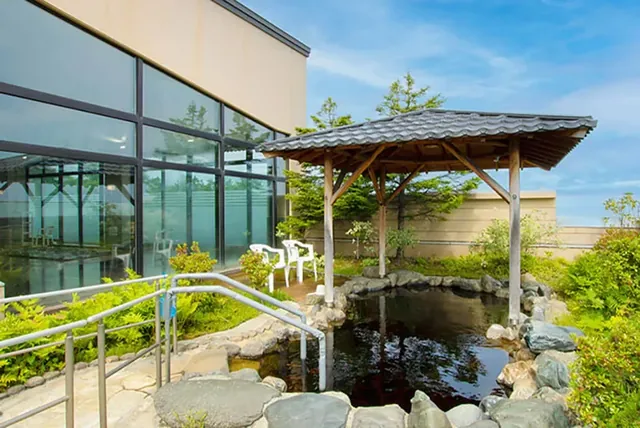
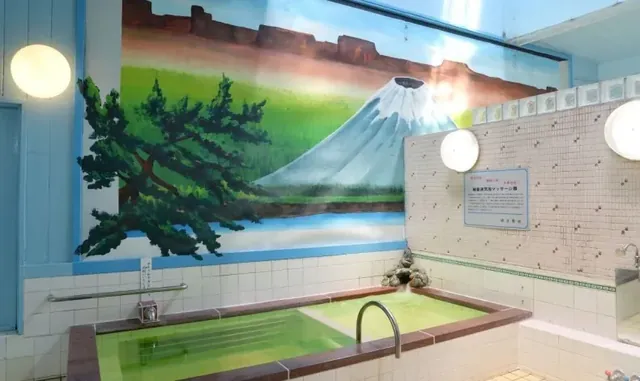
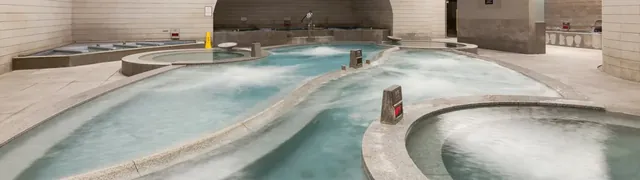
The bathing areas are single-sex and everyone is naked. There's usually a row of hot pools at different temperatures, a cold pool, a steam room and a dry sauna, and often a scrubbing area. Some, like many in Busan and Incheon, fill their pools with hot spring water or sea water pumped from deep underground.
If you're shy, the bath area is the part you can skip: the shared floor is fully clothed. But it's worth trying. Nobody looks, and after a few minutes it feels completely normal. The same goes for Japanese baths, covered in our onsen etiquette guide.
Most bathhouses also offer a body scrub by an attendant with a rough mitt. It's firm, it takes off a startling amount of dead skin, and it's similar to the scrub in a hammam. You pay for it separately.
The hot rooms
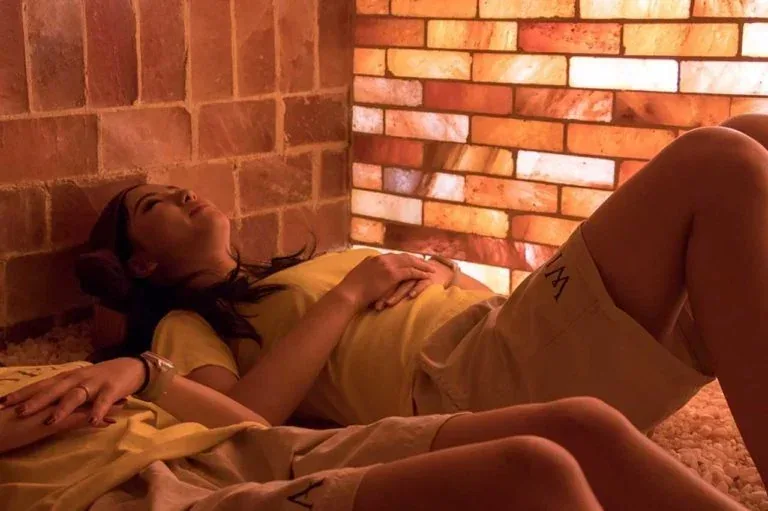
This is what makes a jjimjilbang different from other bathhouses. The shared floor has a set of rooms, each heated to a different temperature and lined with a different material. You go in, lie on a mat or on the warm floor, and come out when you've had enough. The temperature is usually posted at the door.
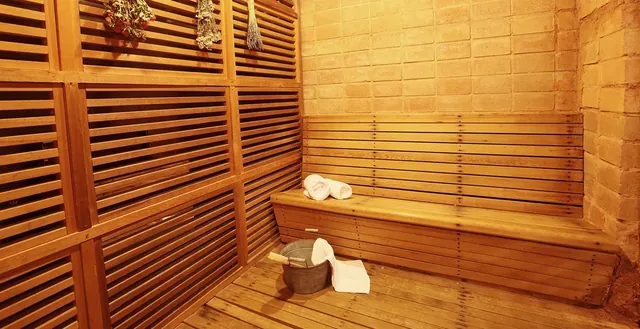
- Bulgama or hanjeungmak: a domed kiln fired with wood. The hottest room, often too hot for more than a few minutes. Cover your skin with a towel.
- Salt room: walls or floors of salt blocks or salt crystals, usually gentler.
- Red clay room (hwangto): warm and dry, popular for long lie-downs.
- Charcoal, jade and stone rooms: each with its own lining and its own claims. The health claims are traditional and not backed by much research, but the rooms are pleasant.
- Ice room: a cold room to cool down in between.
The heat is milder than a Finnish sauna in most rooms, so people stay longer and treat it as rest. Still, drink water and leave when you feel light-headed. Our guide to sauna vs steam room explains how dry and humid heat feel different.
Eggs, sikhye and food
Two snacks are part of the ritual. The first is eggs baked in the heat until the shells turn brown and the whites go firm. The second is sikhye, a cold, sweet rice drink made with malt, usually served with a few grains of rice floating in it. Most places also have a snack bar or a restaurant, and you eat in your uniform.
Staying the night
Many jjimjilbang are open 24 hours, and people do sleep there: workers who missed the last train, friends after a night out, travellers on a budget. You sleep on a mat on the heated floor of a big shared room. It's never fully dark or quiet, so bring earplugs and an eye mask.
Not every jjimjilbang allows overnight stays, and some charge extra after a set number of hours. Check before you plan on it. Keep your phone and valuables in your locker rather than next to you.
Etiquette
- Wash before every bath. Rinse off all the soap. Skipping this is the one thing people will object to.
- Tie up long hair so it stays out of the water.
- No swimsuits in the bathing areas, and no going into the shared area without the uniform.
- Keep your voice down in the hot rooms and the sleeping room.
- No phones in the bathing areas. Leave yours in the locker.
- Leaving means leaving. Once you check out, you usually have to pay again to come back in.
What it costs
Prices vary with the size of the place. Among the jjimjilbang we list in Korea, entry runs from about 12,000 won at Songhaeon in Incheon to 26,000 won for four hours at Spaland, inside the Shinsegae Centum City department store in Busan. Riverside Spa Land in Seoul charges 15,000 won for the jjimjilbang. Scrubs, massages and food are extra. In the United States, a day at a Korean spa costs much more: Wi Spa in Los Angeles charges $40.
Where to find a jjimjilbang
Find My Sauna lists 44 jjimjilbang and Korean-style spas. These cities have the most:
스파레이
Seoul · Women-only, open 24 hours
스파랜드 센텀시티
Busan · Hot springs and 13 heated rooms
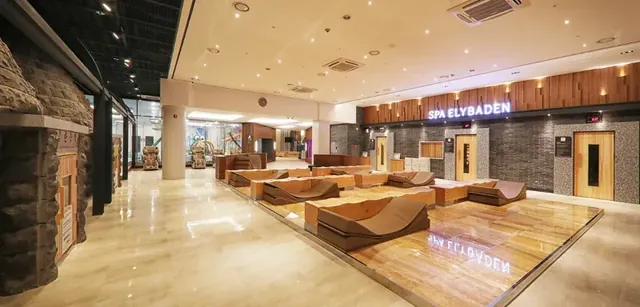
엘리바덴 신월성점
Daegu · Wood-fired kiln and ice room
Frequently asked questions
Do you have to be naked in a jjimjilbang?
Only in the single-sex bathing areas. In the shared areas everyone wears the T-shirt and shorts provided at the door.
Can you sleep in a jjimjilbang?
At many, yes. You sleep on a heated floor in a shared room. Some do not allow overnight stays or charge extra after a set number of hours.
How much does a jjimjilbang cost?
In Korea, roughly 12,000–26,000 won for entry at the places we list. Scrubs, massages and food cost extra.
What do you eat at a jjimjilbang?
Baked eggs and sikhye, a sweet rice drink, are the classics. Most also have a snack bar or restaurant.
Can men and women go together?
Yes. The baths are separate, but the hot rooms, lounges and restaurant are shared, and couples and families spend the day together there.