A short history of the sauna
 By the Find My Sauna team·
Updated ·
7 min read
The sauna started as a hole in a hillside with a fire and some stones. It became the room where Finns were born, washed, healed and laid out after death, then travelled with emigrants to America and with athletes and soldiers to Germany. Here's how it got from there to a garden near you.
The short answer
Nobody knows exactly how old the sauna is. The oldest known Finnish saunas were pits dug into a slope, and for centuries every sauna was a smoke sauna with no chimney. Chimneys and metal stoves came much later, and the first electric heater is usually dated to 1938. Finnish emigrants took saunas to North America from the 1870s onwards, and the 1936 Berlin Olympics and the Second World War helped spread them through Germany. UNESCO recognised Estonia's smoke sauna tradition in 2014 and Finland's sauna culture in 2020.
The earliest saunas
People in many parts of the world have heated stones to sweat. In Mexico and Central America, the temazcal, a small stone or adobe sweat house, was in use long before the Spanish arrived in 1519. In Korea, records from the early 15th century describe kiln saunas used to treat the sick.
The sauna as most of the world knows it comes from Finland. The oldest known Finnish saunas were pits dug into a slope, with a fireplace and a heap of stones, and they seem to have been used as homes in winter as well as for bathing. Later they moved above ground, into small log buildings. How far back this goes is uncertain, and you'll see confident dates online that the evidence doesn't support.
The age of the smoke sauna
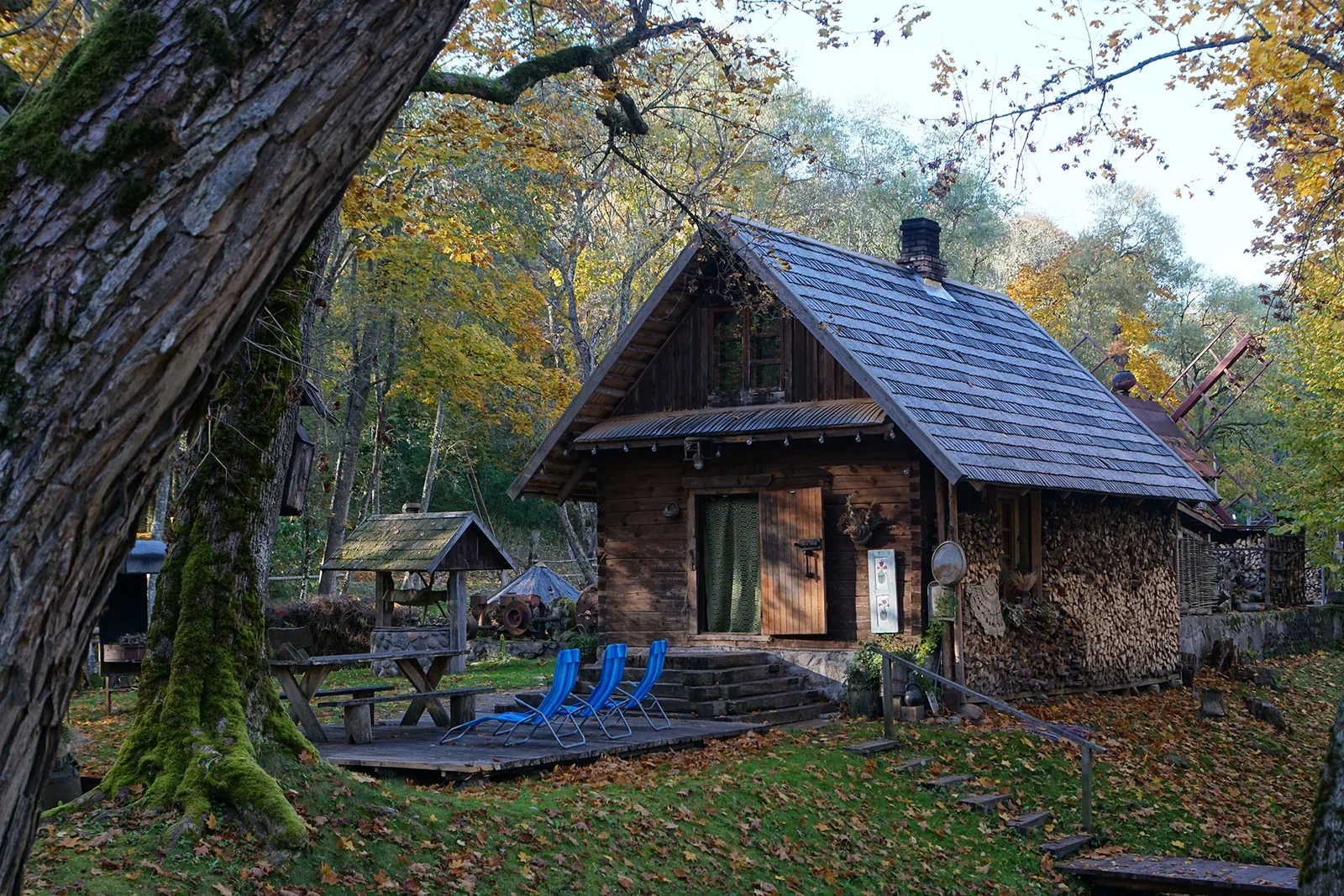
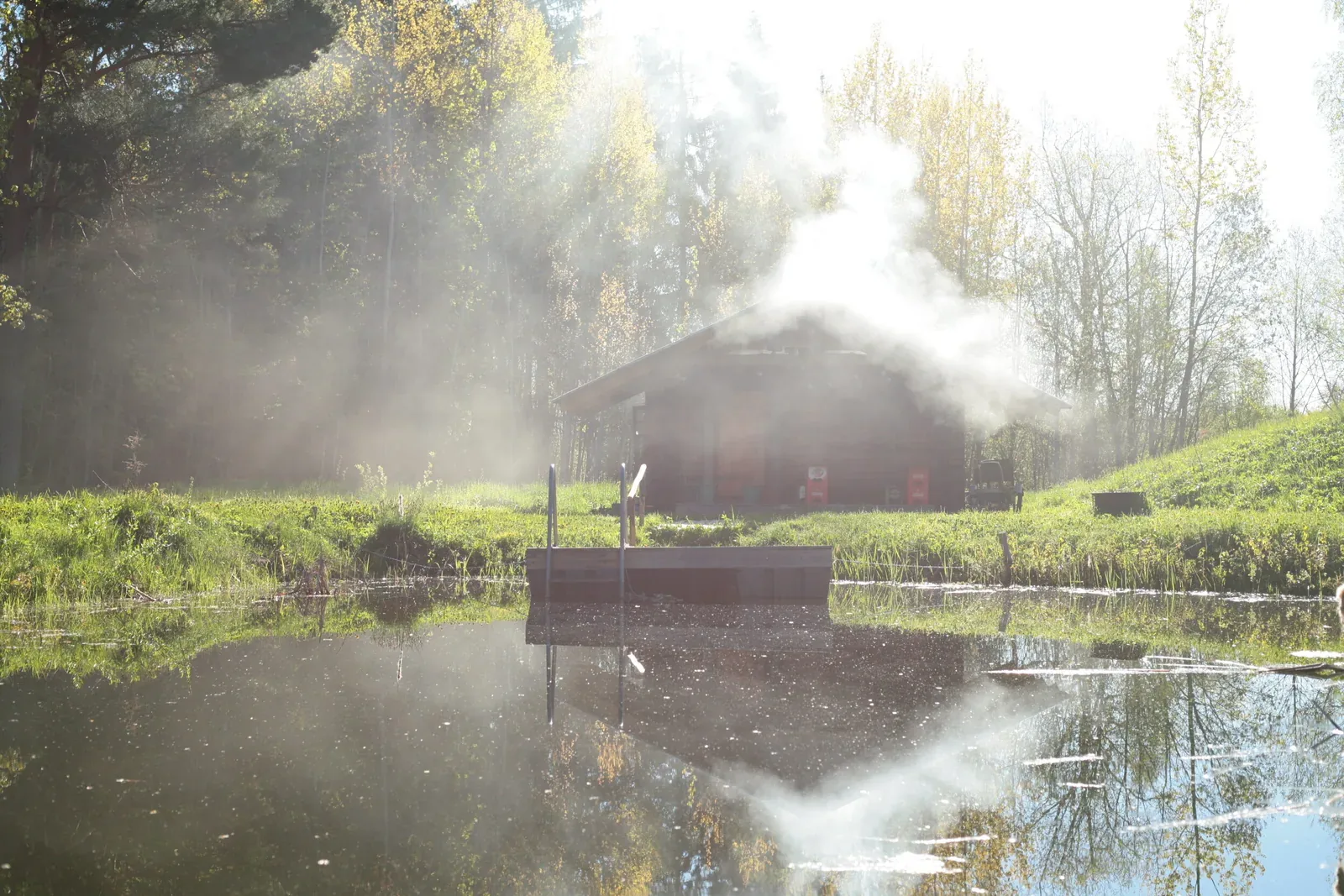
For most of its history, every Finnish sauna was what's now called a smoke sauna, or savusauna. It had no chimney. A fire under a large pile of stones burned for hours while the smoke filled the room and slowly escaped through the door or a hatch. When the stones were hot enough, the fire was let die, the smoke was cleared, and people bathed in the heat stored in the stones. A well-heated smoke sauna stays warm for many hours.
Because it was warm and could be kept very clean, the sauna was used for far more than bathing. Women gave birth there, the sick were treated there, the dead were washed there, and it served for laundry and for curing meat. Smoke saunas are still built and loved today. Our guide to smoke saunas explains how they work.
Chimneys, stoves and electricity
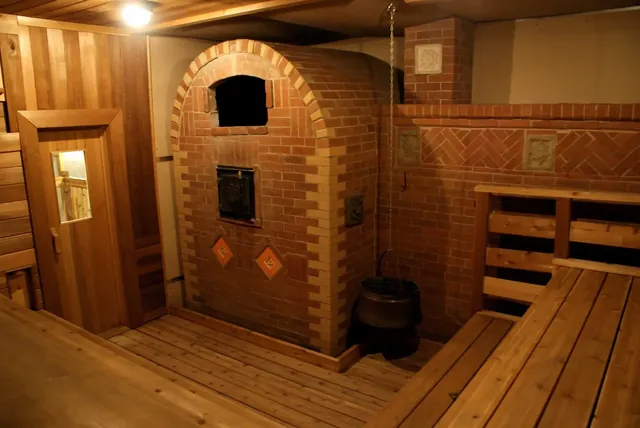
According to the Finnish Sauna Society, chimneys were added to saunas only a couple of centuries ago. During the industrial age, the metal wood-burning stove with a chimney, the kiuas, became common. It heated much faster than a smoke sauna, and you could bathe while the fire was still going.
The first electric sauna heater is usually credited to Metos, a company in Vaasa, in 1938. Electric heaters made it far easier to fit a sauna into a flat or an apartment block. Today Finland has an estimated 3 million or more saunas. Modern heaters and how they compare with wood are covered in our guide to sauna heaters.
Finns take the sauna to North America
The first Finns in North America came with the New Sweden colony on the Delaware River, founded in 1638 by Swedes and Finns. Swedish bathhouses are thought to have been the first saunas there.
The big wave came later. Between the 1870s and the 1920s, hundreds of thousands of Finns emigrated to the United States, many to work in the mines and forests around Lake Superior: Michigan's Upper Peninsula, Minnesota's Iron Range and northern Wisconsin. They built saunas almost everywhere they settled. The geographer Matti Kaups found that around 90% of Finnish farms in this region had a sauna, and Duluth, Minnesota, once had as many as 14 public saunas.
That's why the upper Midwest still has some of North America's deepest sauna roots, and why many of the new community saunas in cities like Minneapolis and Madison feel like a revival rather than an import.
The Olympics, the war and Germany
The 1936 Olympic village outside Berlin had a small sauna by its lake, built to Finnish guidelines. Finland's distance runners had a famous Games, taking all three medals in the 10,000 metres. Leni Riefenstahl's film of the Olympics includes a scene of athletes in a sauna. The story is often told as the moment Germans first met the sauna.
A bigger push came during the Second World War. German soldiers who fought alongside Finland used Finnish saunas and brought the habit home. In the decades after the war, saunas became common in Germany and Austria, and Germany went on to develop its own public sauna culture, including the Aufguss ritual. Our guide to Aufguss explains how it works.
UNESCO recognition
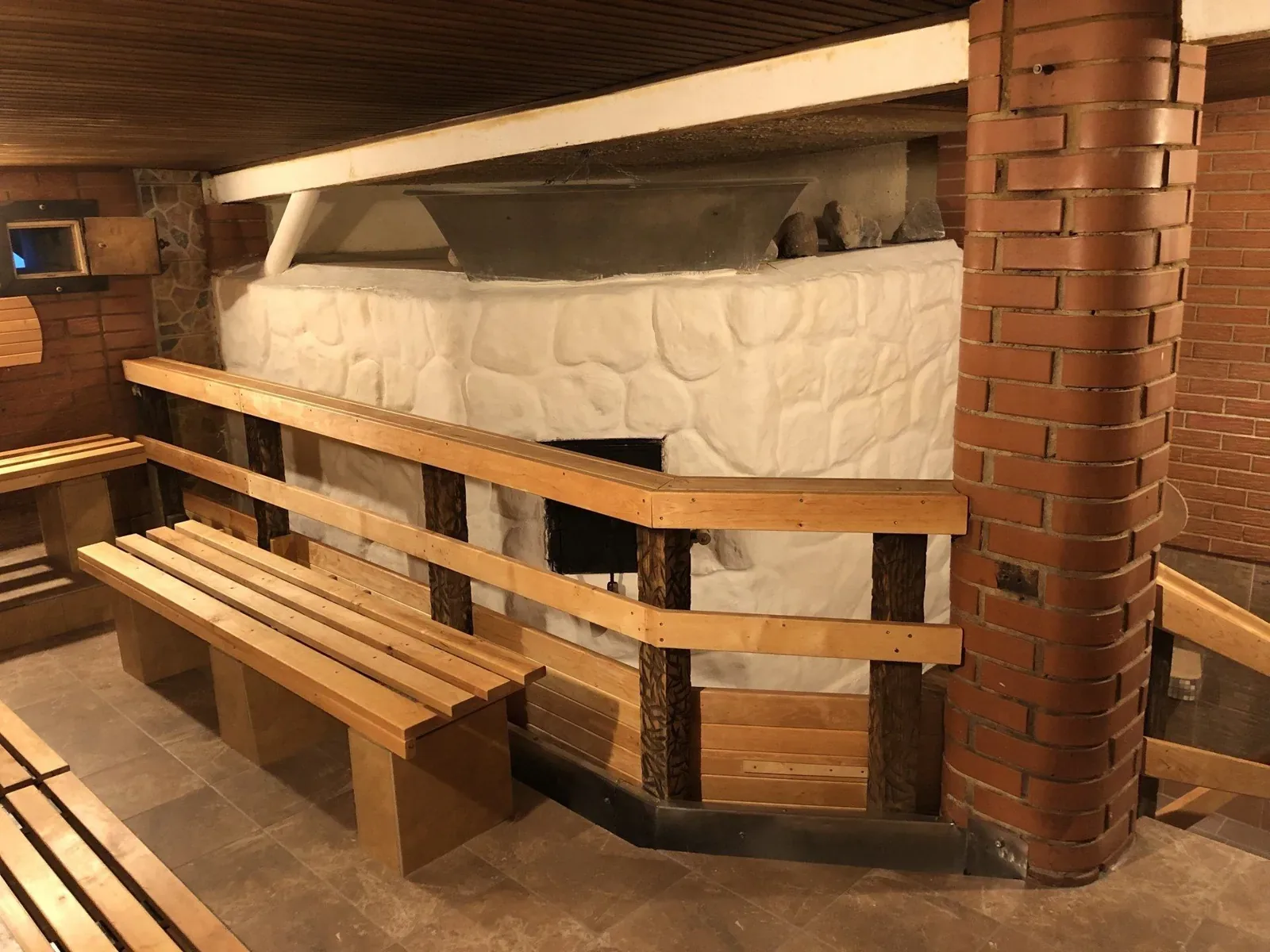
In 2014, UNESCO added the smoke sauna tradition of Võromaa, in south-eastern Estonia, to its list of the intangible cultural heritage of humanity. The listing covers the bathing customs and the skills that go with them: making bath whisks, building and repairing smoke saunas and smoking meat in them.
On 17 December 2020, Finnish sauna culture joined the same list. It was Finland's first entry. UNESCO describes löyly, the steam released when water hits the hot stones, as the heart of the experience, and the Finnish government noted that almost 90% of Finns took a sauna once a week.
The sauna today
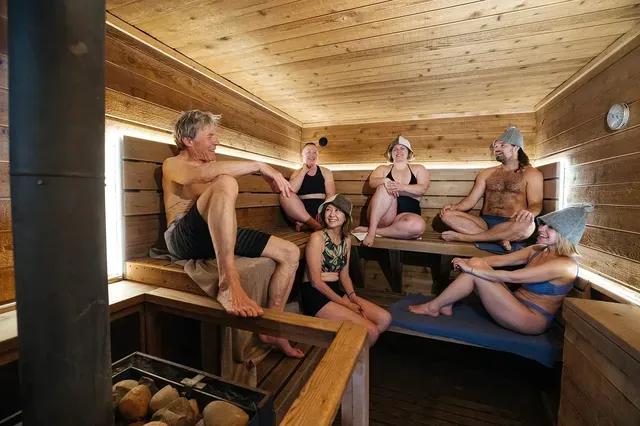
Outside Finland, most people first meet the sauna as an electric room in a gym, spa or hotel, and infrared cabins have become a new branch of the family. Alongside them, the older idea of the sauna as a shared place has come back: community saunas on beaches and harbours, floating saunas, wood-fired saunas in city yards and members' sauna clubs. In many ways, it's a return to how the sauna began, as somewhere people gather around a fire and some hot stones.
Where to feel the history
For the oldest kind of heat, look for a smoke sauna or a traditional wood-fired one. A few to start with:
Jantsu talu suitsusaun
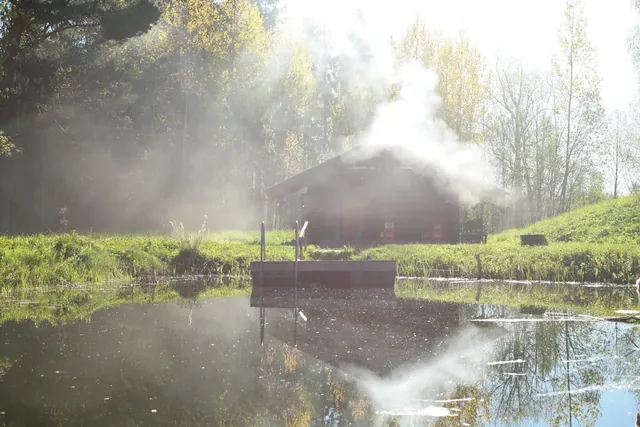
Tartu · Smoke sauna on a farm

Tallinna Saun
Tallinn · Finnish sauna

Pilaitės malūno pirtys
Vilnius · Finnish sauna
Frequently asked questions
Where did the sauna originate?
The sauna as most people know it comes from Finland, where the oldest known saunas were pits dug into a slope. Sweat bathing in heated rooms also developed separately in other parts of the world.
How old is the sauna?
No one knows for certain. Saunas in Finland go back many centuries, but reliable dates for the earliest ones are hard to find.
What was the first type of sauna?
The smoke sauna, which has no chimney. The stones are heated for hours, the smoke is let out, and people bathe in the stored heat.
When was the electric sauna heater invented?
The first electric sauna heater is usually dated to 1938, made by Metos in Vaasa, Finland.
Is the sauna on the UNESCO list?
Yes. Estonia's Võromaa smoke sauna tradition was added in 2014, and Finnish sauna culture in December 2020.