Types of sauna: Finnish, infrared, steam, smoke and more
 By the Find My Sauna team·
Updated ·
6 min read
Book a "sauna" and you might get a cedar cabin at 90 °C, a red-lit infrared box, a marble steam room or a Korean bathhouse with several heated rooms. They're related, but they feel very different. Here's a catalogue of the main kinds, with what to expect from each.
The short answer
The main types are the Finnish sauna (hot, dry air, with water thrown on stones), the smoke sauna (the oldest kind, with no chimney), the infrared sauna (panels that warm your body at lower temperatures), the steam room and the hammam (cooler but soaking wet), and the Russian banya (hot, humid and often with birch whisks). Korea's jjimjilbang and Japan's onsen and sento are bathhouse traditions with their own heated rooms and pools. Salt rooms, barrel saunas and floating saunas are variations on these.
Finnish sauna
Heat: 70–100 °C (158–212 °F), dry air. Heated by: an electric heater or a wood stove topped with stones.
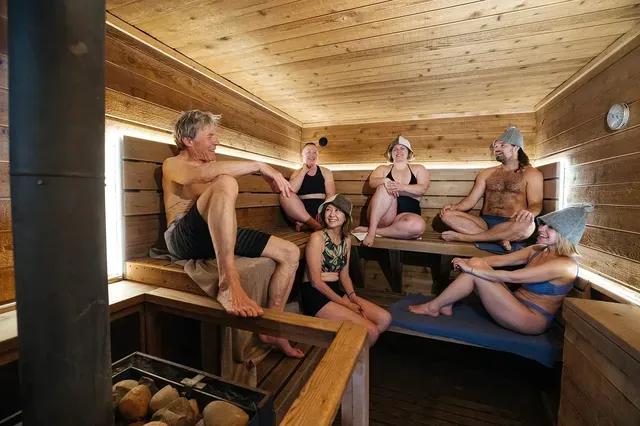
The one most people mean by "sauna". A wooden room with tiered benches, where you sit in dry heat and throw water on the stones for a burst of steam called löyly. Rounds of heat are followed by a cold shower, a plunge or fresh air. Most saunas in gyms, spas, hotels and homes are this kind, usually with an electric heater. Our guide to the Finnish sauna goes into detail.
Smoke sauna
Heat: soft and deep, from a huge mass of stones. Heated by: a wood fire with no chimney.
The original Finnish sauna. A fire burns under a big pile of stones for hours, filling the room with smoke. When the stones are hot, the fire is let die and the smoke cleared, and you bathe in the stored heat. The walls are black with soot and the air smells of woodsmoke. Because one takes hours to heat, a smoke sauna session is an event rather than a quick visit. Estonia's Võromaa smoke sauna tradition is on UNESCO's intangible heritage list. See our guide to smoke saunas.
Infrared sauna
Heat: 45–60 °C (113–140 °F), dry. Heated by: infrared panels in the walls.
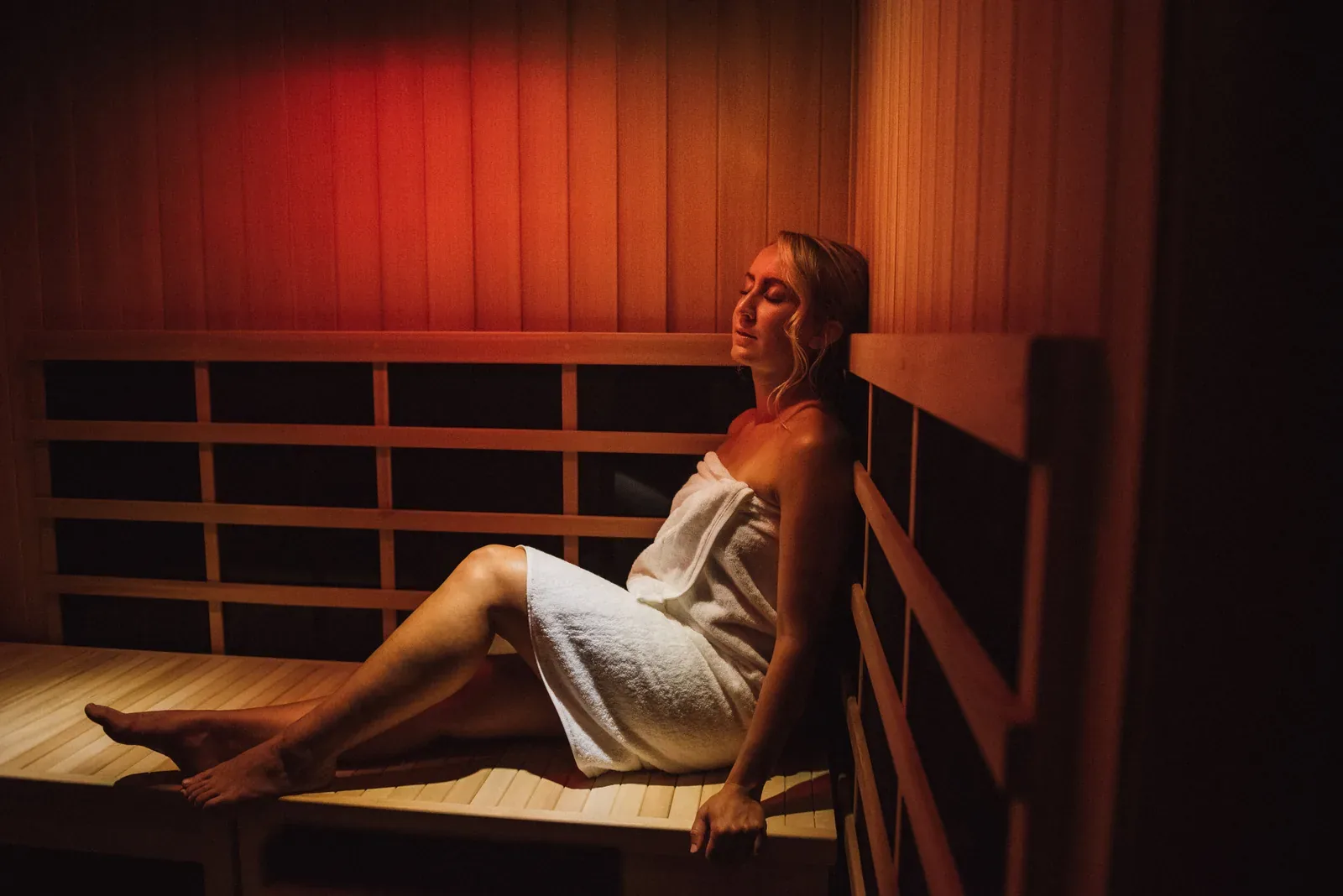
Instead of heating the air, infrared panels warm your skin and body directly, so the room itself is much cooler. There are no stones and no steam. Infrared cabins are common in recovery studios and homes because they're small and use less power. Many people find them easier for longer sessions. The research on them is thinner than for Finnish saunas. Read what is an infrared sauna for how they work.
Steam rooms and hammams
Heat: 40–50 °C (104–122 °F), close to 100% humidity. Heated by: a steam generator.
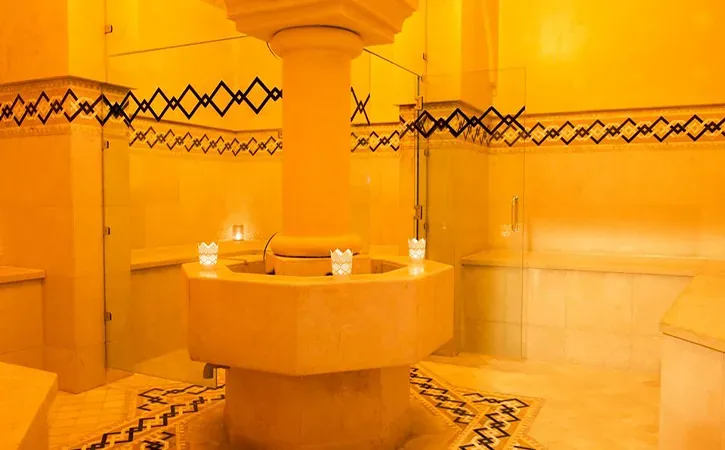
A steam room isn't really a sauna: it's cooler, the walls are tile or stone, and the air is so wet that sweat can't evaporate. It feels hotter than the thermometer says. The hammam is the Middle Eastern and North African version, a bathhouse with steam, warm marble and often a vigorous scrub. Our guide to what a hammam is covers the full ritual.
Russian banya
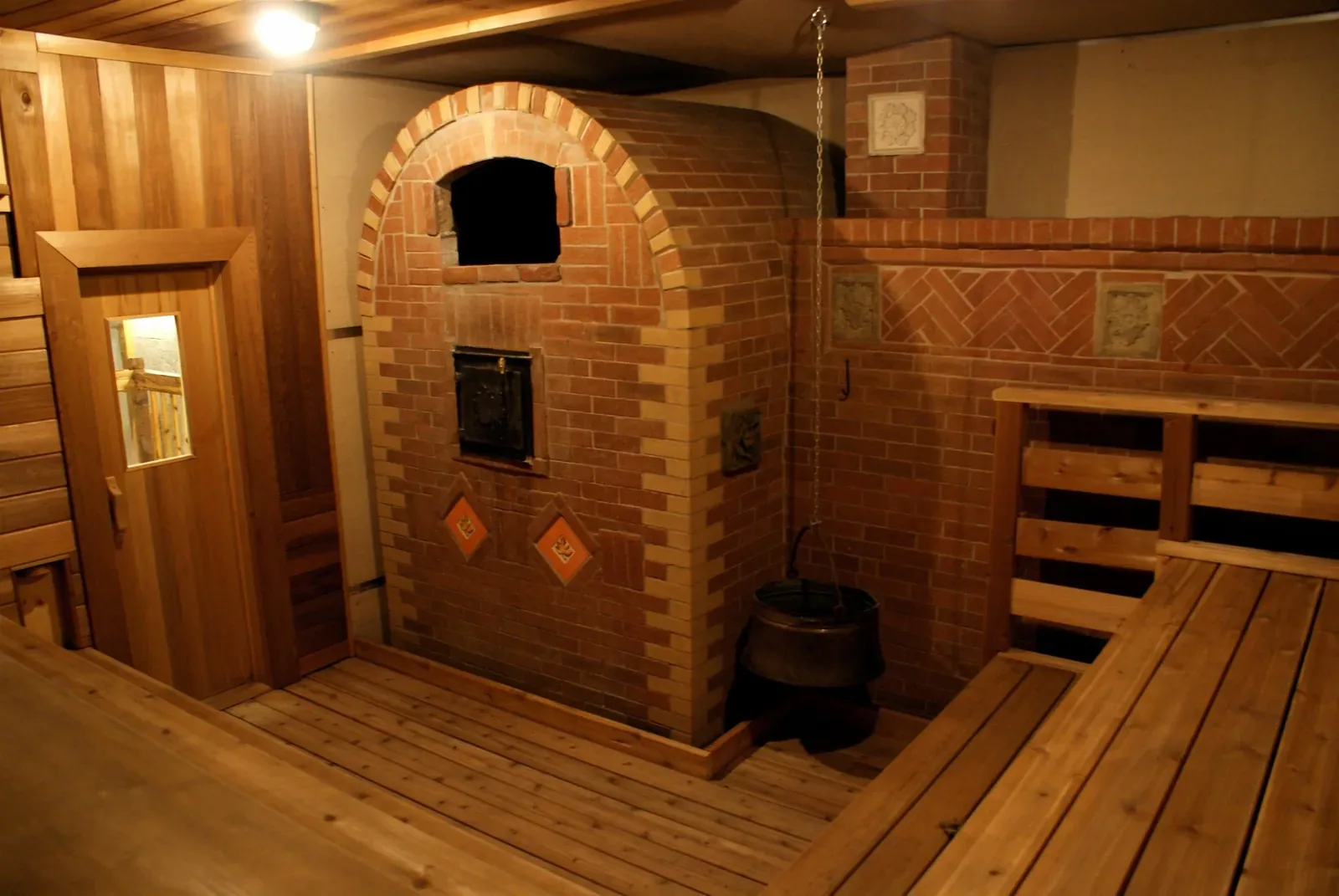
Heat: often 70–90 °C (158–194 °F), with more humidity than a Finnish sauna. Heated by: traditionally a large brick or masonry stove.
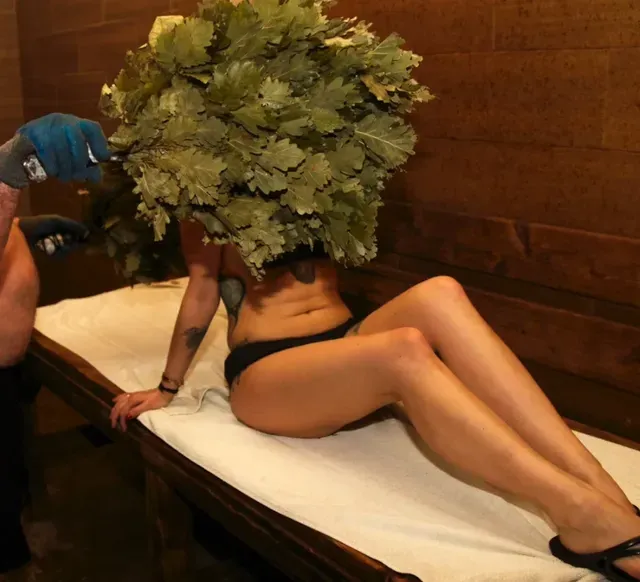
A banya is the Russian bathhouse. The steam room is hot and moist, and the ritual centres on the venik, a bundle of birch or oak branches used to beat and fan the skin. Felt hats are common, and so are long breaks with tea and food between rounds. You'll find banyas across Eastern Europe and the Baltics, and wherever there are Russian and Eastern European communities, from Toronto to Chicago. See our guide to the Russian banya.
Korean and Japanese bathhouses
Jjimjilbang
A Korean bathhouse, often open around the clock. The bathing areas are single-sex and nude, with hot and cold pools. The shared areas, where you wear the T-shirt and shorts the venue provides, have several heated rooms: some lined with salt or clay, some ice-cold, and often a dome-shaped kiln sauna. Kiln saunas go back a long way: Korean records from the early 15th century describe them being used to treat the sick. See our jjimjilbang guide.
Onsen and sento
Japan's tradition is soaking rather than sweating. An onsen is a bath fed by a hot spring: under Japan's Hot Spring Act, the water must come out of the ground at 25 °C or more, or contain certain minerals. A sento is a neighbourhood public bath with heated tap water. Many onsen and sento also have a sauna and a cold bath. Our onsen etiquette guide explains the rules.
Salt rooms
Salt rooms are lined with blocks of salt, often pink Himalayan salt, and lit from behind so the walls glow. Some are heated like a gentle sauna. Others are halotherapy rooms, where fine salt is blown into the air while you sit at room temperature. Claims that salt rooms treat breathing or skin problems rest on limited evidence. Our guide to salt rooms and halotherapy looks at what's known.
Barrel, floating and other outdoor saunas
These are shapes and settings rather than different kinds of heat. Most are Finnish-style saunas with an electric heater or a wood stove.
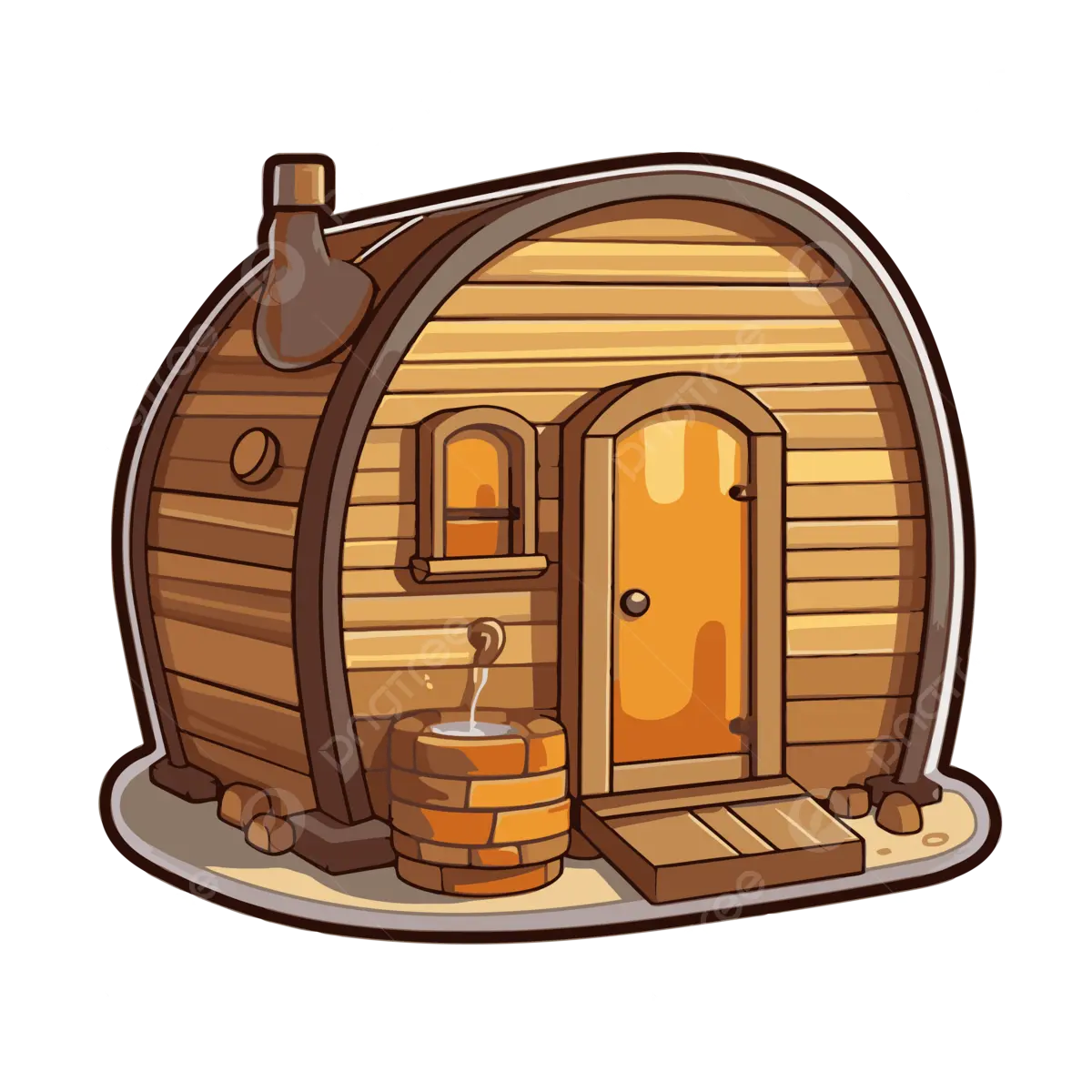
- Barrel saunas are round, built from curved staves, and popular in gardens and at seaside sauna clubs.
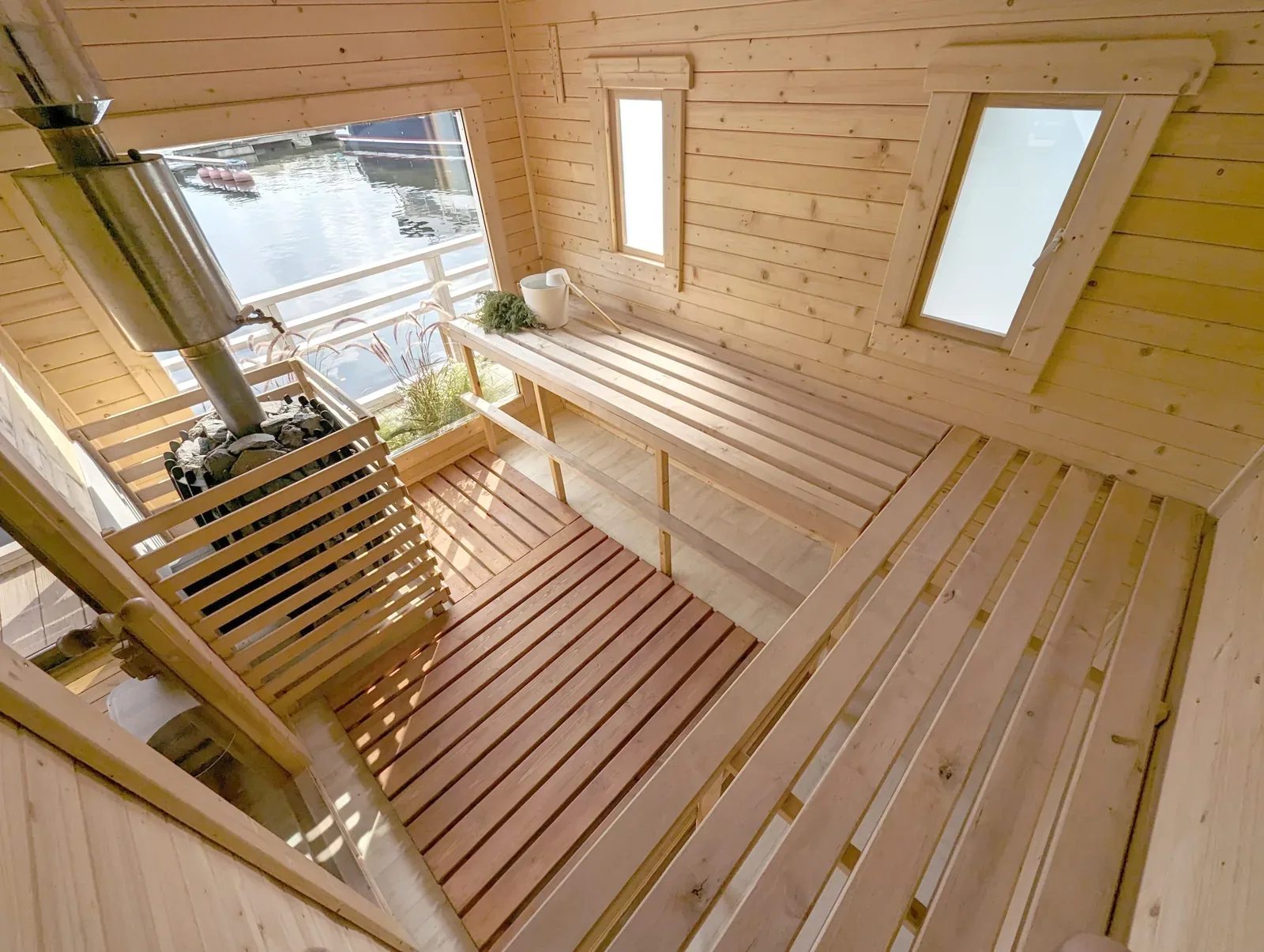
- Floating saunas sit on rafts or pontoons, so you can step from the bench into the water.
- Mobile saunas are built on trailers and travel to beaches, lakes and events.
- Tent saunas pair a portable wood stove with a heat-resistant tent.
Where to try several types
The easiest way to find your favourite is a bathhouse or spa that has several kinds under one roof. A few to start with:
V Spa
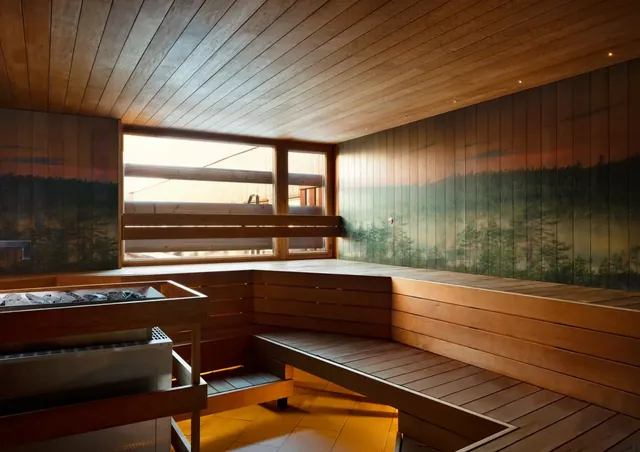
Tartu · Finnish, steam, infrared and more
Art of Sauna
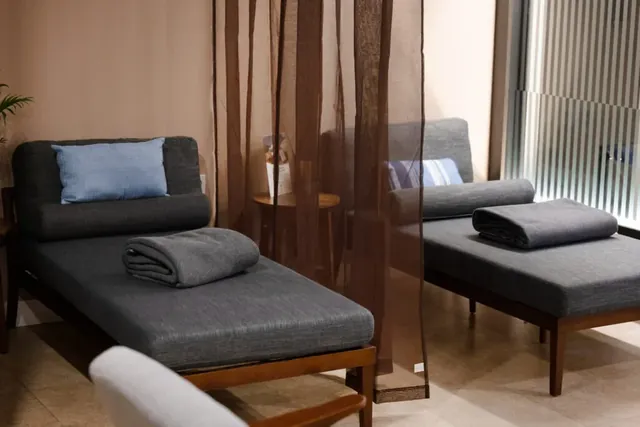
Vancouver · Finnish, steam, banya and salt
Chicago Bath House
Chicago · Banya, Finnish and steam
Frequently asked questions
What are the main types of sauna?
Finnish (dry heat with steam from the stones), smoke, infrared, steam rooms and hammams, and the Russian banya. Bathhouses in Korea and Japan have their own versions.
Which type of sauna is best?
It depends what you like. Finnish saunas have the most research behind them. Infrared is milder and easier for longer sessions. Steam rooms suit people who like moist heat.
Is a steam room a type of sauna?
Not strictly. It is much cooler and wetter, with tiled walls and a steam generator instead of a heater and stones. Many spas have both.
What is the difference between a sauna and a banya?
A banya is usually more humid than a Finnish sauna, and the ritual centres on being whisked with bundles of birch or oak branches.
What is the oldest type of sauna?
The smoke sauna, which has no chimney. For centuries, every Finnish sauna was built this way.