What is a sauna? How it works and how to use one
 By the Find My Sauna team·
Updated ·
6 min read
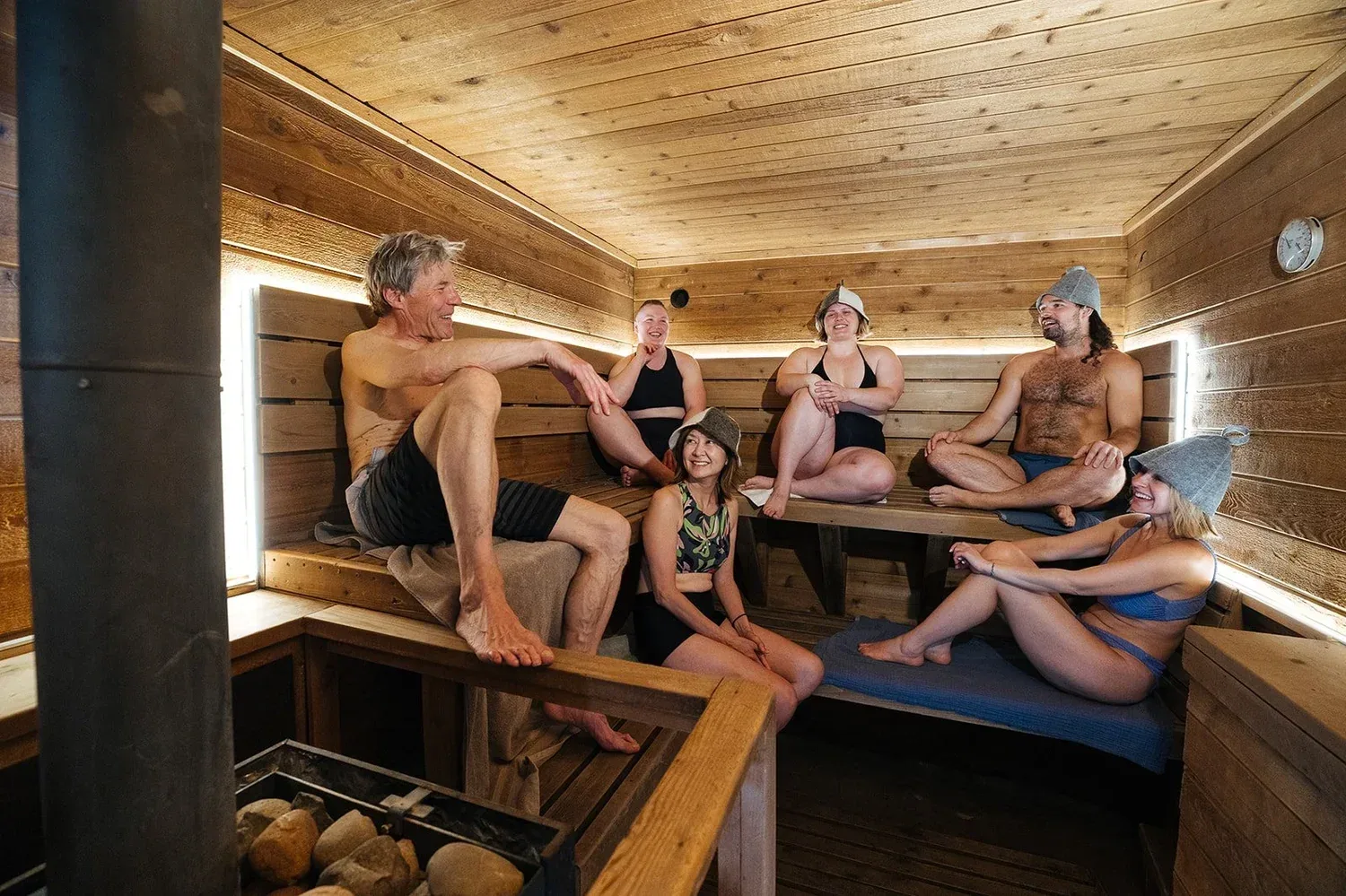
A sauna is a small, very hot wooden room where you sit and sweat, cool off, and go back in again. That's the whole idea, and it's been the same for centuries. This guide covers what a sauna is, how the heat works and how to use one if you've never been.
The short answer
A sauna is a room heated to around 70–100 °C (158–212 °F), usually lined with wood and warmed by a stove with a pile of stones on it. The air is dry, so the heat is bearable, and throwing water on the stones makes a burst of steam called löyly. You sit in it for 8–15 minutes, cool down with a shower or a plunge, rest, and repeat two or three times. The word, and the custom as most of the world knows it, come from Finland.
What a sauna is
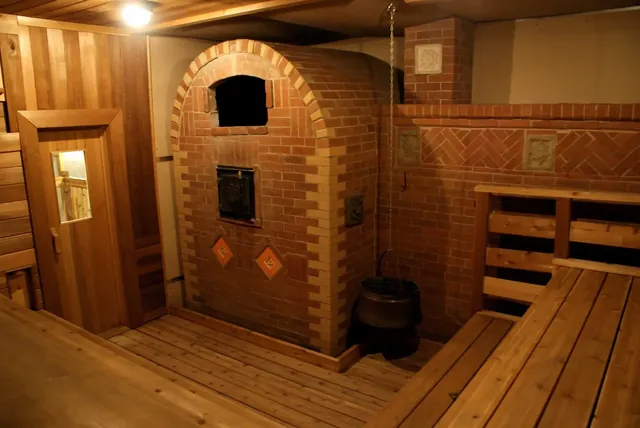
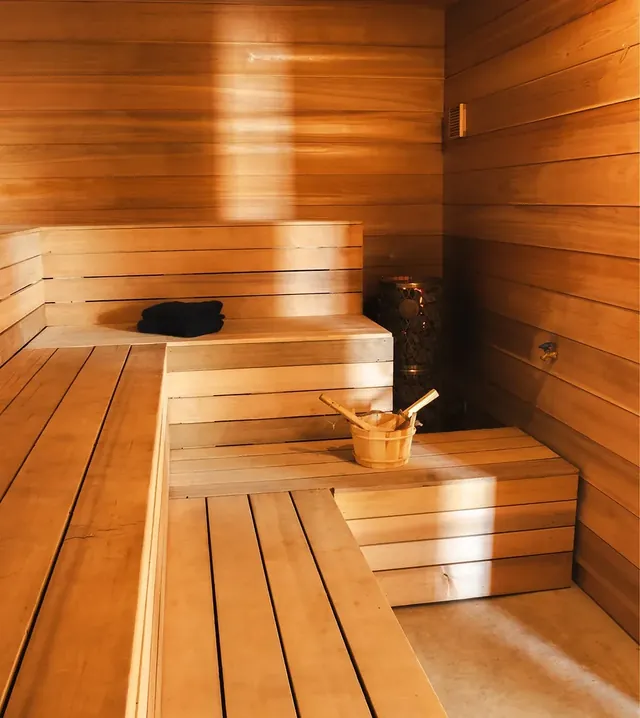
At its simplest, a sauna is a heated room with benches. A traditional one has three parts:
- A heater, called a kiuas in Finnish, that burns wood or uses electricity, with a basket or pile of stones on top.
- Benches, usually at two or three heights. The higher you sit, the hotter it is.
- Wood on the walls and ceiling, often spruce, pine or cedar. Wood stays comfortable to touch in heat that would make metal far too hot.
Most saunas also have somewhere to cool off nearby: a shower, a plunge pool, a lake, the sea or simply the open air. Cooling down between rounds is half the experience.
Where the word comes from
Sauna is a Finnish word for both the bath and the building. Merriam-Webster dates its first known use in English to 1881. Its deeper origin is debated. The Finnish linguist Petri Kallio has argued that it was borrowed from an early Germanic word, an idea some scholars accept.
In Finland, the sauna is part of ordinary life. Estimates put the number of saunas at over 3 million, in a country of about 5.6 million people. In 2020, UNESCO added Finnish sauna culture to its list of the world's intangible cultural heritage. Our short history of the sauna tells the rest of the story.
How the heat works
A sauna works because air carries heat much less well than water. Air at 80 °C feels hot but doesn't burn you the way 80 °C water would. As long as the air stays dry, your sweat evaporates and cools your skin, so you can sit there for several minutes.
In those minutes, your skin warms up, your heart beats faster and your blood vessels widen to carry heat to the surface. You start to sweat, often heavily. When you step out and cool down, all of that reverses. Regulars describe the feeling afterwards as calm and loose, which is a big part of why they keep coming back.
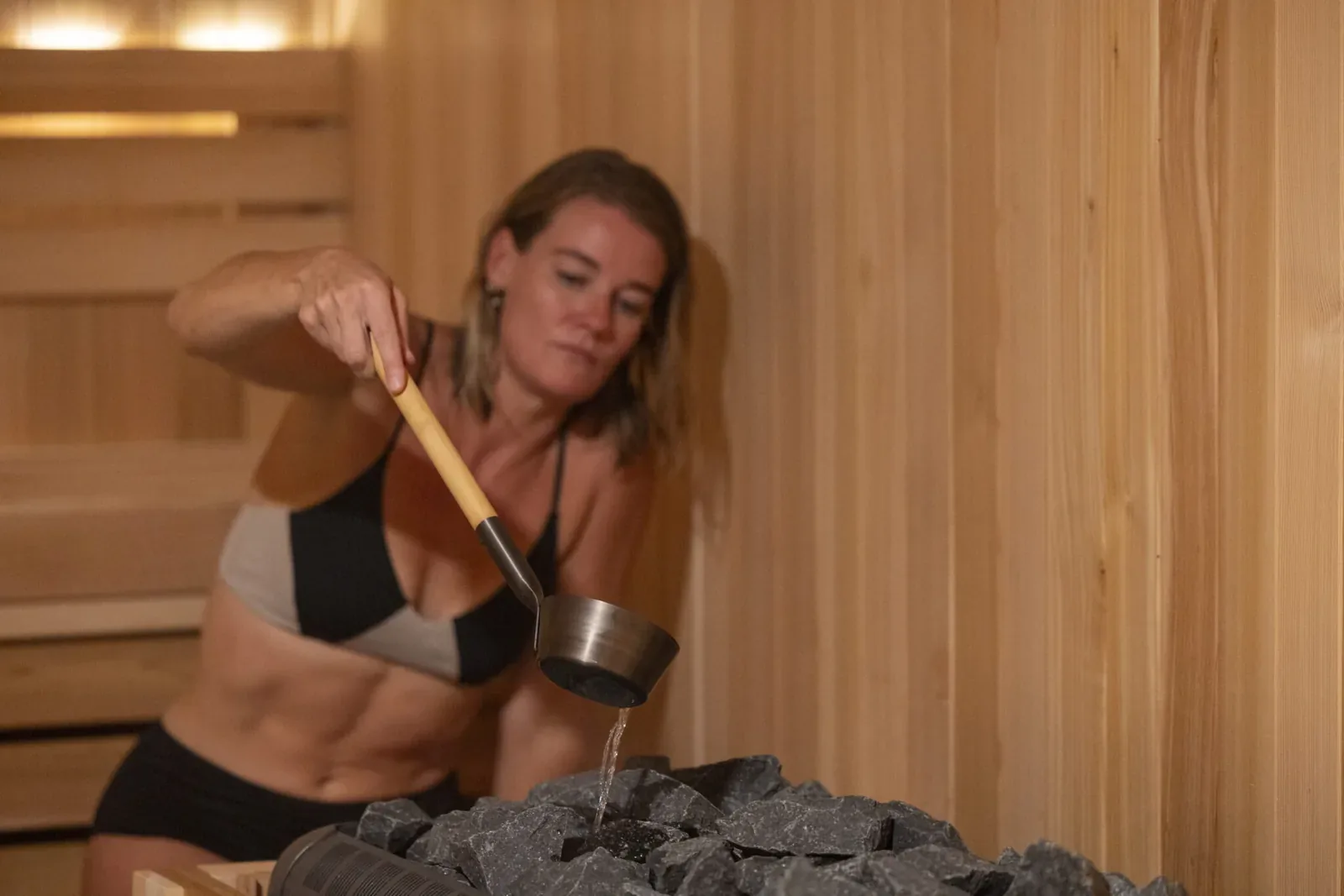
Throwing water on the stones changes the feel without changing the thermometer much. The steam makes the air more humid for a minute, your sweat stops cooling you as well, and the room suddenly feels much hotter. Our guide to sauna temperature explains the numbers.
The main kinds of sauna
When people say sauna, they usually mean a Finnish-style room with a wood or electric heater. You'll also meet:
- Infrared saunas, which use heating panels that warm your body directly at 45–60 °C, with no stones and no steam.
- Smoke saunas, the oldest kind, with no chimney.
- Steam rooms, which are not saunas at all: cooler, but almost 100% humid.
- Banyas and hammams, the Russian and Turkish bathing traditions.
Our guide to types of sauna describes each one.
How to use a sauna
- Shower first. Wash with soap and dry off. Dry skin starts to sweat sooner.
- Take a towel to sit on. No bare skin on the benches. Leave jewellery, glasses and your phone outside.
- Sit low at first. The lower bench is cooler. Move up once you know how you handle the heat.
- Stay 8–15 minutes, or 5–10 on your first visit. Leave earlier if you feel uncomfortable.
- Cool down. A cool shower, a plunge or fresh air.
- Rest. Sit or lie down for 10–20 minutes and drink some water.
- Repeat two or three times, then shower and rest before you get dressed.
For timings by type of sauna, see how long to stay in a sauna. For what to wear, which changes a lot from country to country, see what to wear in a sauna.

Pointers for your first time
- Ask before throwing water. In a shared sauna, check with the others first. One ladle at a time is plenty.
- Keep your voice down. Many saunas are quiet places. Chatting is fine, loud conversation usually isn't.
- Close the door quickly when you come in or go out, so the heat stays in.
- Don't push it. There's no prize for staying longest. Regulars leave when they've had enough, and so should you.
- Eat lightly beforehand. A heavy meal or an empty stomach both make the heat harder.
Who should be careful
For most healthy adults, a sauna is safe when used sensibly. Take extra care, or check with a doctor first, if you:
- have a heart condition, very high or very low blood pressure, or have had a recent heart attack or stroke
- are pregnant
- take medicine that affects blood pressure, heart rate or sweating
- are unwell, especially with a fever
Never use a sauna after drinking alcohol. Children can use a sauna for short spells on a low bench, with an adult. Leave straight away if you feel dizzy, sick or get a headache.
This guide is general information, not medical advice.
Where to try a sauna
Find My Sauna lists 2,616 places with a Finnish-style sauna. These cities have the most:
Sauna Public
Salt Lake City · Finnish sauna

LÖ-LU Nordic Sauna
Columbus · Finnish sauna

ró nordic spa
Edmonton · Finnish sauna
Frequently asked questions
What is a sauna used for?
Mainly relaxation: sitting in the heat, sweating and cooling off. Many people use it after exercise, and in Finland it is part of everyday life for washing and unwinding.
What is the difference between a sauna and a steam room?
A sauna is hot and dry, usually 70–100 °C. A steam room is cooler, around 40–50 °C, but the air is almost completely wet.
How long should you sit in a sauna?
Around 8–15 minutes per round in a traditional sauna, or 5–10 minutes on your first visit. Cool down and rest between rounds.
Do you shower before a sauna?
Yes. Wash and dry off before you go in. It is more hygienic, and dry skin starts to sweat sooner.
What does sauna mean?
It is the Finnish word for the bath and for the room or building where it happens.