Sento: Japan's public bathhouses
 By the Find My Sauna team·
Updated ·
7 min read
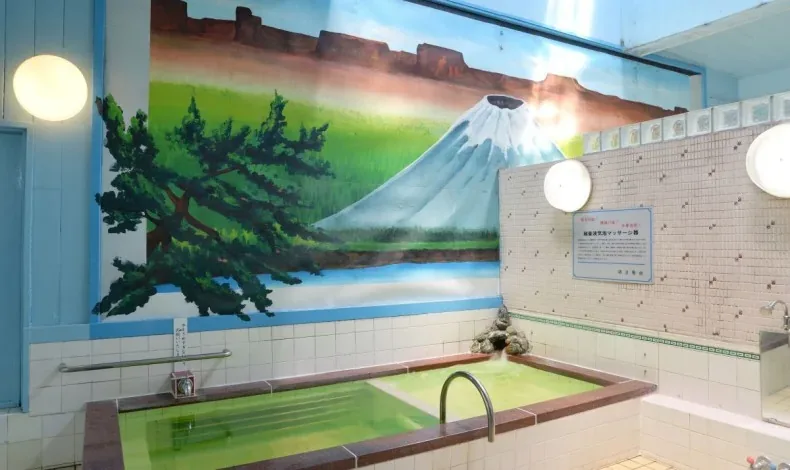
A sento is Japan's neighbourhood public bath: a big, hot tub, a wall painting of Mount Fuji, and regulars who've been coming for decades. A bath costs a few hundred yen, and they're closing one by one, which is a good reason to go soon.
The short answer
A sento is a Japanese public bathhouse that usually uses heated tap water rather than hot spring water, with separate baths for men and women. You pay a small fixed fee, wash at the seated showers, then soak in hot baths, often under a painted mural of Mount Fuji. In Tokyo the adult price is capped by the prefecture and has been ¥600 since 1 August 2026. Many sento now have a sauna and cold bath for a small extra charge. The bathing rules are the same as at an onsen.
What a sento is
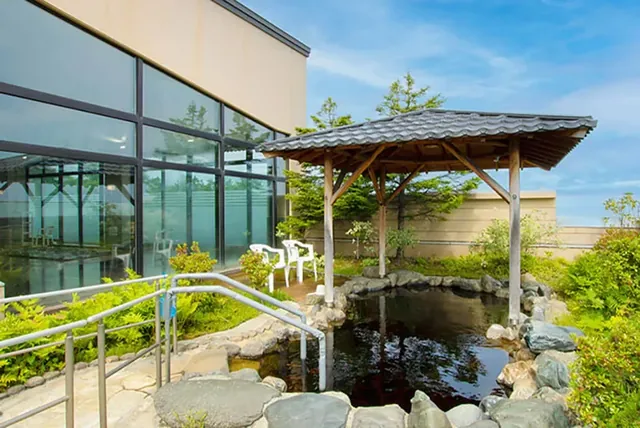
Sento (銭湯) is written with the characters for money and hot water, and the idea is simple: a paid public bath for people who live nearby. Most use ordinary heated water, which is the main difference from an onsen, which has to be fed by a natural hot spring. A few sento do sit on a spring, and some, like the Tokyo bathhouses that call themselves "natural onsen", use both names.
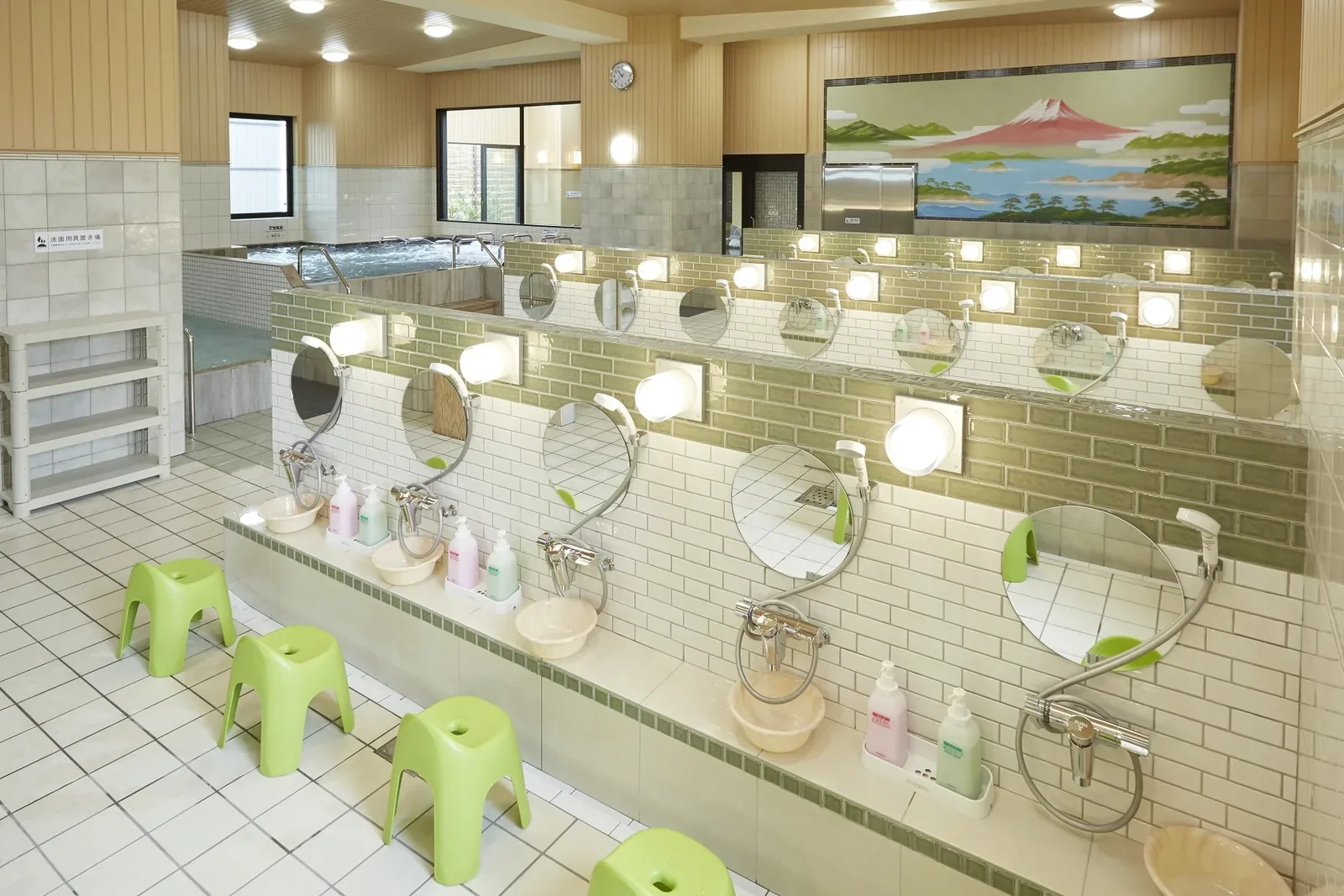
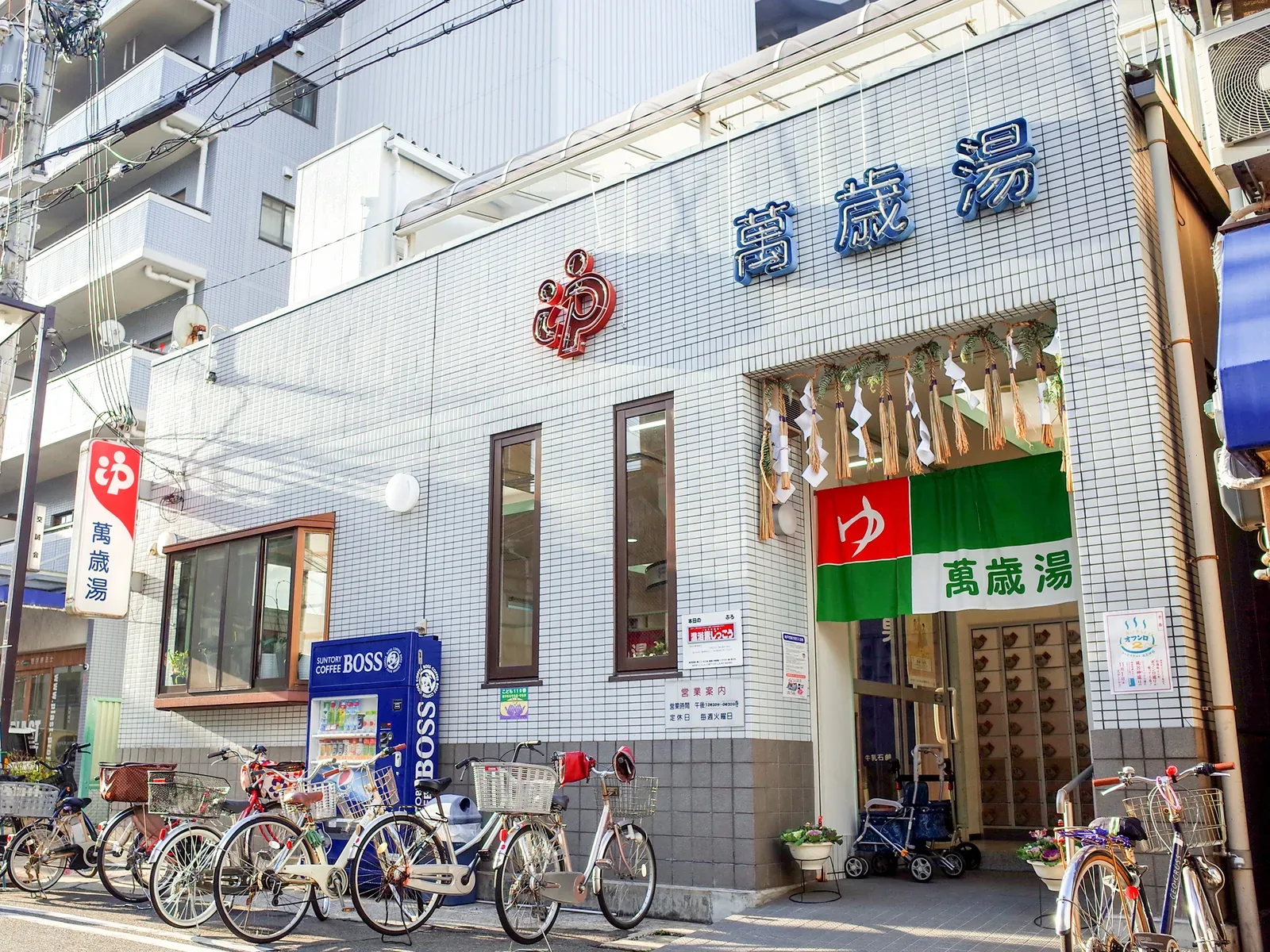
A typical sento has a changing room, a washing area lined with low taps and stools, and two or three tubs: a hot one, a very hot one and often a jet or electric bath. Look for a curtain (noren) with the character ゆ, meaning hot water, over the door. Our guide to onsen etiquette covers how to wash and bathe, and every rule there applies here.
From temples to Edo bathhouses
Bathing in Japan spread with Buddhism, which arrived in the 6th century and taught that bathing was a virtuous act. Temples in Nara, such as Todaiji, had bathhouses and offered free baths to the public. By the late Heian period, Kyoto had bathhouses of its own.
The Tokyo Sento Association traces Edo's first public bath to 1591, the year after Tokugawa Ieyasu arrived, when a man named Ise Yoichi opened one near Zenigame Bridge. Within a few decades, a contemporary account says, there was a bath in every neighbourhood. Edo bathhouses were mixed until the middle of the Meiji era, and taps were only installed in Tokyo's sento in 1927.
Why sento are disappearing
Sento were essential when most homes had no bath. As private bathrooms became normal in Japanese homes, the customers went with them. Sento historian Machida Shinobu puts the peak at around 22,000 bathhouses across Japan in about 1965. By 1996, Ministry of Health figures counted 9,461 ordinary public bathhouses nationwide, and by 2018 just 3,535. Tokyo went from 1,503 to 542 over the same years.
Some of those that survive have reinvented themselves, as you'll see below. If there's an old one near where you're staying, go while you can.
Mount Fuji murals
The big painting on the bathroom wall is the sento's signature. The first painted mural is usually traced to 1912, when the owner of Kikai-yu in Kanda, Tokyo, asked the painter Kawagoe Koshiro to decorate the wall. Mount Fuji became the classic subject, painted in bright blues above the tubs so that you soak with a view.
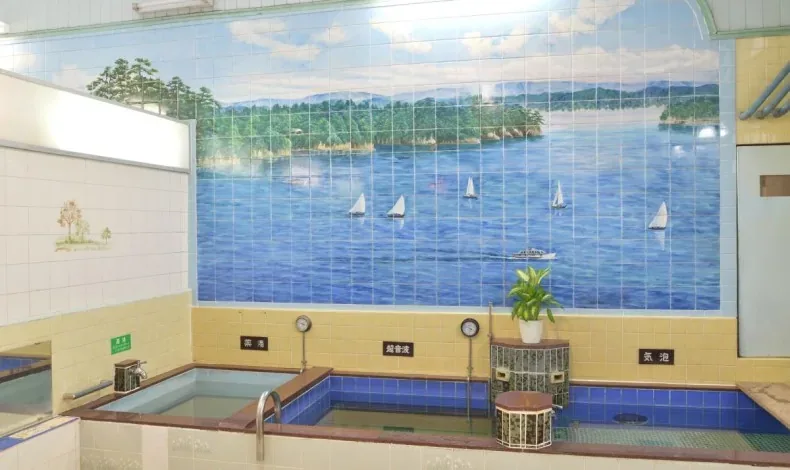
Not every sento has Fuji. Sakai-yu in Niigata has tile murals of the Sado coast, Hotta-yu in Tokyo kept its original tile murals when it was renovated, and Heian-yu in Kyoto calls itself a museum sento for its 7.2-metre painting of Kyoto's festivals.
The neighbourhood bath
For regulars, the sento is part of the day: a soak after work, a chat with the same faces, then home to bed. At Manzai-yu in Kobe, open since 1945, the lobby sells oden and regulars stay for a beer after their bath. Older bathhouses often have a bandai, a raised seat at the entrance where the owner takes your money and can see into both changing rooms. Newer ones have a front desk instead.
Visitors are welcome. You won't be expected to speak Japanese, though a smile, a nod and following what others do go a long way.
Saunas and a new generation
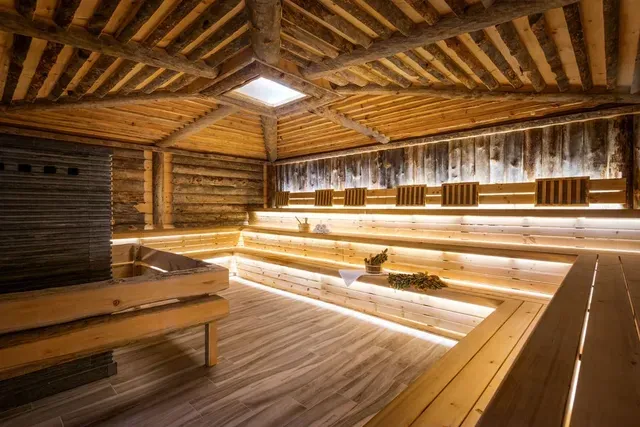
Japan's sauna boom has given many sento a second life. Owners have added saunas and cold baths, and younger people come for the routine of sauna, cold bath and rest, and the calm afterwards that Japanese sauna fans call totonou. In Kyoto, Sauna no Umeyu was revived in 2015 as the first bath run by the Yutonamisha collective, which has since taken over other old bathhouses, including Kamogawa-yu, founded in 1926. Kamogawa-yu's walls are now covered with tiles saved from closed Kyoto sento.
The sauna usually costs extra, and some places limit how long sauna users can stay. If you're used to Finnish saunas, read our guide to sauna temperature: some sento saunas run over 100 °C (212 °F).
What it costs
Sento prices are capped by each prefecture's governor under a price control ordinance from 1946, which sets the maximum basic entry fee. In Tokyo the adult price rose from ¥550 to ¥600 on 1 August 2026, with ¥200 for children aged 6–11 and ¥100 for under-6s. In 2000 it was ¥400.
Elsewhere it's often less. Among the sento we list, entry is ¥550 in Kyoto and Kumamoto and ¥480 at Midori-yu in Niigata. Sauna access is extra: ¥100 at Daifuku-yu in Kumamoto, ¥550 at Kairyou-yu in Tokyo. Towels, soap and shampoo are sold or rented at the desk if you don't bring your own.
How to visit
- Check the opening hours. Most sento open mid-afternoon and close around midnight, and shut one day a week.
- Bring a small towel, soap and shampoo, or buy them there. Some sento provide free toiletries.
- Take off your shoes at the entrance and put them in a shoe locker.
- Pay at the desk or the bandai, adding the sauna if you want it.
- Undress, wash, then soak. Follow the rules in our onsen etiquette guide: wash first, towel out of the water, hair tied up, no swimsuits.
- Check about tattoos first if you have any. Policies vary, and some sento, including Kaieiyu in Tokyo, don't admit tattooed guests.
Where to find a sento
Find My Sauna lists 75 sento. These cities have the most:
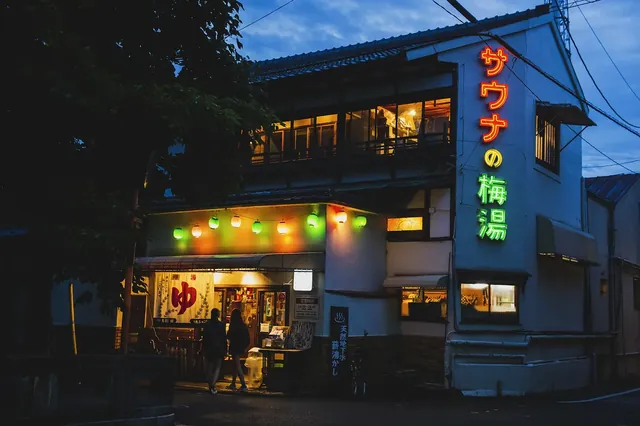
サウナの梅湯
Kyoto · Revived in 2015, with sauna
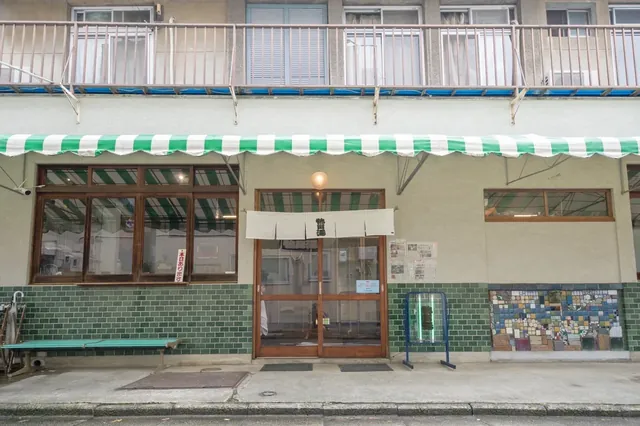
鴨川湯
Kyoto · Firewood-heated, founded 1926
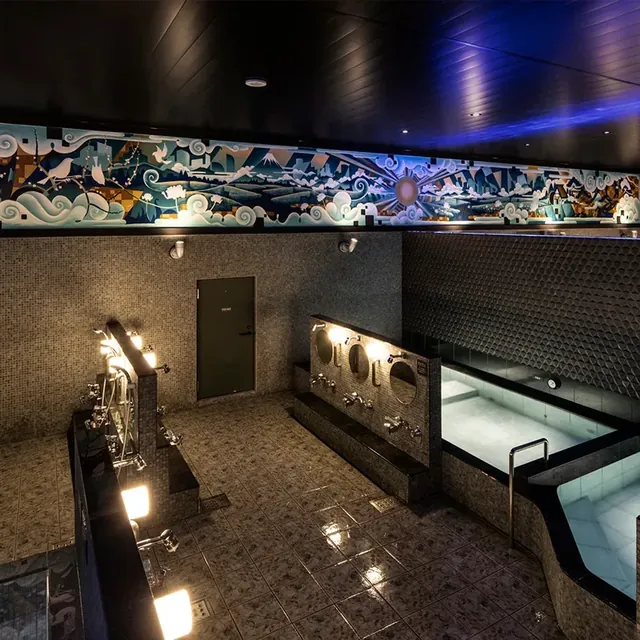
改良湯
Tokyo · Dates from 1916, artist murals
Frequently asked questions
What is the difference between a sento and an onsen?
An onsen uses natural hot spring water. A sento is a public bathhouse that usually uses heated tap water. The etiquette is the same.
How much does a sento cost?
Prices are capped by each prefecture. In Tokyo an adult has paid ¥600 since August 2026. Elsewhere it is often around ¥450–550. Saunas cost extra.
Do you have to be naked in a sento?
Yes. Baths are separated by sex and swimsuits are not allowed.
Why do sento have Mount Fuji paintings?
Large painted murals became a sento tradition in Tokyo in the early 20th century, and Mount Fuji became the most popular subject.
Can tourists go to a sento?
Yes. Visitors are welcome. Learn the washing rules first and check the tattoo policy if you have one.