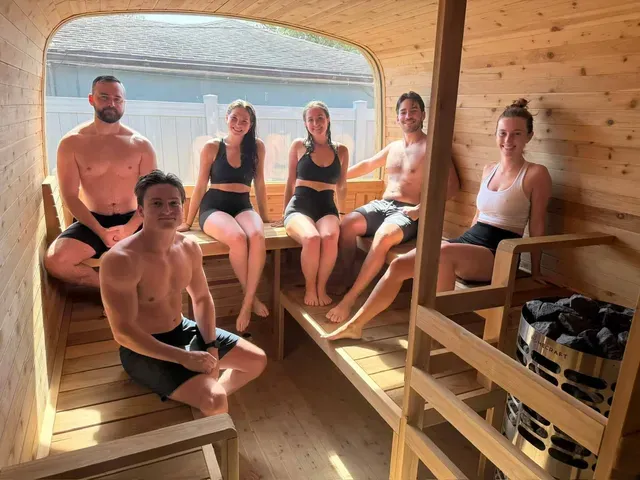
Sauna after a workout: benefits for recovery
 By the Find My Sauna team·
Updated ·
7 min read

Once you've settled on using the sauna after training rather than before (our guide to sauna before or after a workout explains why), the next questions are what it's actually doing for you and how to fit it around the training you do. A runner aiming at a summer marathon needs something different from someone lifting three times a week.
The short answer
A sauna after exercise keeps your body temperature and heart rate up for longer. Done regularly over a few weeks, that can increase your blood volume, help you cope with heat and, in small studies of trained runners, improve endurance. It's most useful for endurance athletes, especially those getting ready to race in hot weather. Lifters can use it to relax without the possible downside of an ice bath. Whatever you do, replace the fluid you sweat out: about 1.5 litres for every kilogram you've lost.
What extra heat does after training
When you finish a hard session your core temperature is already raised, and the blood vessels near your skin are wide open to get rid of heat. Step into a sauna and you stop that cooling. Your core temperature stays high or climbs further, your heart keeps beating fast to push blood out to the skin, and you sweat heavily, losing water from your blood.
Do that regularly and your body starts to adapt, much as it adapts to training. The changes researchers measure most often are:
- more plasma, the fluid part of your blood, which gives your heart more to pump with each beat and more fluid to sweat with
- a lower core temperature and heart rate when you exercise in the heat
- sweating that starts sooner, so you cool down earlier
These are the same changes athletes get from training in hot weather, which is why a regular post-workout sauna is sometimes called passive heat training.
What the studies found
The study most often quoted is a 2007 trial of six runners in New Zealand, covered in our before-or-after guide. Newer studies are larger, if still small.
In a 2021 study at the University of Birmingham, 20 trained middle-distance runners, 13 of them women, carried on with their normal training for three weeks. Twelve of them also sat in a sauna at 101–108 °C (214–226 °F) for about 28 minutes after training, around three times a week. In a 30-minute running test in a 40 °C (104 °F) room, the sauna group's peak core temperature dropped by 0.2 °C more, and their heart rate by 11 beats per minute more, than in the runners who trained without the sauna. Their aerobic fitness and their running speed at a set lactate level also improved more. Six of them carried on for seven weeks, which added very little.
A follow-up by the same team, with 26 runners, found that women and men adapted to a similar degree. These were young, well-trained athletes in a very hot sauna, though, and nobody knows yet how far the results carry over to the rest of us.
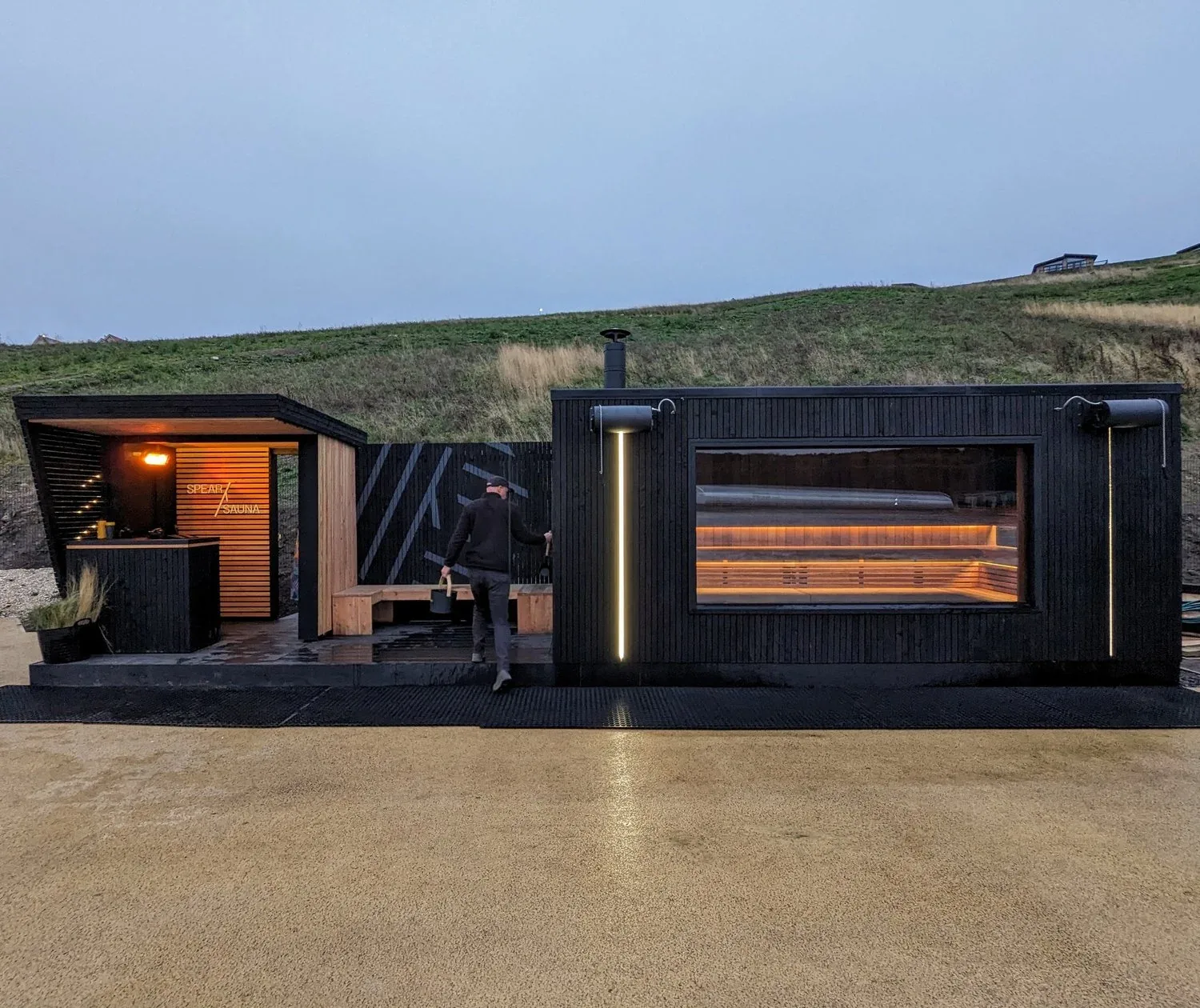
Heat training for hot races
If you're racing somewhere hot, getting used to heat beforehand is well supported by research. The traditional way is to train in the heat. Post-exercise heat is a practical alternative if you live somewhere cool.
At Bangor University in Wales, 17 men ran for 40 minutes each day for six days, then sat in a bath of water at either 40 °C (104 °F) or a neutral 34 °C (93 °F) for 40 minutes. The hot bath group adapted to heat in under a week, and their 5 km time trial in a 33 °C (91 °F) room improved by 4.9%. Their time trial in cool conditions didn't change. The Birmingham sauna study suggests a sauna can do a similar job, over about three weeks.
A sensible plan is to start two to three weeks before the event, add a sauna after easy or moderate sessions three or four times a week, and build up gradually from 10–15 minutes. The sessions in the studies were long and very hot, so don't jump straight in at that level, and do them with someone around.
Routines for different training
Running and endurance
Running is where the evidence is strongest. Use the sauna after easy and steady runs, two to four times a week, and build up the time over a few weeks. Skip it after a race, a very long run or a session in the heat, when you're already low on fluid.
Lifting and strength
There's no evidence that a sauna builds muscle, and a small Finnish study found an infrared sauna made no difference to recovery after strength training. It doesn't seem to hurt either, unlike an ice bath straight after lifting, which may reduce muscle gains (see cold plunge benefits). Ten to fifteen minutes to unwind is plenty. Eat afterwards rather than going without.
Team sports
After a match, rehydrate first and keep the sauna short. If you play again the next day, a cold plunge is the option with more research behind it for soreness; see does sauna help sore muscles? Keep heat off any fresh knock or sprain for the first couple of days, as the NHS advises.
Yoga and mobility
After a normal class, a sauna is a pleasant way to finish. After hot yoga you've already had your heat, so skip it or keep it very short. If you stretch afterwards, go easy: warm muscles feel looser, and it's easy to push further than you mean to.
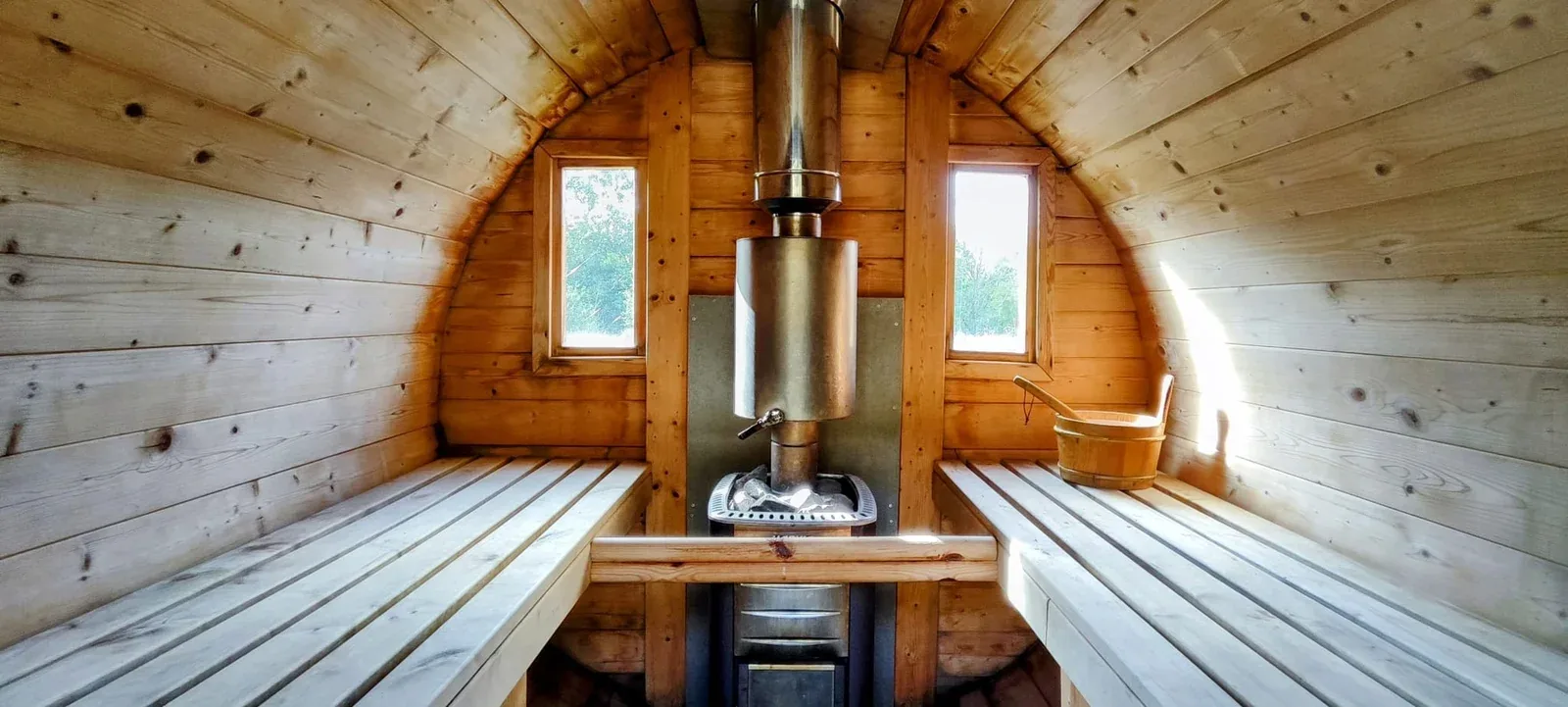
Rehydrating and refuelling
Training plus a sauna can cost you a lot of fluid. Sports nutrition guidance suggests weighing yourself before and after to find out how much: most of the difference is sweat.
- Drink about 1.5 litres for every kilogram you've lost. That's the figure the German Nutrition Society gives for full rehydration, because you keep losing some fluid as urine while you drink.
- Sip it over a few hours rather than downing it all at once, and have some salt with it, for example with a meal. Salt helps your body hold on to the water.
- Eat a proper meal with carbohydrate and protein within a couple of hours of finishing.
- Leave the alcohol until you've rehydrated, and never drink in the sauna.
If you'd hoped the sauna would help you lose weight, read does a sauna help you lose weight? first.
Who should be careful
- Skip the sauna if you feel dizzy or sick after training, or you've trained hard in the heat.
- Get out at once if you get a headache, feel confused or stop sweating, which can be signs of heat illness.
- Check with a doctor first if you have a heart condition or high or low blood pressure, are pregnant, or take medicine that affects heart rate, blood pressure or sweating.
- Teenage athletes and anyone new to saunas should start with short, cooler sessions.
This guide is general information, not medical advice.
Saunas near the action
Many saunas sit next to lidos, lakes and training grounds, so you can go straight from your session. A few listed on Find My Sauna:
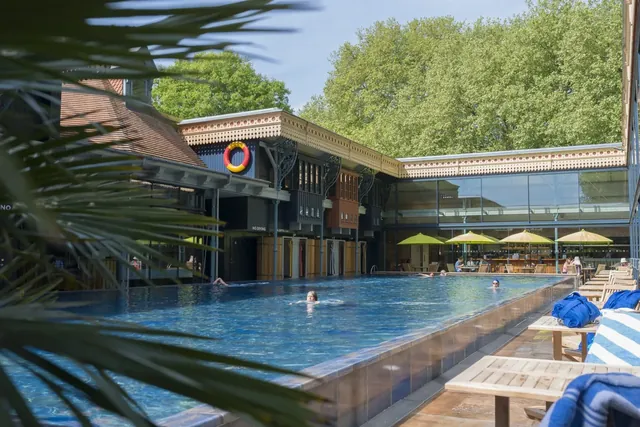
Thames Lido
Reading · Lido with sauna

Fire & Ice Recovery
Dublin · Sauna and recovery

Farm Fit at Collins Farm
Oxford · Private sauna
Frequently asked questions
Is a sauna after a workout good for you?
For most healthy people, yes. It helps you relax, and regular sessions after training may help endurance and heat tolerance. Drink plenty of water afterwards.
How long should you sit in a sauna after a workout?
Start with 10–15 minutes once your heart rate has come down. Endurance athletes using it as heat training build up gradually over a few weeks.
Can a sauna help you prepare for a hot race?
Yes. Small studies found that regular post-exercise heat for one to three weeks helped athletes cope with exercising in the heat.
Does a sauna after lifting kill gains?
There is no evidence that it does. That concern applies more to ice baths straight after strength training.
How much water should I drink after a workout and sauna?
About 1.5 litres for every kilogram of weight lost, sipped over a few hours with some food or salt.