Sauna stones: types and when to replace them
 By the Find My Sauna team·
Updated ·
7 min read
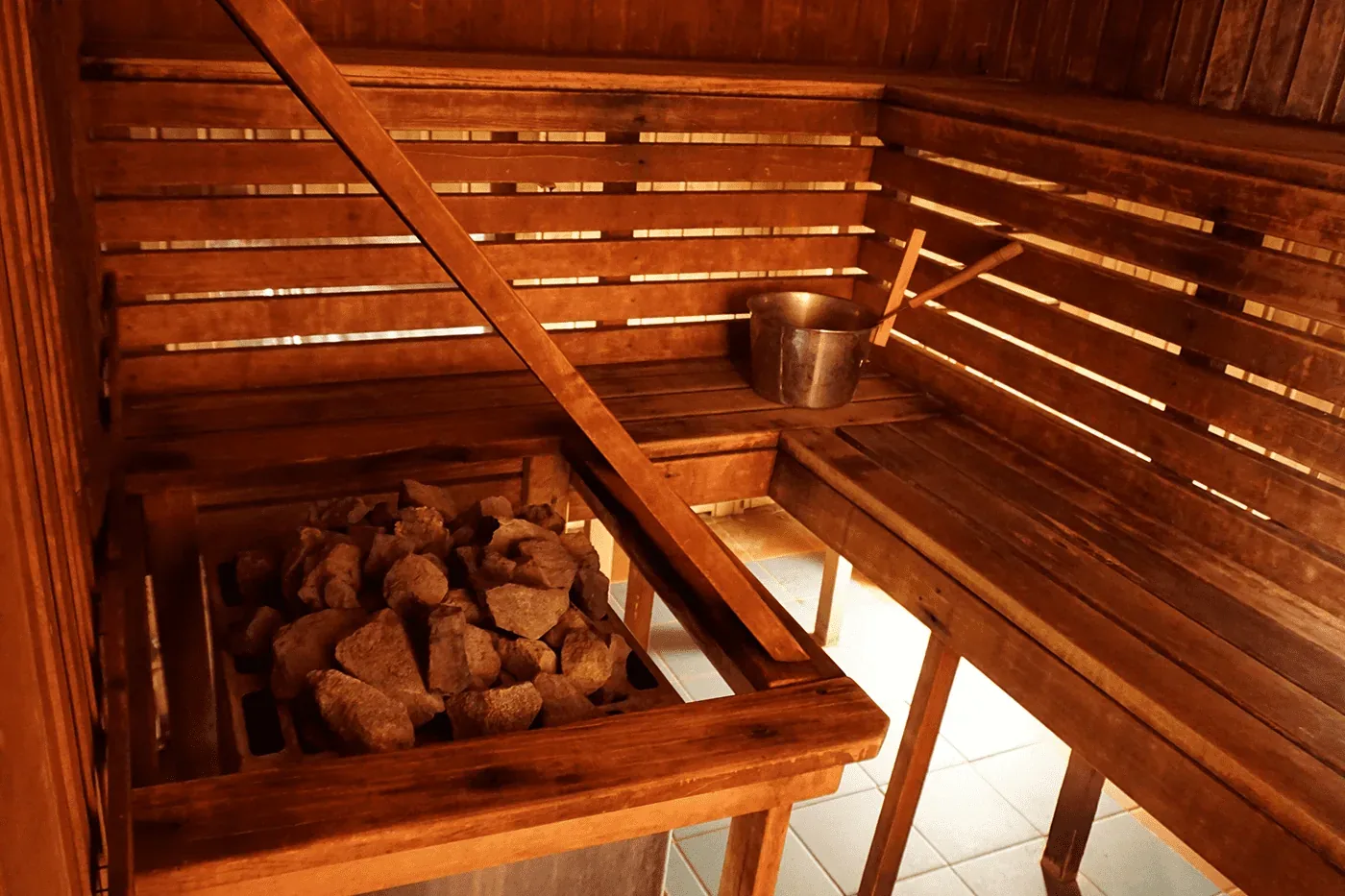
The stones are the part of a sauna most people never think about, until the steam turns harsh or bits of grit appear under the heater. They store the heat, turn your ladle of water into löyly and protect the heater. Here's which stones to use, how many, how to stack them and when to change them.
The short answer
Use stones sold for sauna heaters, most often olivine diabase, and the size and amount your heater's manual gives. Electric heaters usually take stones 5–10 cm across, wood stoves often 10–15 cm. Stack them loosely so air can flow, without a tall heap on top. Check them at least once a year by tapping them together, and replace any that crumble, crack or sound hollow. With use around twice a week, Harvia suggests changing them about once a year. Don't use river or garden stones.
What the stones do
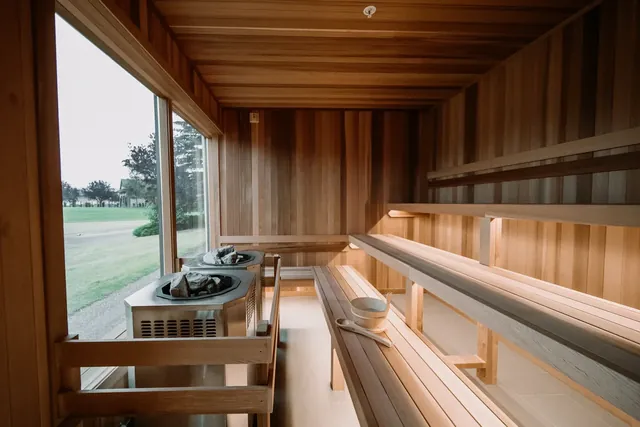
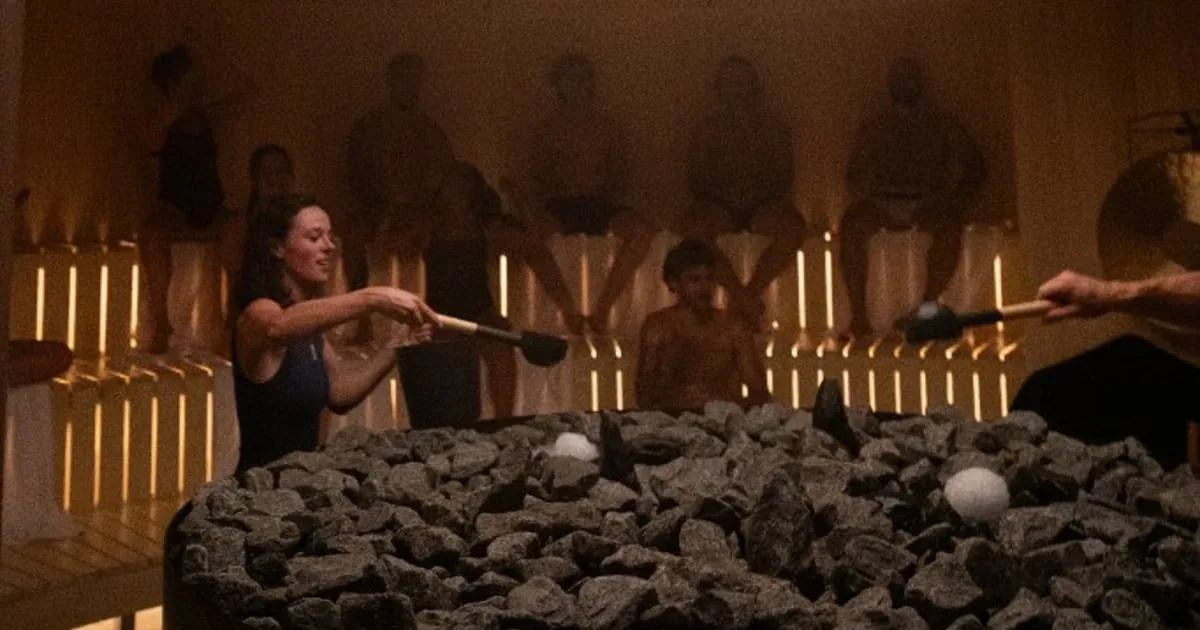
Stones do three jobs. They soak up heat and release it into the room. They turn the water you throw on them into a burst of steam, the löyly at the centre of a Finnish sauna. And in an electric heater they surround the elements, spreading the heat and keeping water off the hot metal.
When stones break down, all three jobs suffer. Air can't flow through the heater as it should, the room heats more slowly, and the elements run hotter.
Types of sauna stone
Olivine diabase
The standard choice. Harvia calls it the most common sauna stone for all heater types, and describes it as a subvolcanic rock mined in western Finland. It's dense, so it stores a lot of heat for its size. Heat-treated versions are sold for public saunas with heavy use, as they last longer.
Peridotite
A dark rock made mostly of olivine and pyroxene. Some Finnish brands sell it as a heater stone, for example in 5–8 cm pieces.
Vulcanite
A black stone that Harvia sells as an alternative to olivine diabase, describing it as hard and durable.
Rounded stones
Olivine diabase tumbled smooth, like stones from a riverbed. Some heaters, such as Harvia's Spirit, require them.
Decorative stones
White or red granite pieces for the top layer only. Harvia advises no more than one box per heater.
Ceramic stones
Manufactured pieces sold as an alternative to natural stone. Heater makers disagree about them. Helo's manuals forbid them and say using them voids the warranty. Harvia's manual allows them only if they are approved by the manufacturer. HUUM allows them in some heaters at the owner's responsibility. Check your manual before buying any.
You'll also see soapstone in some heaters. In Tulikivi's electric heaters, for example, the soapstone is the outer cladding, and the stone compartment inside still takes olivine diabase or vulcanite.
Why not river or garden stones?
It's tempting to fill a heater with stones from a beach or a riverbed. Don't. Harvia warns against collecting stones from nature because many may contain harmful substances or can't cope with the fast swings in temperature. Stones that have sat in water can have moisture inside and crack when heated, and soft stones break up quickly.
Sauna stones are sold because they've been chosen to survive being heated, doused and heated again, week after week. They're cheap compared with a heater, which is the thing poor stones can damage.
How many stones you need
Your heater's manual gives the amount and size. As examples from Harvia's own specifications:
| Heater | Type | Stones | Stone size |
|---|---|---|---|
| Vega BC60 (6 kW) | Electric | 20 kg | 5–10 cm |
| Cilindro PC90E (9 kW) | Electric | 90 kg | 5–10 cm |
| M3 (16.5 kW) | Wood-burning | 30 kg | 10–15 cm typical for wood stoves |
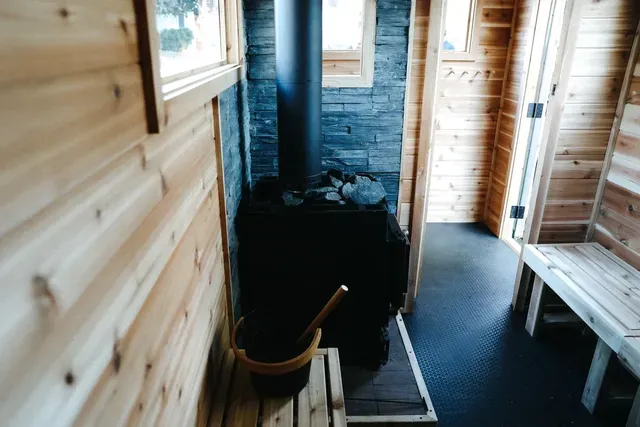
Harvia's general guide is 5–10 cm stones for electric heaters, because they fit between the elements, and 10–15 cm for wood-burning stoves, with smaller stones on top. Too many stones block the airflow and overheat the elements. Too few won't give you good steam, and some manuals warn that a sparsely filled heater is a fire risk.
For choosing the heater itself, see our guide to sauna heaters.
How to stack them
- Rinse the stones first to wash off dust, which otherwise ends up in the heater and the room.
- Place them, don't drop them. Dropping stones can bend the elements.
- Stand long stones on end and keep the packing loose and even, so air can move through.
- Support the elements. In an electric heater, use stones to hold the elements in place, but don't wedge them tightly between them.
- No tall heap on top. A pile above the heater's rim looks generous but chokes the airflow.
- Burn off the smell. New stones have a natural stone smell. Heat the sauna and douse them with water before the first proper session.
When to replace them
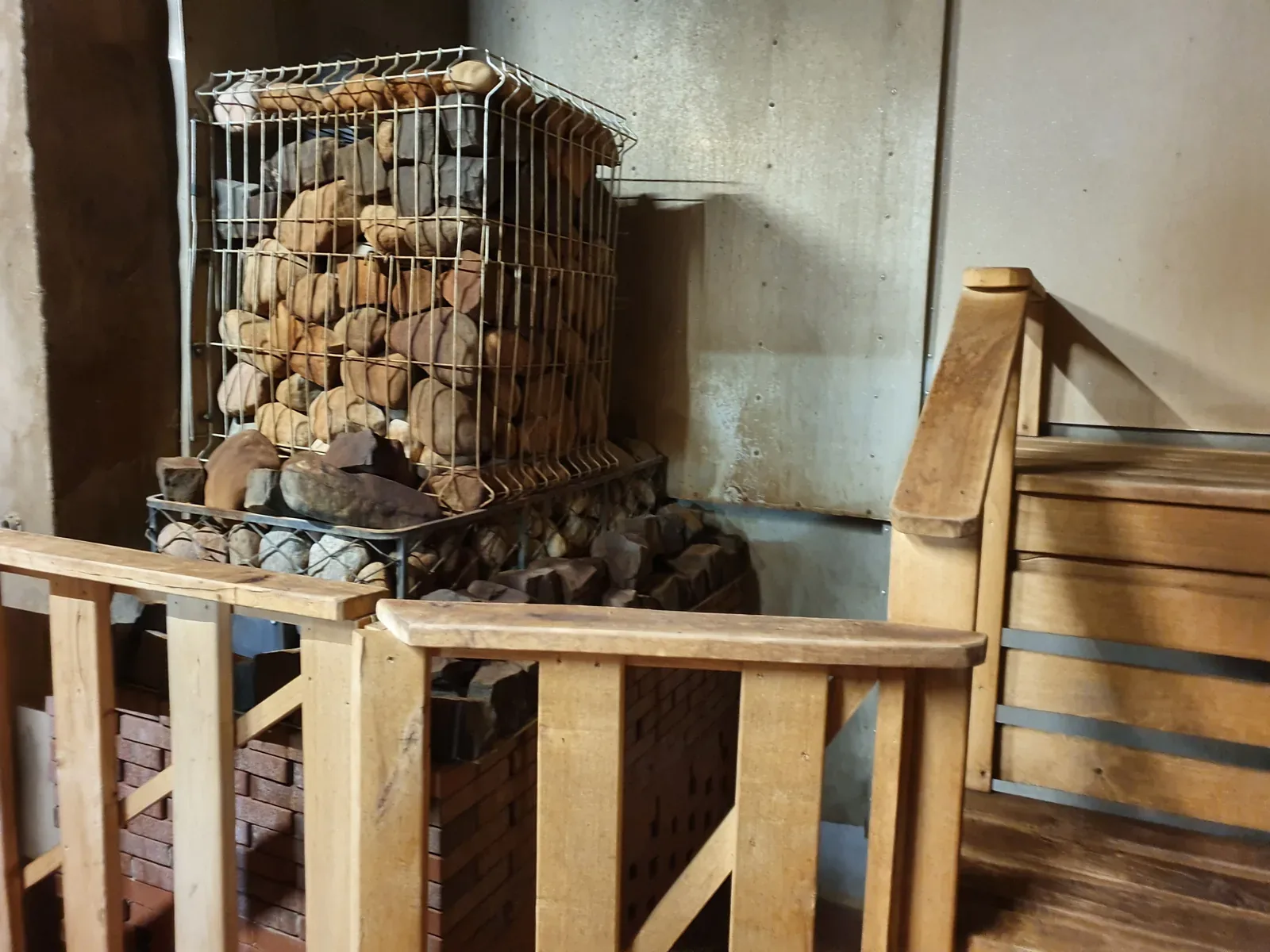
Every sauna stone breaks down eventually. Heating, cooling and water slowly crack them, and the broken pieces slip down and pack together. Harvia's advice is to check them at least once a year, and more often if you find grit under the heater. With use around twice a week, it suggests changing them about once a year.
To check them, take them all out, tap them together and look at them. Throw out any that:
- crumble or leave a lot of grit
- sound dull or hollow when tapped
- are cracked or have changed colour
Clear the debris from the bottom of the heater, wash and dry the good stones, and put them back loosely with new ones to make up the amount.
It makes a measurable difference. In a test Harvia ran in a 10 m³ sauna with a 7 kW heater, old, tightly packed stones pushed the heating elements to 680 °C, against 580 °C with new, loosely laid ones. After an hour, the room with new, loose stones was about 10 °C warmer than with new stones packed tight. That was one test by a heater maker, but the direction is clear. Stone upkeep is part of the running cost in our home sauna cost guide.
Where to try a proper löyly
Public saunas often run big heaters with far more stone than a home sauna. Trying a few is the best way to feel how the heater and stones change the steam. If you're new to throwing water, our guide to sauna temperature explains why the room suddenly feels so much hotter.

Latvian Sauna Ritual
Riga · Ceremonial sauna

Raua Saun
Tallinn · Finnish and steam saunas

Pārdaugavas malkas pirts
Riga · Finnish sauna
Frequently asked questions
How often should sauna stones be replaced?
Check them at least once a year. Harvia suggests changing them about once a year if you use the sauna around twice a week, and more often with heavier use.
Can I use rocks from my garden in a sauna?
No. Stones from nature may contain harmful substances, hold moisture or crack when heated. Use stones sold for sauna heaters.
What are the best sauna stones?
Olivine diabase is the standard and works in almost every heater. Use whatever type and size your heater manual recommends.
How many stones does a sauna heater need?
It depends on the heater. Harvia lists 20 kg for its 6 kW Vega and 90 kg for its 9 kW Cilindro PC90E. Your manual gives the figure.
Should sauna stones be washed?
Yes. Rinse new stones before stacking them, and wash and dry old ones before putting them back.