How much does a home sauna cost?
 By the Find My Sauna team·
Updated ·
7 min read
The price on a sauna kit is only part of the bill. A heater, stones, a base, an electrician and delivery can add a lot, and then there's the cost of running it every week. This guide breaks the total down so you know what to ask for when you get quotes.
The short answer
For a small two-to-four-person sauna in the US, the cost guide Fixr puts typical installed prices at $2,000–12,000 for infrared and $3,000–5,000 for a traditional electric sauna, with custom builds going higher. Size, wood, the heater and how much work the site needs make the biggest difference. A traditional electric heater usually needs its own dedicated circuit, while many small infrared cabins plug into a normal socket. To work out running costs, multiply the heater's kilowatts by the hours it runs and by what you pay per kWh.
What you are paying for
A home sauna is a small insulated wooden room and something to heat it. The price moves with a handful of choices:
- Size. More people means more wood, more insulation and a bigger heater.
- Wood. Spruce and pine are cheaper. Cedar and thermally modified wood cost more but last longer, especially outdoors.
- Heat source. Infrared panels, an electric heater with stones or a wood-burning stove. Each brings different installation costs.
- Kit or custom. A prefab kit is the cheapest route. A sauna built into an existing room, or a one-off garden building, costs more in labour.
- The site. A sauna in a dry basement next to the fuse box is cheap to connect. One at the bottom of the garden needs a base and a long cable run.
Cost by type
These are US figures from Fixr's sauna cost guide (updated January 2025) for saunas seating two to four people, installed. Treat them as a starting point. They are averages, and prices vary a lot between regions and countries.
| Type | Typical installed cost | What to know |
|---|---|---|
| Infrared cabin | $2,000–12,000 | Small cabins often run from a standard outlet. Cheapest to run. |
| Traditional electric | $3,000–5,000 | Needs its own circuit, 220–240 V in the US. |
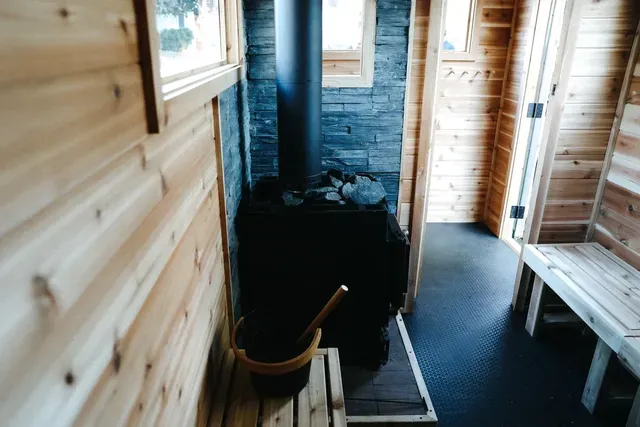
| Traditional wood-burning | $3,000–4,000 | Add a chimney, safe clearances and a supply of dry wood. |
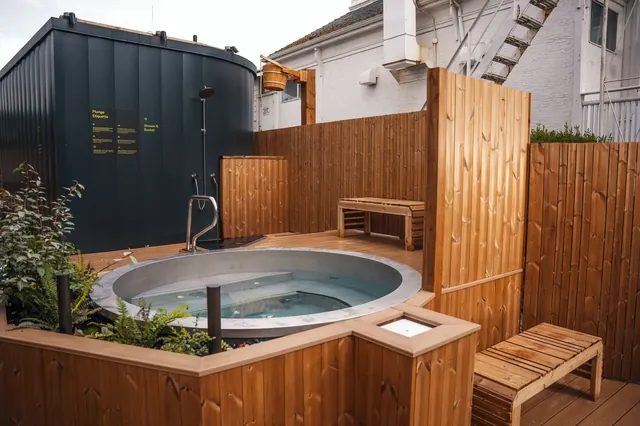
| Outdoor sauna | $3,000–6,000 | Plus a base, and cable or a chimney. Large cabins cost much more. |
| Custom four-person cedar sauna | About $7,100 | Fixr's example of a professionally built custom room. |
Barrel saunas sit somewhere in the outdoor range, depending on size and wood. Our guide to barrel saunas covers what to budget for one.
Installation, base and electrics
This is where budgets slip. Get these quotes before you order the sauna itself.
Electrics
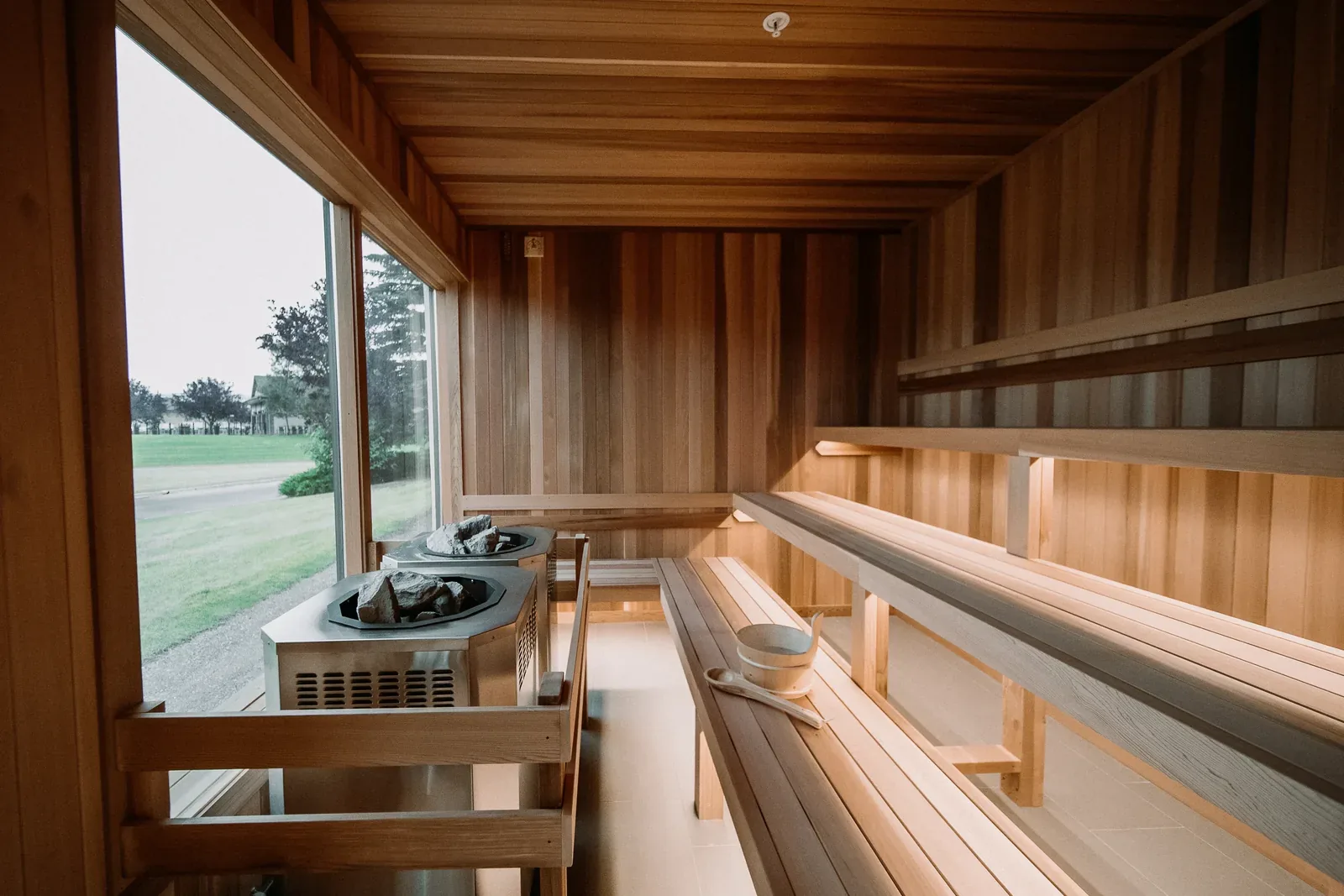
A traditional electric heater draws a lot of power. Fixr puts a new 220-volt circuit at $500–800 in the US. In Europe, many heaters can be wired for three-phase supply: Harvia's 6 kW Vega, for example, runs on 400 V three-phase or 230 V single-phase, and the two need different fuses and cables. Your electrician will tell you which your home can take.
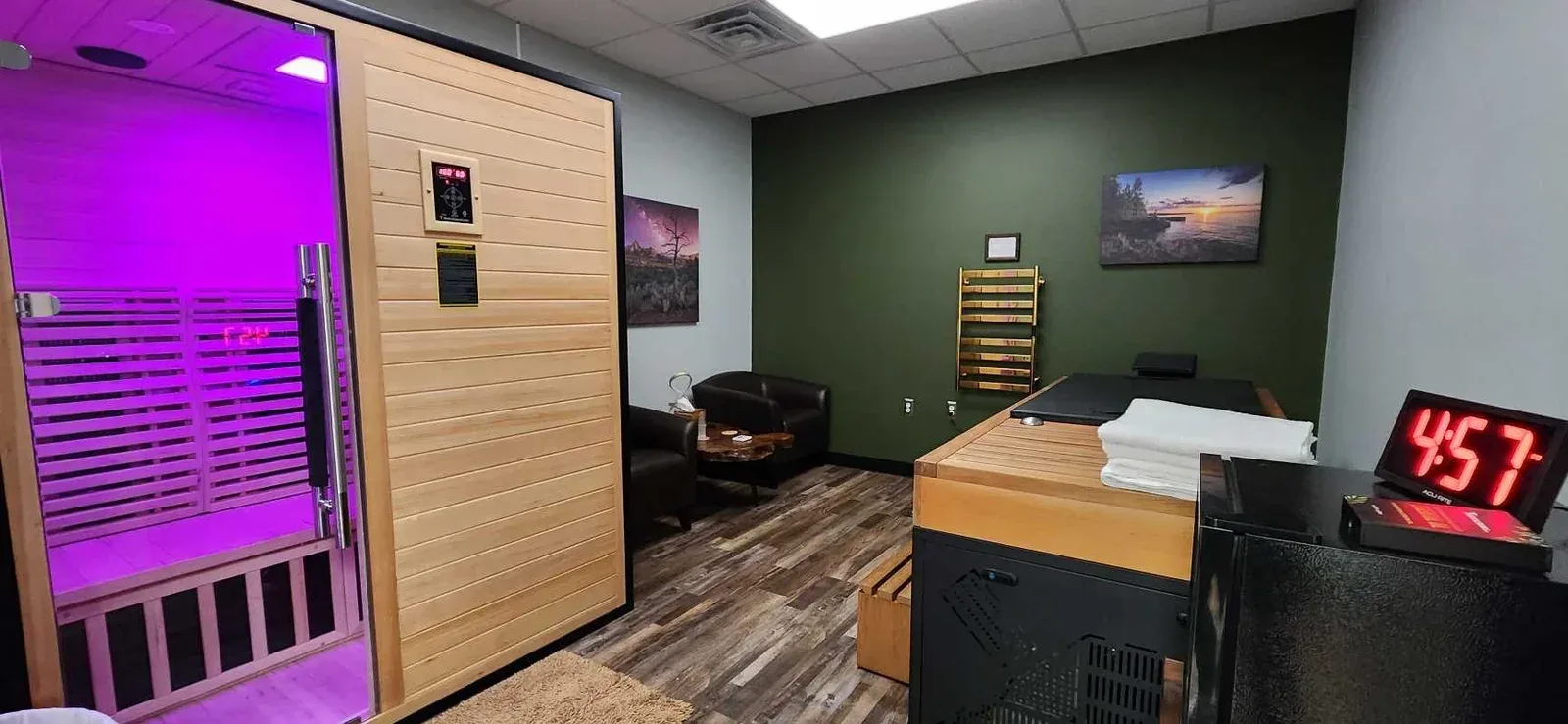
Small infrared cabins are easier. Finnleo's two-person S-820, for example, is listed for a standard 15-amp, 120-volt outlet. Check the spec sheet before you buy, as larger cabins need a dedicated circuit.
Base and building work
Indoors, a sauna needs a floor that copes with water and a way for fresh air to come in and stale air to go out. Fixr puts an exhaust fan system at $100–350. Outdoors, you'll need a level base: paving slabs, a gravel pad, concrete piers or a slab. The bigger the sauna, the more the base matters.
Labour
Many kits can be built by two handy people. Fixr gives a four-person prefab kit at $2,640–4,790 if you build it yourself, against $4,000–6,000 installed. Leave the wiring to a qualified electrician whatever you do.
Running costs: how to work them out
You don't need anyone's estimate for this. You need three numbers: the heater's power in kilowatts (on the rating plate or in the manual), how long it runs, and the price per kWh on your electricity bill.
kWh used = heater kW × hours running
Cost = kWh used × your price per kWh
Take a 6 kW heater. Warming the sauna usually takes 30–60 minutes at full power. Once it's hot, the thermostat switches the heater on and off, so it uses less than full power while you're inside. If it ran flat out for a one-hour warm-up and a one-hour session, that would be 6 × 2 = 12 kWh, and in practice it will usually be less. If you pay 25 cents (or pence) per kWh, the most that session can cost is 12 × 0.25 = 3.00.
An infrared cabin on a 15-amp, 120-volt outlet can't draw much more than about 1.8 kW. An hour at full power is about 1.8 kWh, or 0.45 at the same price.
For a wood-burning stove, count what you burn. Weigh or count the logs for one session and multiply by what you pay for firewood. Fixr's rough monthly figures for regular use are $15–20 for infrared, $25–30 for electric and $20–40 for wood, but your own sums will be more accurate.
Upkeep and replacement parts
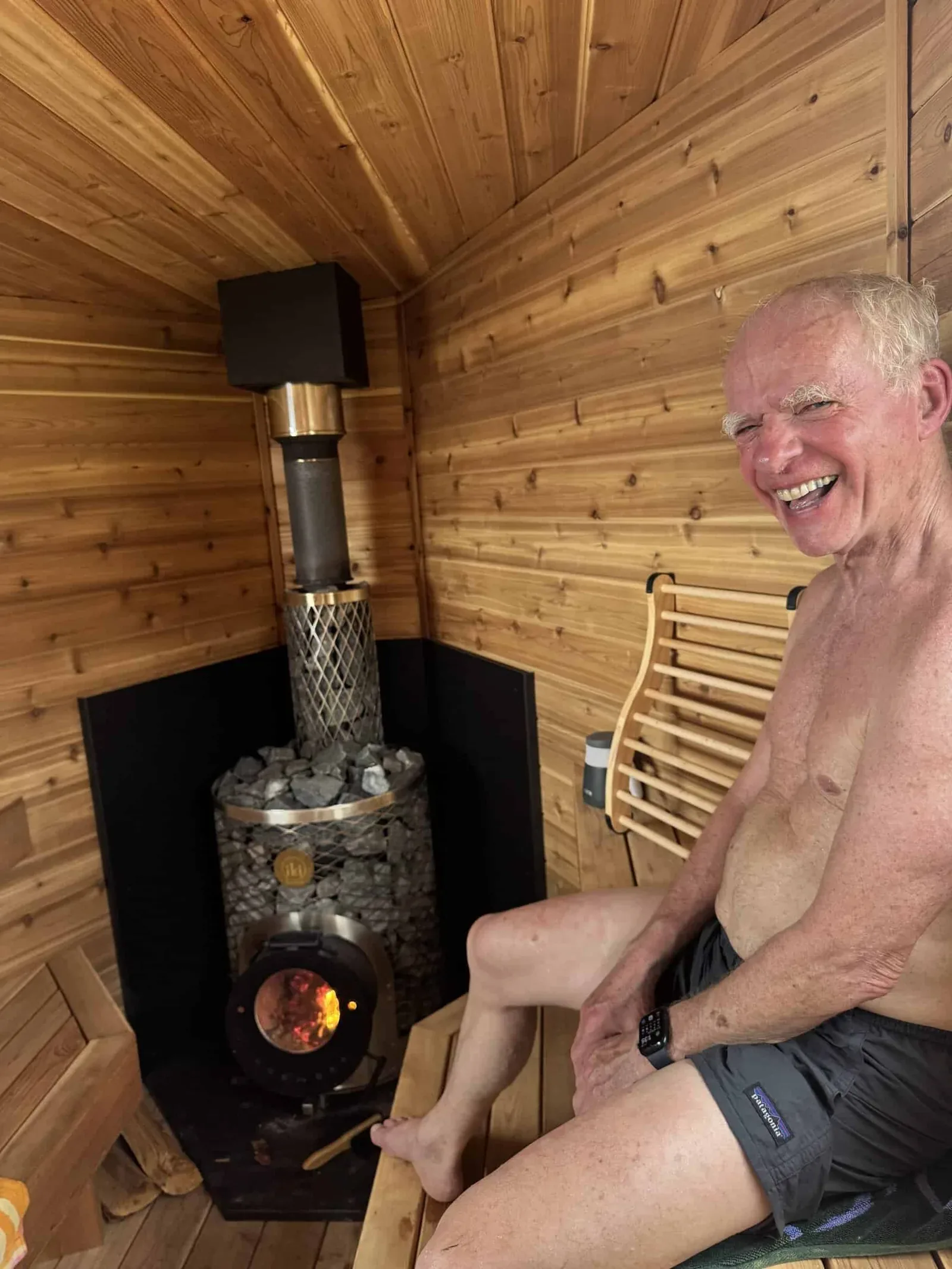
- Stones. They crumble with use. Harvia advises changing them about once a year if you use the sauna around twice a week. More in our guide to sauna stones.
- The heater. When you change the stones, look at the elements. Harvia says discolouration or limescale on the elements or frame can mean the heater needs replacing.
- Wood. Never varnish or paint the inside. Outside, cabins and barrels need their exterior treatment renewed from time to time.
- Chimney. A wood stove's flue needs regular sweeping and checks.
- Benches. Sitting on a towel keeps sweat out of the wood. Scrub the benches now and then.
Ways to spend less
- Buy the size you'll use. A four-person sauna that's used by two costs more to buy and heat.
- Put it near the power. A short cable run is cheaper than trenching across a garden.
- Check what's included. Some kit prices leave out the heater, stones or controls.
- Build it yourself if you're confident with a kit, and pay for the electrics only.
- Match the heater to the room. Too small and it struggles. Too big and you pay for power you don't need. Our guide to sauna heaters explains sizing.
If the budget won't stretch, read are sauna blankets worth it? before you settle for one.
Try one before you buy
Renting a private sauna for an hour or two is a cheap way to test infrared against traditional heat, or a wood stove against an electric heater, before you spend thousands.
Find My Sauna lists 729 places where you can book a private sauna. These cities have the most:
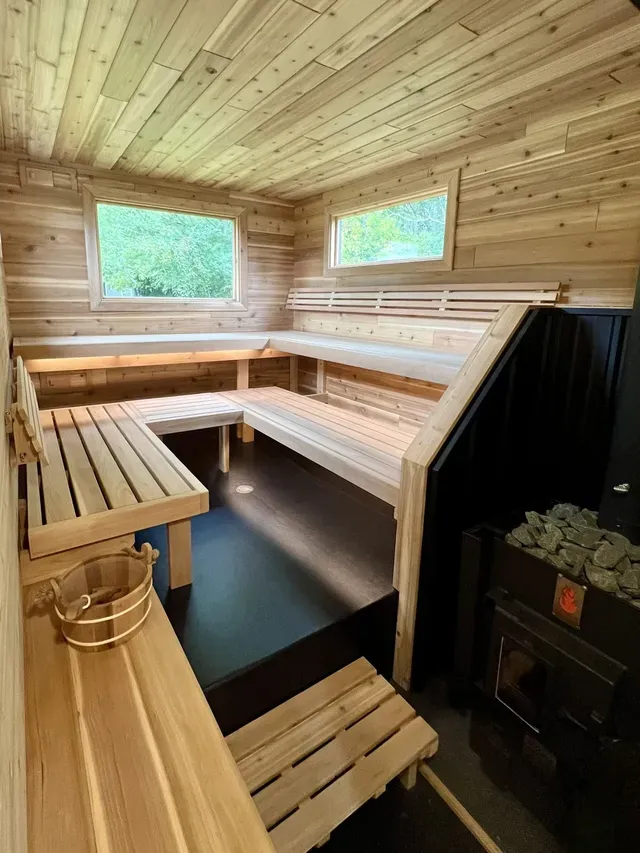
Saunable
Minneapolis · Private outdoor sauna
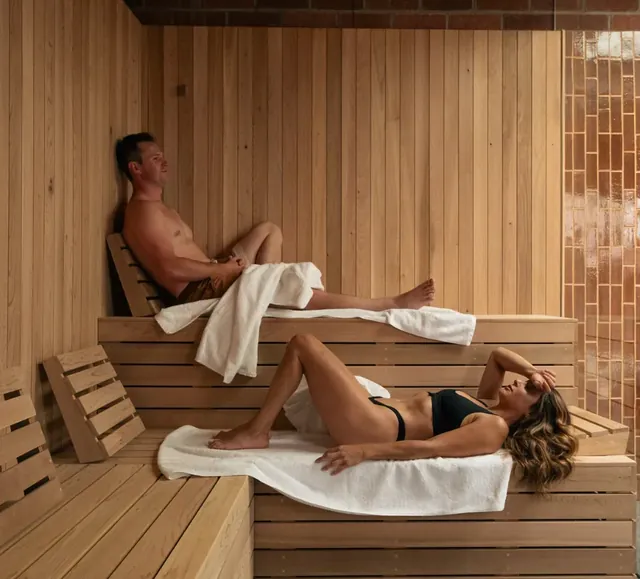
Reno Sauna Club
Reno · Private outdoor sauna
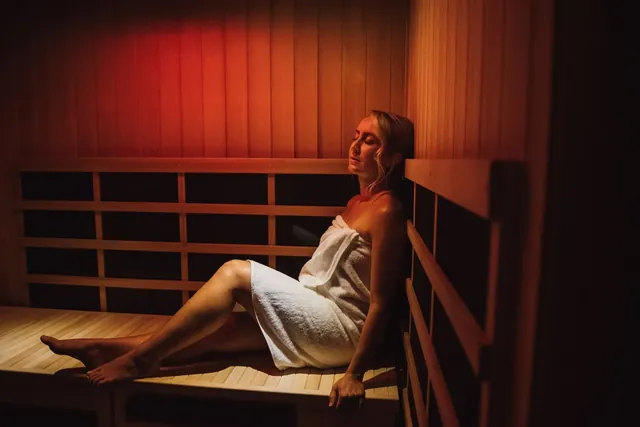
Rē Sauna
Winnipeg · Private infrared rooms
Frequently asked questions
How much does a home sauna cost?
In the US, Fixr puts a small installed sauna at about $2,000–12,000 for infrared and $3,000–5,000 for traditional electric. Custom and large outdoor saunas cost more.
How much does it cost to run a sauna?
Multiply the heater power in kW by the hours it runs and by your price per kWh. A 6 kW heater running flat out for two hours uses at most 12 kWh.
Is an infrared sauna cheaper to run than a traditional one?
Usually, yes. Infrared cabins draw much less power than a traditional heater and warm up faster.
Can I plug a sauna into a normal socket?
Some small infrared cabins, yes. A traditional electric heater needs its own circuit, wired by an electrician.
Do I need an electrician to install a sauna?
For any hard-wired heater or new circuit, yes. Many people build the kit themselves and pay only for the electrics.