Sauna whisking (vihta, venik) explained
 By the Find My Sauna team·
Updated ·
7 min read
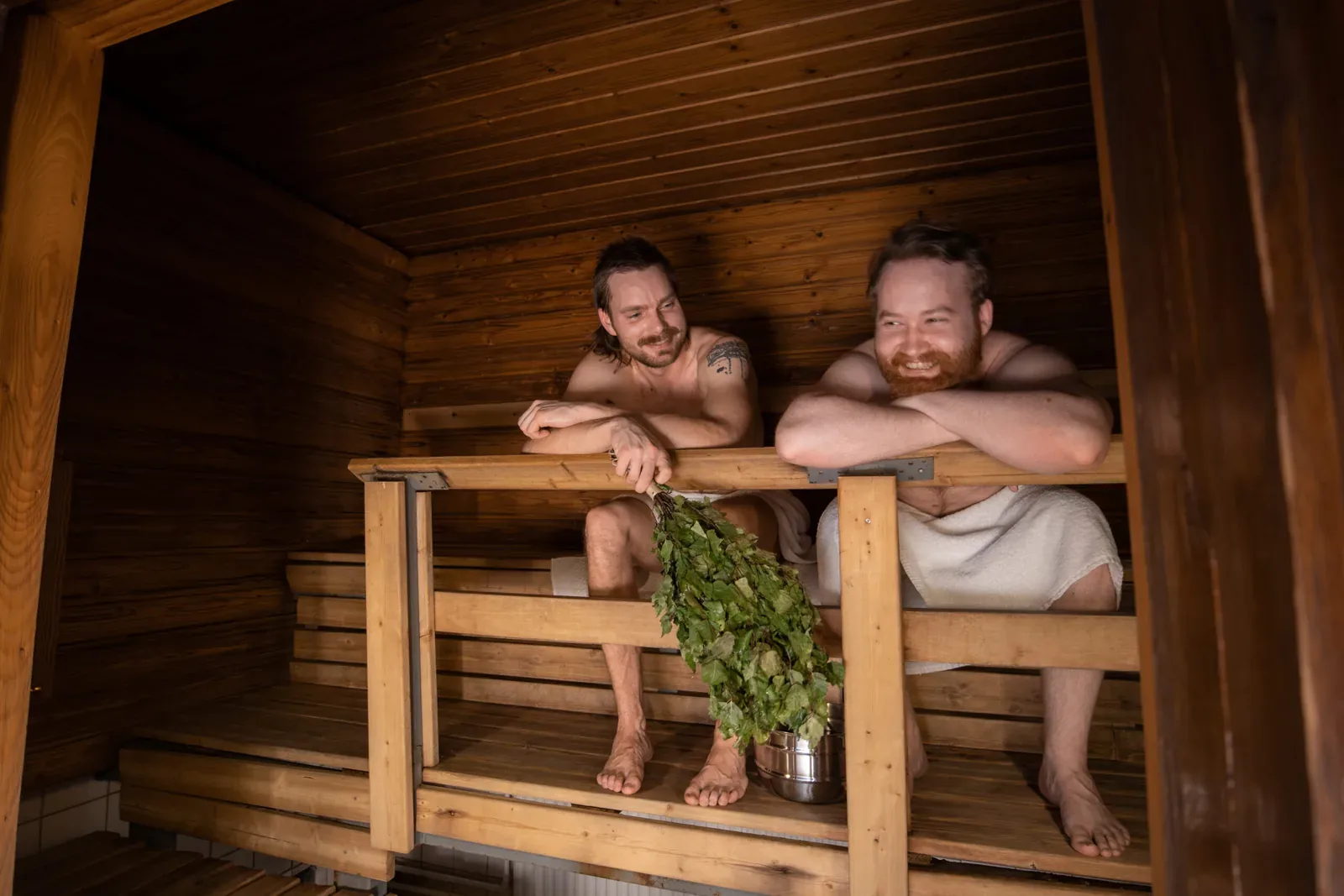
Being hit with a bundle of leaves in a hot room sounds like something you'd do for a dare. In Finland, Estonia, Latvia, Lithuania and Russia it's a normal part of a sauna, and done well it's one of the best feelings heat can give you.
The short answer
Sauna whisking means tapping, pressing and brushing the skin with a bundle of soaked leafy branches in the heat. Birch is the classic, and oak, eucalyptus and juniper are used too. The whisk is called a vihta or vasta in Finland, a viht in Estonia, a slota in Latvia, a vanta in Lithuania and a venik in Russia. You can whisk yourself, or book a session with a sauna master, who uses one or two whisks in a slow rhythm while you lie on the bench. It should feel warm and invigorating, never painful.
What whisking does
The whisk does three things. It moves hot air: waved above your body, it pushes the steam down onto your skin, so you feel the heat more strongly where it lands. It stimulates the skin, which flushes red and tingles. And it smells wonderful, as the hot, wet leaves release their scent into the room.
Whisking is old and widespread. The Võro people of south-east Estonia have whisked in their smoke saunas for generations, and when UNESCO added the smoke sauna tradition of Võromaa to its intangible heritage list in 2014, it named the skill of making bath whisks as part of it. There's very little research on whisking itself, so treat claims that it "detoxes" you with suspicion. What's certain is that it feels great and makes a sauna round more intense.
One whisk, many names
- Finland: vihta in the west, vasta in the east, though the line between them isn't strict.
- Estonia: viht.
- Latvia: pirtsslota, or just slota.
- Lithuania: vanta.
- Russia: venik. A whisking session is called parenie, and in American bathhouses it's known as platza.
Birch, oak, eucalyptus and more
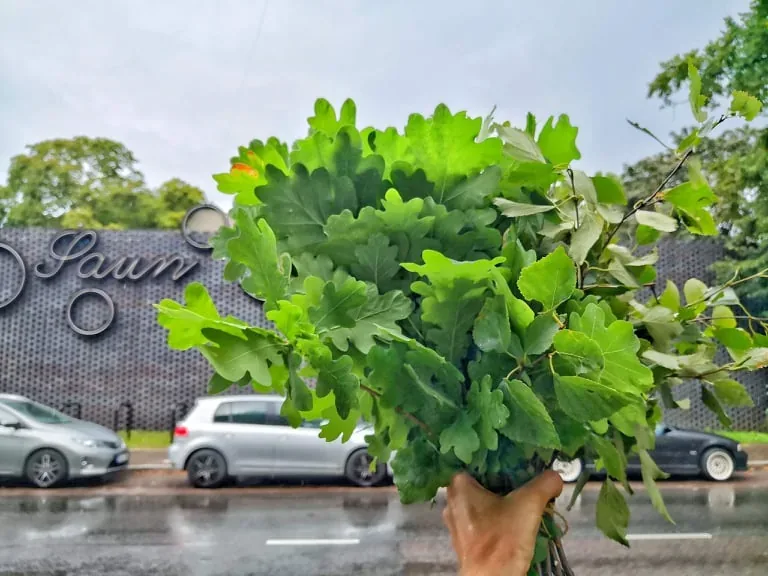
Birch is the default almost everywhere. It's soft and smells fresh and green. Finns use both silver birch, which lasts longer, and downy birch, which is more flexible and has a stronger scent.
Oak has larger, tougher leaves. An oak whisk feels heavier on the skin and holds together well, and it's a favourite in banyas.
Eucalyptus is popular in Russian-style banyas for its sharp, clearing smell.
Juniper is prickly and used sparingly, often on the feet. Latvian sauna masters also use maple, and tie aromatic plants such as mint, lemon balm and spruce into bundles for scent.
How a whisk is made
In Finland, birch for whisks is cut from around midsummer to early July, when the leaves are fully grown and tough enough not to fall off in the heat. You need the landowner's permission. Branches of about half a metre are laid in a fan shape with the pale undersides of the leaves facing out, so they don't stick to the skin. The bottom 10–15 cm are stripped bare to make a handle, which is tied tightly in two places, traditionally with a thin birch twig, though string works fine.
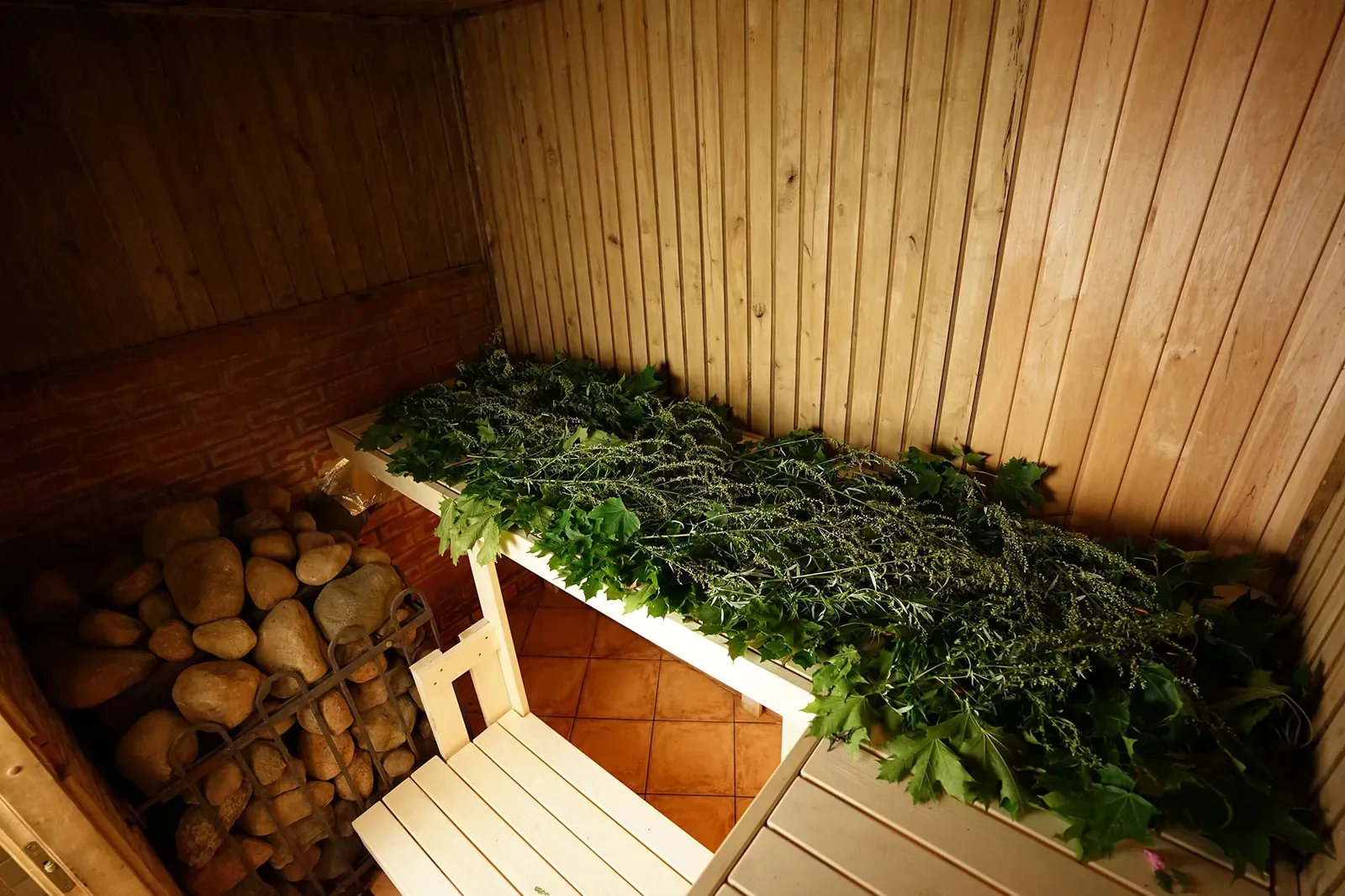
Soaking and storing
A fresh whisk needs only a few minutes in cool water to make the leaves supple. A dried whisk needs longer: Harvia, the Finnish heater maker, tells you to soak its dried birch whisks in hot water for about 30 minutes. Banyas soak theirs in very hot water so the leaves soften and release their scent.
Whisks are made in summer but used all year, so people store them. Freezing works well: seal the whisk in a plastic bag with the air pressed out. Drying works too, hung somewhere cool, dark and airy. A whisk usually lasts one or two sessions.
How to whisk yourself
- Warm up first. Do one round without the whisk. Latvian sauna masters wait until the second or third round.
- Throw a little water on the stones so the air is moist.
- Start gently with your legs and arms, tapping and brushing. Then move to your back and chest. Keep away from your face.
- Build up slowly. Raise the whisk to catch the hot air near the ceiling, then press it onto your skin for a second or two. That press is where the heat comes from.
- Re-dip the whisk in water if it dries out. Shake it off before you use it near anyone else.
When whisking a friend, agree first on how hard and which parts to avoid. In a public sauna, ask before you start: leaves get everywhere, and some places only allow whisking in certain rooms. Our guide to the Finnish sauna has more on etiquette.
Professional whisking sessions
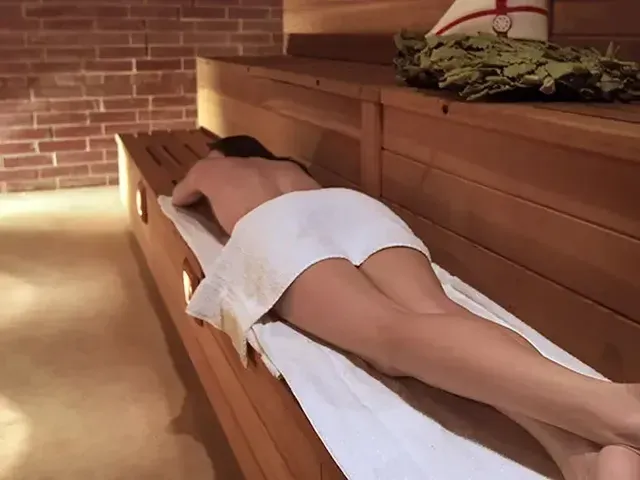
A session with a trained sauna master is a different experience. You lie face down on the top bench. The master fans hot air over you, then works in a rhythm: light strokes, taps, and long presses of hot leaves onto your back, legs and feet, often with a whisk in each hand. You turn over and they repeat on your front. Sessions often end with cold water, a rest and tea. A good master checks in with you and adjusts the heat.
In our listings, Pilaitės malūno pirtys in Vilnius runs public bath evenings, such as a mixed birch-whisk session for €55, and London's Banya No.1 sells parenie packages from £85. Private Latvian rituals cost more because they last hours: Saules pirts in Riga charges €180 for one person for two and a half to three hours. Our guide to the Russian banya describes the banya version.
The Baltic pirts ritual
In Latvia and Lithuania, a pirts (Lithuanian pirtis) visit led by a sauna master, or pirtnieks, can be a long ceremony rather than a quick sweat. Latvian sauna masters suggest heating the room to about 70–85 °C (158–185 °F). Expect herbal teas between rounds, salt or herbal scrubs, fragrant water on the walls and benches, and whisking with several different bundles. Some finish with a thin layer of honey on the skin. Bring a felt hat to keep your head cool, and expect to rest for a while between rounds.
Who should be careful
Whisking adds to the strain of an already hot sauna. Skip it on broken skin, sunburn or rashes, and ask your doctor first if you have a heart condition, blood-pressure problems or are pregnant. Never use a whisk so hard that it hurts or leaves marks.
This guide is general information, not medical advice.
Where to try it
Many saunas listed on Find My Sauna sell whisks at the desk or offer whisking with a sauna master. A few to start with:

Saules pirts
Riga · Latvian pirts rituals

Pilaitės malūno pirtys
Vilnius · Bath master and whisk evenings
Voda Spa
Los Angeles · Platza by the pool
Frequently asked questions
Does sauna whisking hurt?
It should not. Done well, it feels like warm pressure and tingling. Ask for a gentler touch if it is too much.
What is a sauna whisk made of?
Usually birch branches. Oak, eucalyptus and juniper are also used, and Baltic sauna masters add herbs.
How do you prepare a dried sauna whisk?
Soak it in warm to hot water for about 30 minutes until the leaves are soft. A fresh whisk only needs a few minutes in cool water.
What is the difference between a vihta and a venik?
They are the same thing. Vihta and vasta are the Finnish words, venik is the Russian one.
Can you bring your own whisk to a public sauna?
Often yes, but ask first. Some saunas only allow whisking in certain rooms or at certain times.