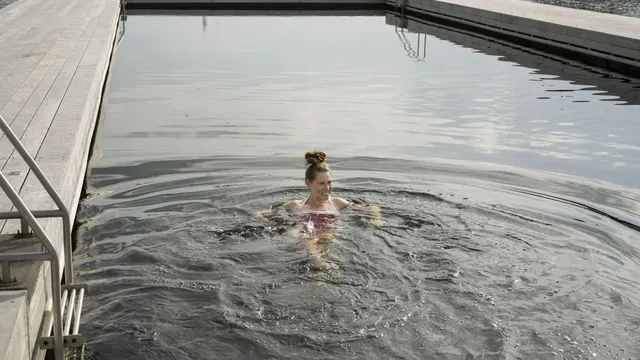
What temperature should a cold plunge be?
 By the Find My Sauna team·
Updated ·
7 min read

Some studios keep their tubs at 5 °C (41 °F). Winter swimmers cut holes in lake ice. But colder isn't automatically better, and the right temperature for your first plunge is a lot warmer than social media suggests.
The short answer
A cold plunge works at anything below about 15 °C (59 °F), which is the point where water starts to trigger the cold shock response. For beginners, 10–15 °C (50–59 °F) is the sensible range. It's also the range where sports studies found cold water eased muscle soreness best. Experienced plungers often go down to 5–10 °C (41–50 °F). Below 5 °C (41 °F) is for people who are well used to cold, for very short dips and never alone.
Temperature bands
| Water | What it feels like | Suits |
|---|---|---|
| 15–20 °C (59–68 °F) | Cool. Your breath catches, then settles quickly | First tries, cold showers |
| 10–15 °C (50–59 °F) | Properly cold. Gasping for the first half-minute | Most people, most of the time |
| 5–10 °C (41–50 °F) | Very cold. Hands and feet ache fast | Regulars, short dips |
| 0–5 °C (32–41 °F) | Ice water. Painful at first, numbing soon after | Experienced only, very short |
These are rough bands, not rules. Wind, moving water and how warm you were when you got in all change how cold a given temperature feels. Coming straight out of a hot sauna, 10 °C feels far easier than it does on a cold morning.
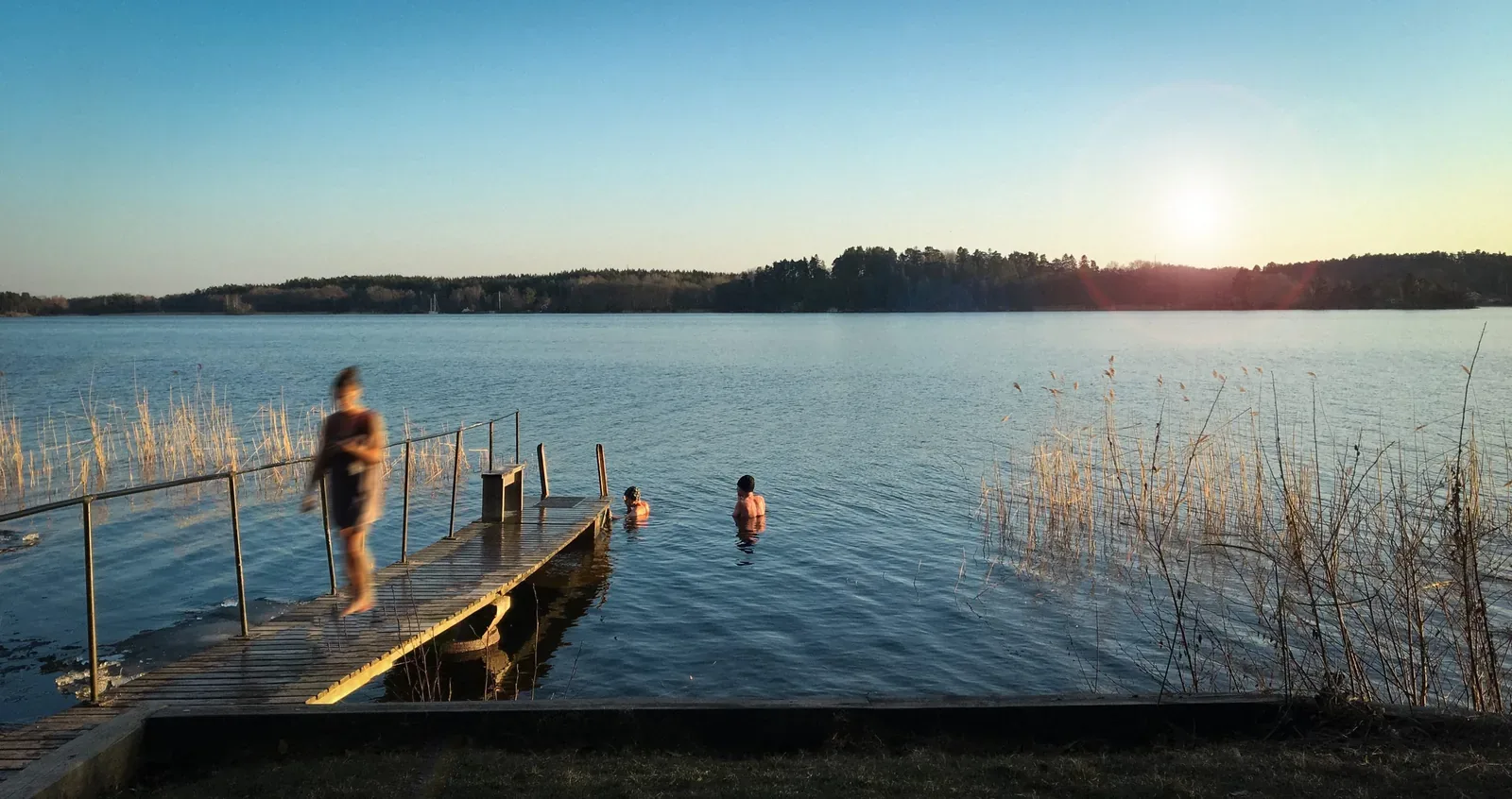
How the shock changes with temperature
The first thing cold water does is make you gasp and breathe fast. This is the cold shock response, and it's the most dangerous part of any cold plunge, because a gasp underwater can mean a lungful of water.
The RNLI, the UK's lifeboat charity, treats anything below 15 °C as cold water for exactly this reason. Lab work led by Professor Mike Tipton at the University of Portsmouth found the response gets stronger as the water cools, reaching its maximum at around 10 °C (50 °F). In a 1991 study, immersion at 10 °C provoked a response as threatening as immersion at 5 °C.
So going from 15 °C to 10 °C makes a big difference to the shock. Going from 10 °C to 3 °C mostly doesn't. What colder water does change is how fast your hands and feet stop working, and so how long you can safely stay. Our guide on how long to cold plunge covers the timings.
Beginners and experienced plungers
The good news is that cold shock fades with practice. A 2024 review of the research, by Tipton and colleagues, found it shrinks noticeably after about four immersions: in pooled results, heart rate was around 14 beats a minute lower and breathing about 8 breaths a minute slower. An earlier Portsmouth study found some of that adaptation still there 7–14 months later.
There's a catch for anyone hoping cold showers will do the work. In a 2005 study, repeated showers at 10 °C reduced the gasp response, but showers at 15 °C didn't. The skin seems to need a sharp enough drop to adapt.
A sensible plan:
- First few plunges: 12–15 °C (54–59 °F), 30 seconds to a minute.
- After a few weeks: 10–12 °C (50–54 °F), up to 2 minutes.
- Once it feels routine: go colder if you want to, but shorten the time as you do.
For recovery after exercise
If you're plunging to ease sore legs, the evidence points to cool rather than icy. A 2016 meta-analysis in Sports Medicine compared cold water studies by temperature and found the best results for soreness at 11–15 °C (52–59 °F), with immersions of 11–15 minutes. The benefit over resting was small, and the authors called for better studies. For contrast routines that switch between hot and cold, see contrast therapy.
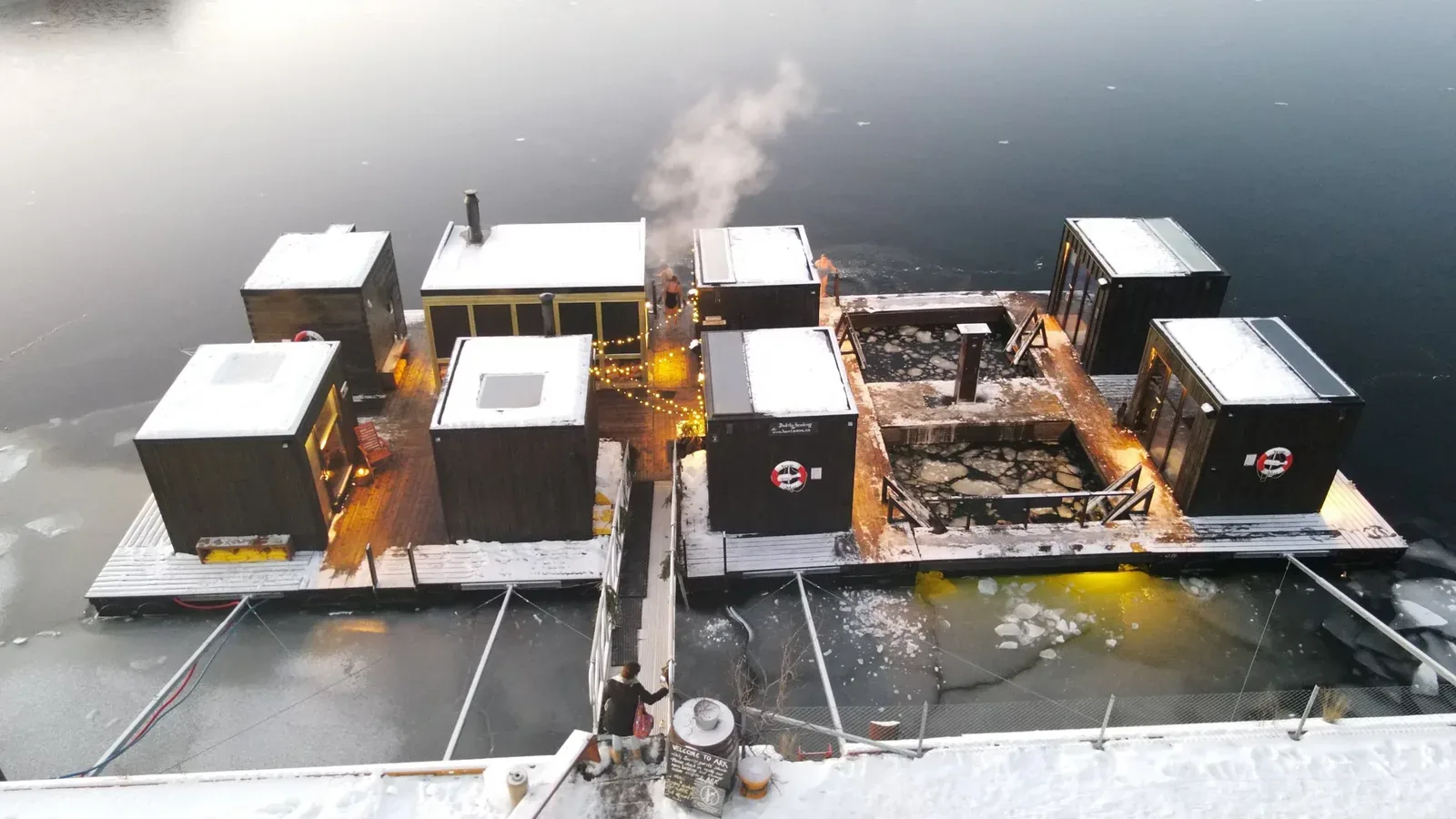
Sea and lake temperatures through the year
Open water does the cooling for you, but the temperature moves with the seasons:
| Where | Typical water temperature |
|---|---|
| UK and Irish seas | About 6–10 °C (43–50 °F) in winter, around 12 °C (54 °F) on average, rarely above 15 °C |
| Copenhagen harbour and the Øresund | About 9 °C (48 °F) in October, falling to about 1 °C (34 °F) by April |
| Baltic coast of Sweden | High teens to about 20 °C (68 °F) in a typical August |
| Nordic lakes under ice | 0–4 °C (32–39 °F) |
Sources: the RNLI for UK and Irish waters, a 2021 University of Copenhagen study of winter swimmers, and the Swedish weather service SMHI. Summer figures can also drop within days: when steady winds pull cold water up from the deep, parts of the Swedish coast have dropped to 8 °C (46 °F) in August. Late winter and early spring are usually the coldest time for the sea, because it takes months to lose its summer heat.
Measuring the water
- Use a floating or probe thermometer. A cheap pool thermometer is fine. Read it at the depth where your body will be.
- Stir an ice bath first. Water right next to the ice is much colder than water at the bottom of the tub.
- Don't trust an infrared gun. It reads the surface only, which can be colder or warmer than the water you sit in.
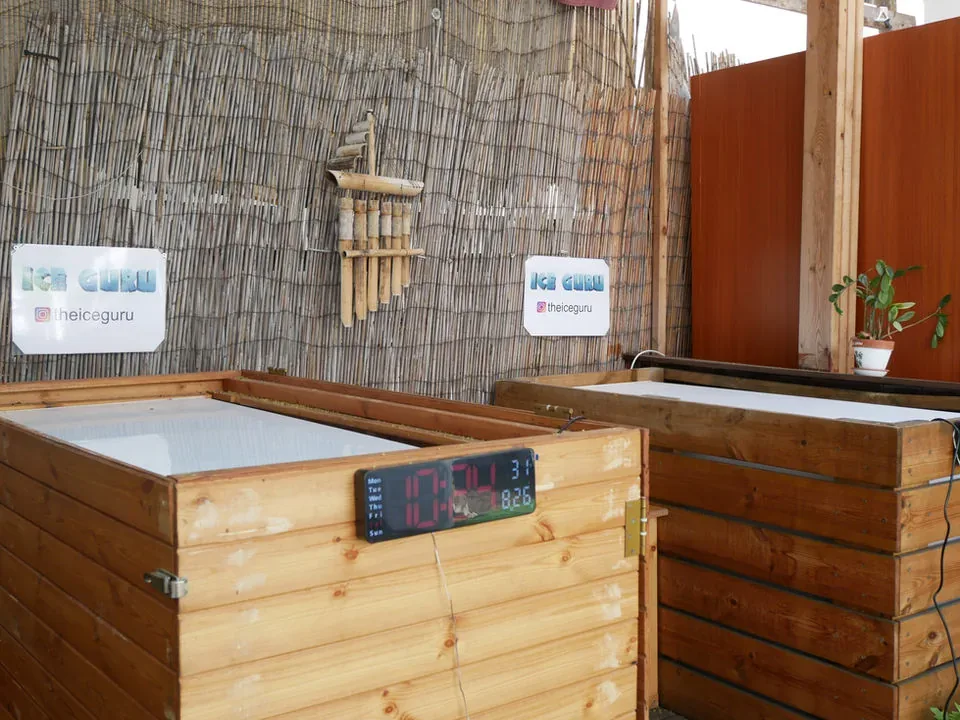
- Check the display on chilled tubs. Most show the set temperature. If you can, compare it with a thermometer now and then.
Who should be careful
Very cold water puts real strain on the heart in the first minute. Ask a doctor before you start if you have a heart condition, high blood pressure, Raynaud's or are pregnant. Don't plunge after drinking alcohol, get in slowly, keep your head above water at first, and never swim in very cold open water on your own.
This guide is general information, not medical advice.
Where to plunge
For the benefits and the basics, start with cold plunge benefits. When you're ready to try one, these places offer very different temperatures:
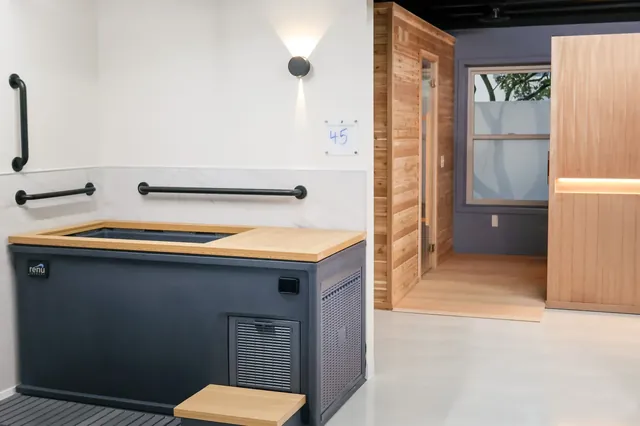
Immersion Sauna & Cold Plunge
Cincinnati · Plunges at three temperatures
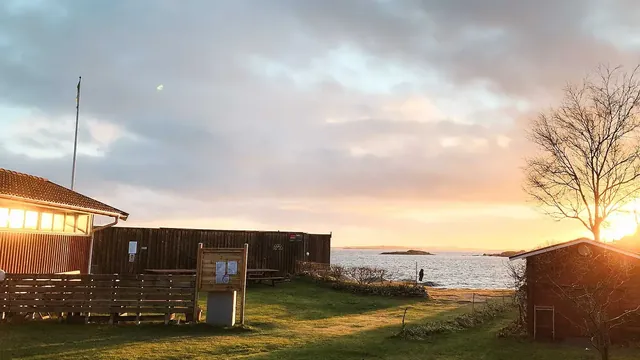
Saltholmens Kallbadhus
Gothenburg · Sea bath since 1908

Badstuvogna Ulvøya
Oslo · Fjord swims from the beach
Frequently asked questions
What temperature should a cold plunge be for beginners?
Around 10 to 15 °C (50 to 59 °F). Start at the warmer end for 30 seconds to a minute and work down over a few weeks.
Is 15 °C cold enough for a cold plunge?
Yes. Water below about 15 °C triggers the cold shock response. Many people get everything they want from 12 to 15 °C.
Is 5 °C too cold for a cold plunge?
Not for experienced plungers, but it is too cold for a first try. Keep dips very short and never do it alone.
What is the best cold plunge temperature for recovery?
A 2016 review of sports studies found the best results for muscle soreness at 11 to 15 °C, for 11 to 15 minutes. Colder was not better.
How cold is the sea in winter?
Around the UK and Ireland, about 6 to 10 °C. In Copenhagen it falls to about 1 °C by April, and lakes under ice sit between 0 and 4 °C.