Ice bath vs cold plunge: what's the difference?
 By the Find My Sauna team·
Updated ·
7 min read
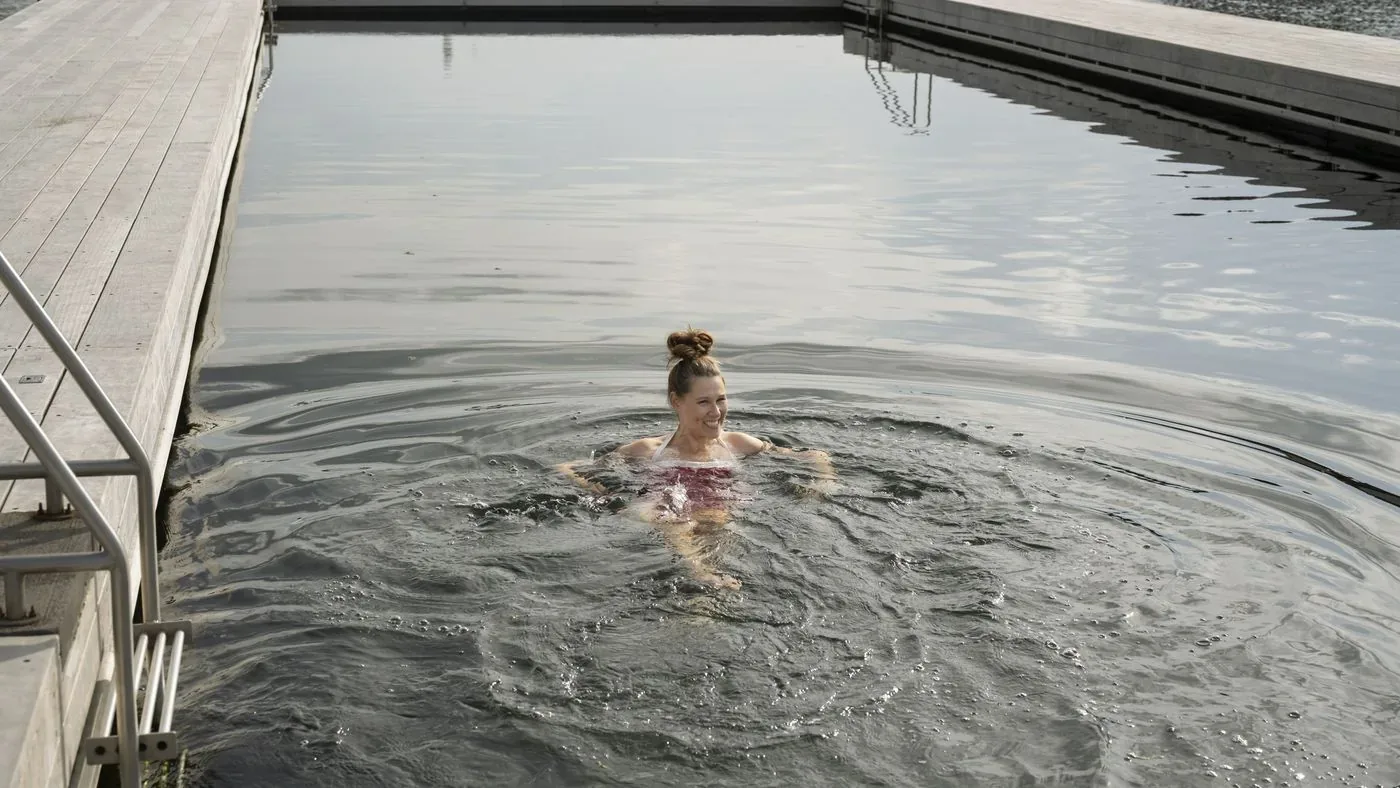
A recovery studio sells "ice baths", the sauna down the road has a "cold plunge", and your friend just jumps off the jetty. They're all doing roughly the same thing. The differences are temperature, equipment and cost.
The short answer
An ice bath is a tub of water cooled by tipping in ice. A cold plunge is any short, deliberate dip in cold water: a chilled tub, a plunge pool at a sauna, the sea or a lake. The words overlap and people use them loosely. What your body responds to is the water temperature and how long you stay in, not the name on the door. For most people 10–15 °C (50–59 °F) is cold enough. Pick whichever set-up you can get to easily and safely.
What the words mean
None of these terms has an official definition, so here is how they're generally used:
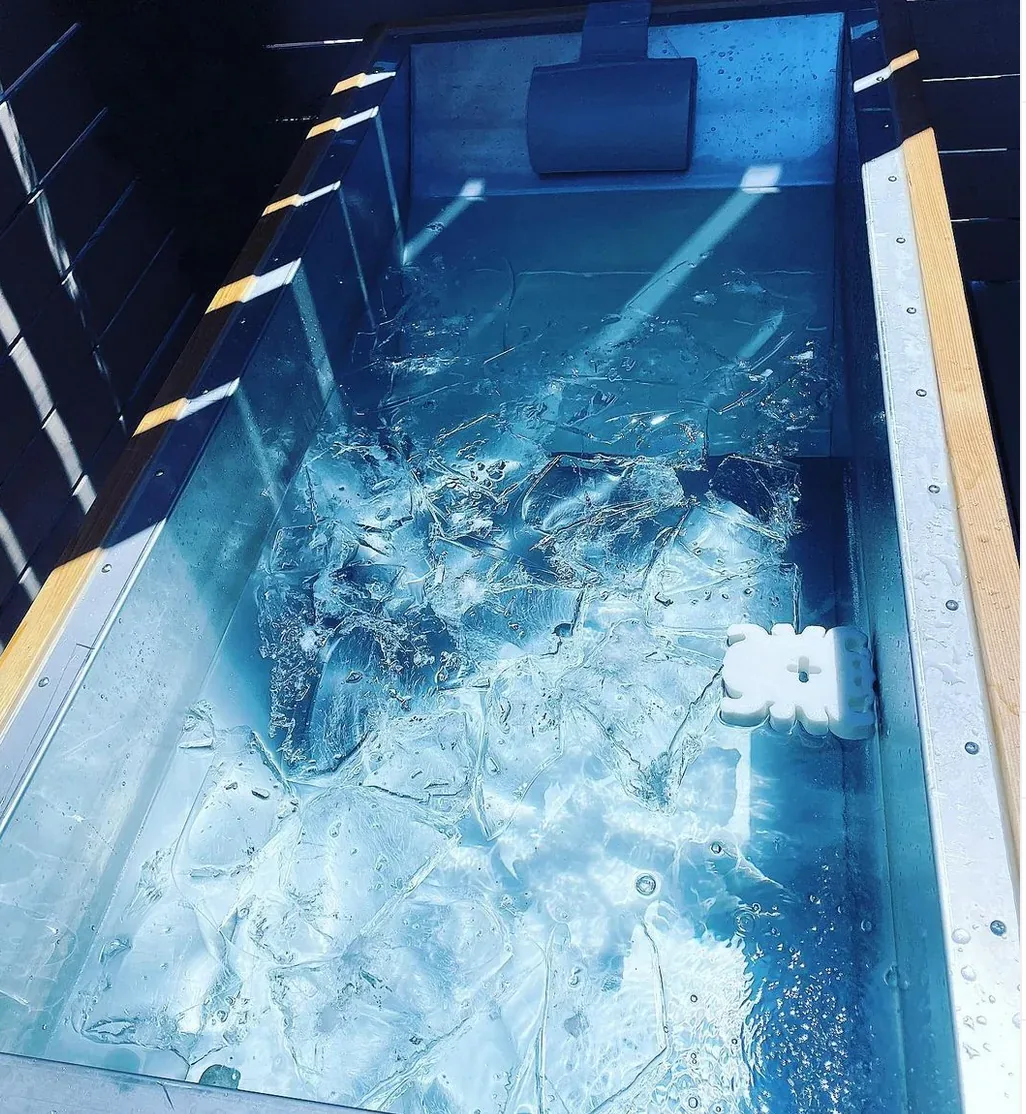
- Ice bath. A bath, tub or barrel of water with ice added to bring the temperature down. The phrase comes from sport, where a plunge into an ice bath after training is a long-standing habit.
- Cold plunge. The wider term. It covers ice baths, tubs with their own cooling unit, plunge pools and open water. If you get into cold water on purpose, briefly, it's a cold plunge.
- Plunge pool. A small, deep pool of cold water next to a sauna. Common in German, Austrian and Nordic spas.
- Cold water immersion. The term researchers use. Studies describe the water temperature and the minutes, not the equipment.
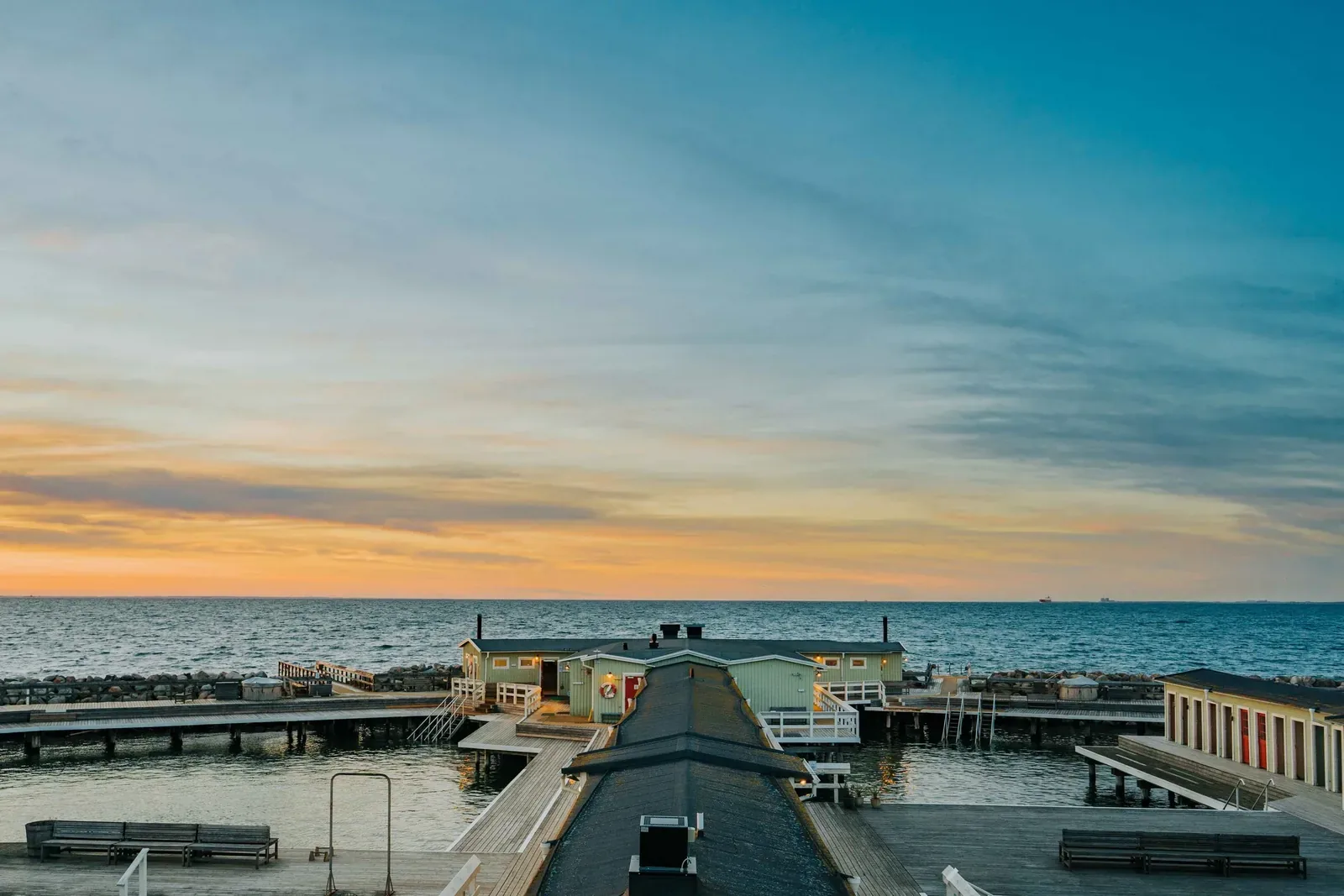
Nordic countries have their own words. In Sweden a kallbadhus, literally a cold bath house, is a bathing pier built out over the sea. In Finland an avanto is a hole cut in lake ice for a dip between sauna rounds.
Side by side
| Usual temperature | Control | Cost to use | |
|---|---|---|---|
| Ice bath | Anywhere from tap-water temperature down to near 0 °C (32 °F), depending on the ice | Low: it warms up as the ice melts | Cheap tub, ongoing cost of ice |
| Chilled plunge tub | Whatever the thermostat is set to | High: steady temperature | Expensive to buy and run |
| Plunge pool at a sauna | Varies by venue | Set by the venue | Included in your ticket |
| Sea or lake | Changes with the season, close to 0 °C (32 °F) under winter ice | None | Free, or a small club fee |
Ice baths
An ice bath is the cheapest way to get very cold water at home. You need a tub, a thermometer and a lot of ice. More than most people expect: cooling 200 litres of water from 15 °C to 5 °C (59 °F to 41 °F) takes roughly 25 kg of ice, before your body and the air start warming it up again. That's simple physics, from the energy it takes to melt ice.
The downsides are practical. The temperature drifts as the ice melts, the water near the ice is colder than the water around your legs, and buying bags of ice every time adds up. Stir the water before you get in and check it with a thermometer rather than guessing from how much ice is floating.
Chilled plunge tubs
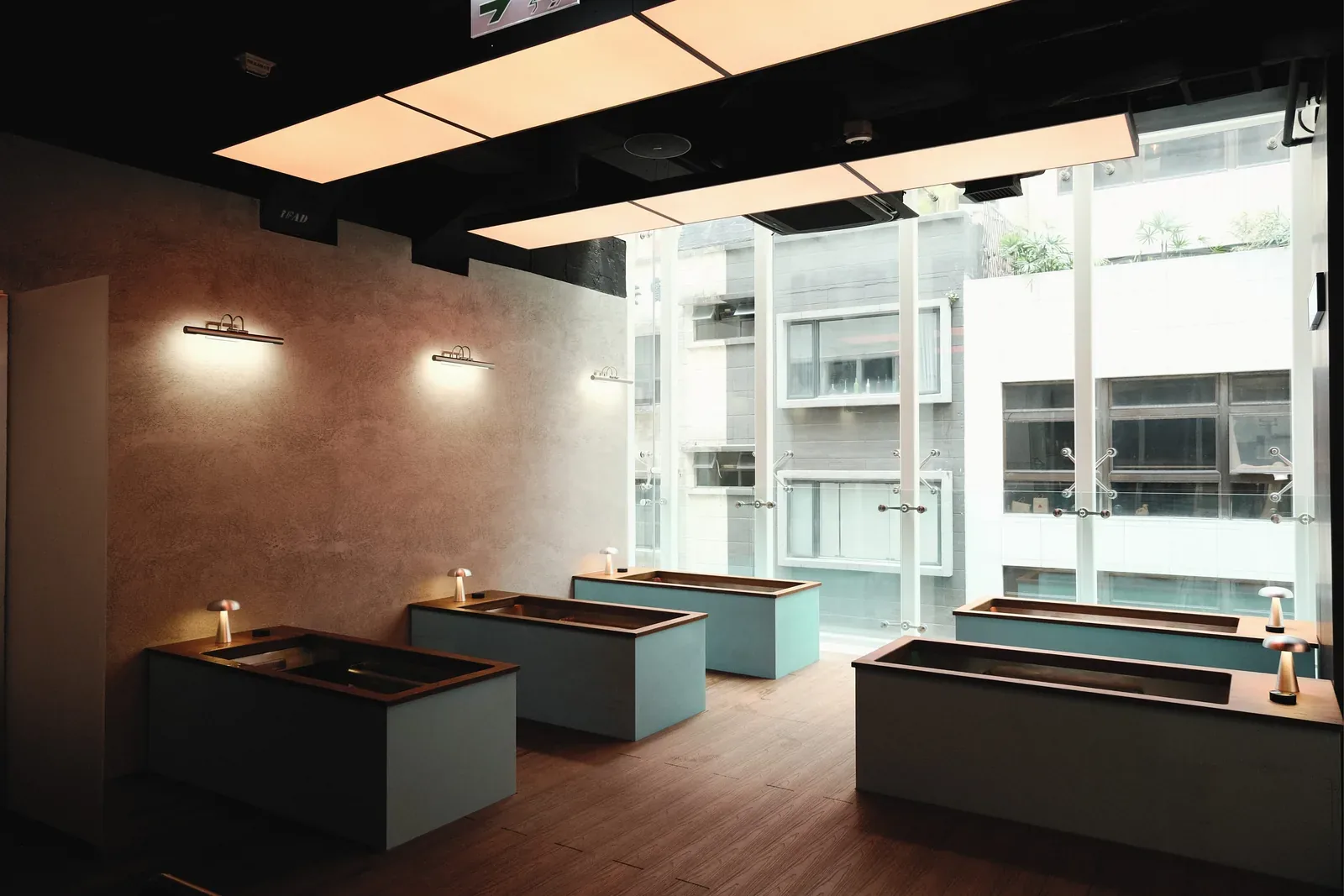
A chilled tub has a cooling unit, a pump and a filter, a bit like a hot tub working in reverse. You set a temperature and it holds it. That's why recovery studios and sauna clubs use them: every guest gets the same water, all day.
The trade-offs are price, electricity and upkeep. The water stays in the tub for weeks, so it needs filtering and sanitising. For a household it only makes sense if you'll use it most days, so try a studio's tubs first.
The sea, lakes and plunge pools
This is the oldest kind of cold plunge, and still the most common in the Nordic countries. Public saunas along the Oslofjord, the Øresund and Stockholm's lakes are built right by the water so you can climb down a ladder between rounds.
The temperature is set by the weather. In a 2021 Danish study of winter swimmers in Copenhagen, the water fell from about 9 °C (48 °F) in October to about 1 °C (34 °F) in April. Open water also brings risks a tub doesn't: waves, currents, slippery ladders and ice. Go where there's a proper exit, and never alone. Our guide to cold plunge temperature has more on sea temperatures through the year.
A plunge pool at a spa sits somewhere in between: open to everyone, no equipment to buy, and the venue looks after the water.
Does your body notice the difference?
Mostly no. Your skin can't tell whether the water was cooled by ice, a compressor or the North Sea. What changes the experience is:
- Temperature. Lab studies at the University of Portsmouth found the gasping, cold shock response is strongest from around 10 °C (50 °F) down, and smaller at 15 °C (59 °F).
- Moving water. Waves, currents or a pump feel colder than still water at the same temperature, because they keep carrying away the thin layer of water your skin has warmed.
- Time. A minute at 5 °C and a minute at 15 °C are very different experiences.
The alertness and lift in mood people report come from the cold itself. See cold plunge benefits for the research.
Which to choose
- You're curious and want to try it. Go to a sauna with a plunge pool or a cold tub. It's the cheapest test, and staff can show you how.
- You live near the sea or a lake. Join a winter swimming or sauna club. You get company, a safe exit and a warm sauna to come back to.
- You want it at home a few times a month. A tub and bags of ice will do. Buy a thermometer.
- You'll use it nearly every day at home. That's when a chilled tub starts to earn its price.
Most people like the cold far more after a sauna. See sauna then cold plunge for how to put the two together.
Who should be careful
Whatever the set-up, cold water raises your heart rate and blood pressure sharply in the first minute. Talk to your doctor first if you have a heart condition, high blood pressure, Raynaud's or are pregnant. Never plunge after drinking alcohol, get in slowly rather than going in head first, and don't do open water alone.
This guide is general information, not medical advice.
Where to try one
Plenty of saunas on Find My Sauna have a plunge pool, cold tubs or the sea on the doorstep. A few to start with:

CopenHot
Copenhagen · Cold plunge tubs

Holm8 Health Hub
Copenhagen · Chilled plunges

Glaecier
Copenhagen · Floating harbour pool
Frequently asked questions
Is an ice bath colder than a cold plunge?
Not necessarily. It depends on the water temperature, not the name. A chilled tub set to 5 °C is colder than an ice bath with only a few bags of ice in it.
How much ice do I need for an ice bath?
More than you think. Cooling 200 litres of water from 15 °C to 5 °C takes roughly 25 kg of ice, and it keeps melting while you sit in it.
Is a cold shower the same as a cold plunge?
It is milder, because only part of your body is in the cold at once. It is still a good way to get used to cold water before you try a plunge.
Is the sea as good as an ice bath?
For the cold itself, yes. The sea is free and often colder in winter than a tub, but it brings waves, currents and ice, so only swim where there is a safe way out and never alone.
Is a cold plunge tub worth buying?
Only if you will use it most days. Try the tubs at a sauna or recovery studio for a few weeks first and see if the habit sticks.


