Contrast therapy: how to do hot-cold cycles
 By the Find My Sauna team·
Updated ·
7 min read
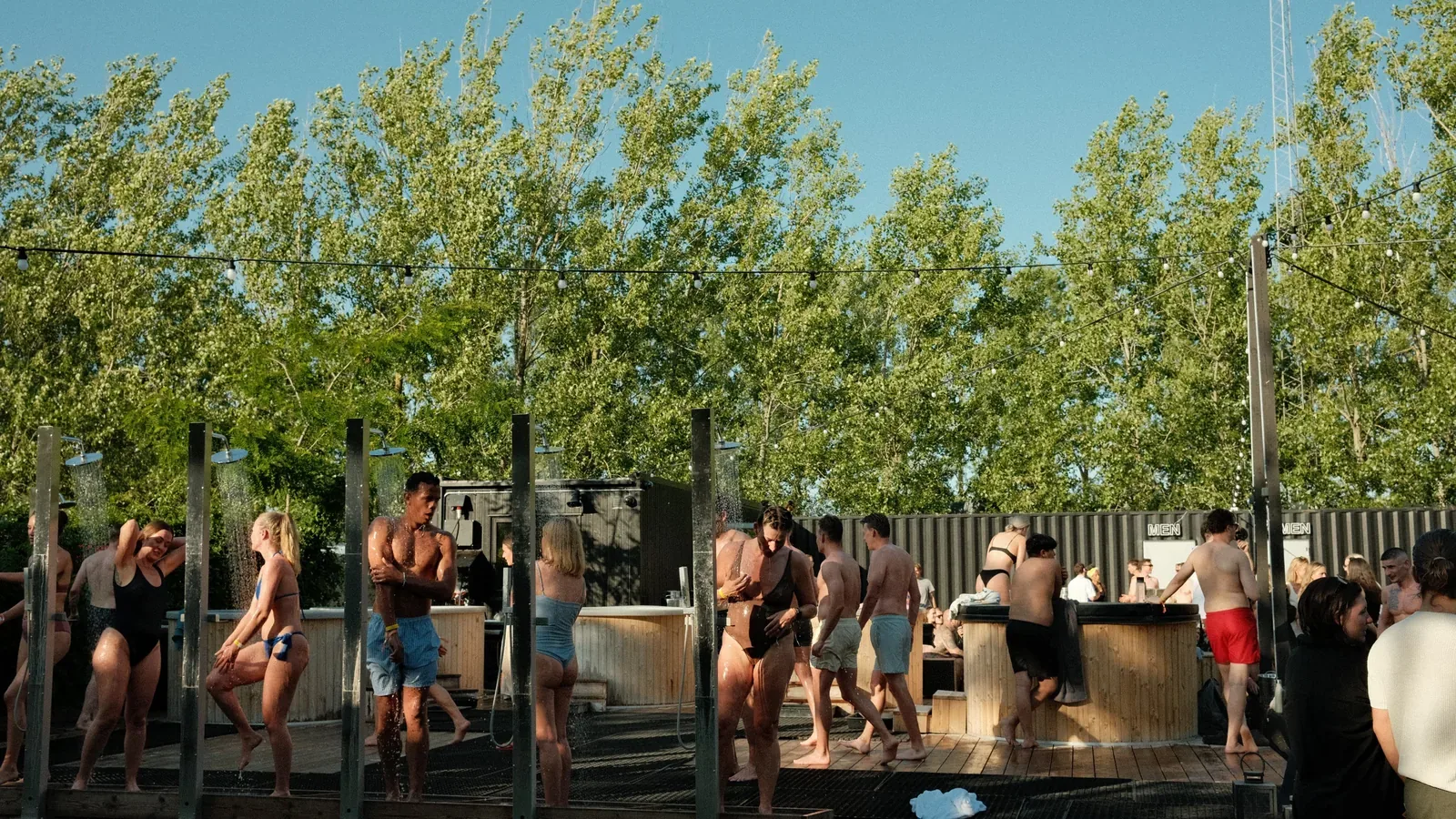
Hot, then cold, then hot again. Finns have done it with a sauna and a lake for centuries, and sports physios do it with two tubs and a stopwatch. The name "contrast therapy" is new. Here's what it is, what the studies on it actually found, and how to do it without overdoing it.
The short answer
Contrast therapy means switching between heat and cold several times in one session: sauna and cold plunge, hot and cold tubs, or a shower turned from hot to cold. A 2013 review of 18 trials found it eased muscle soreness after exercise better than simply resting, but not clearly better than cold water alone or an easy cool-down. A common sports protocol is about 1 minute in water at 10–15 °C (50–59 °F) and 1–2 minutes at 38–40 °C (100–104 °F), repeated 3–7 times. Anyone with a heart condition should ask a doctor first.
What contrast therapy is
The idea is simple: alternate warm and cold exposure, several times, in one sitting. It turns up in three settings that rarely talk to each other:
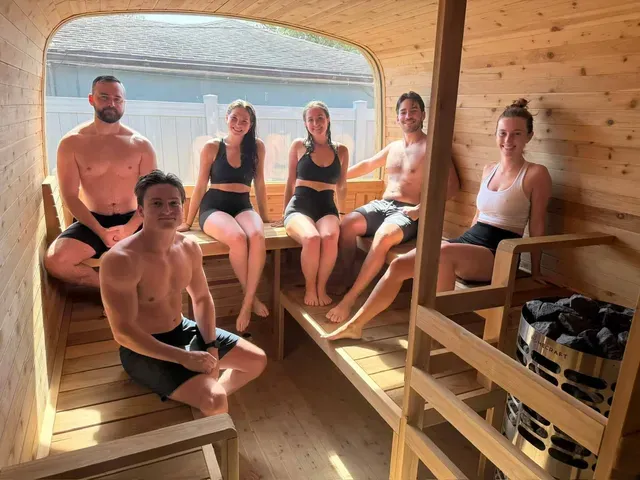
- Sauna culture. A round in the sauna, a dip in cold water, a rest, then back in. This is how saunas in Finland, the Baltics, Germany and Scandinavia have long been used.
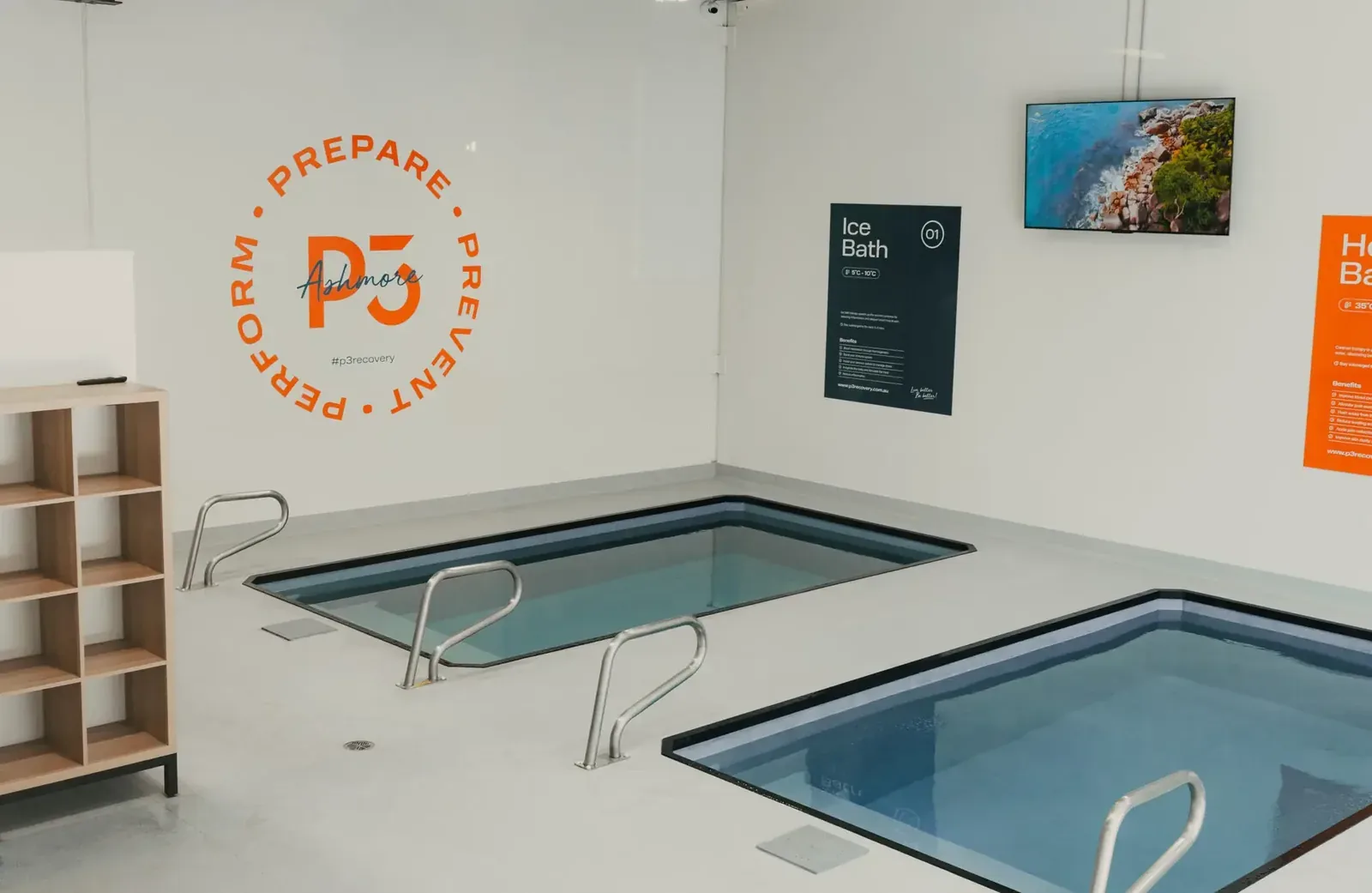
- Sport. Physios call it contrast water therapy: one tub of hot water, one of cold, and short timed switches between them after training or a match.
- The bathroom. A contrast shower, switching the tap between hot and cold, is the cheap home version.
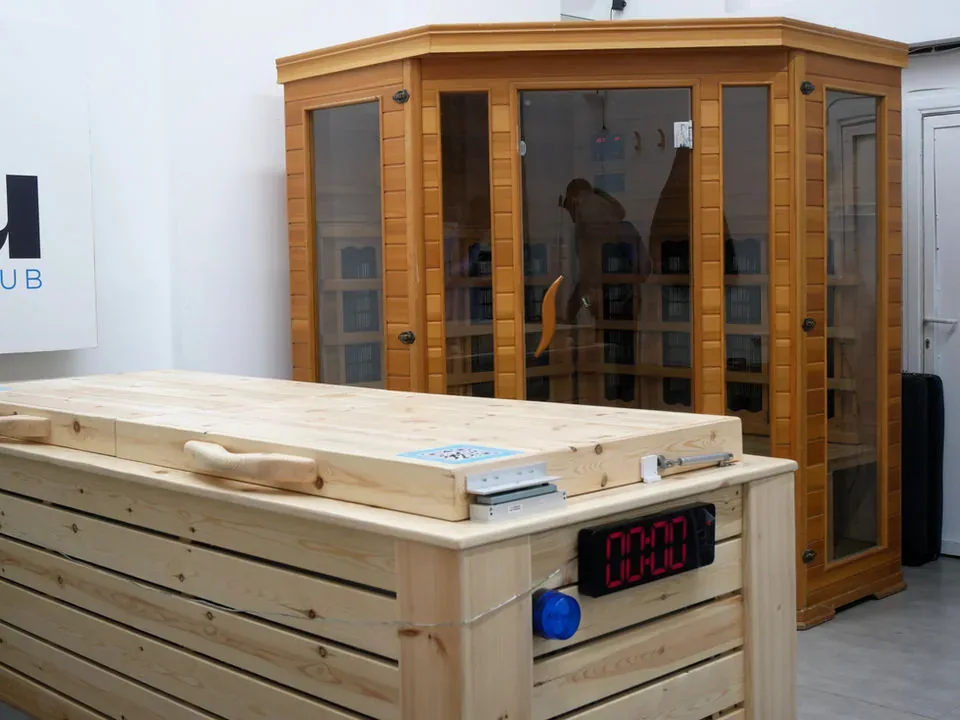
Recovery studios now sell it as a package: an infrared or Finnish sauna, chilled tubs and sometimes a hot tub, booked by the hour.
What happens in your body
In the heat, blood vessels in your skin widen and your heart rate climbs as your body tries to shed heat. In a Finnish sauna, heart rate can reach 120–150 beats a minute. In cold water the same vessels clamp shut to protect your core, and you get a burst of noradrenaline, the hormone behind the wide-awake feeling.
Switching between the two makes those vessels open and close repeatedly. You'll often read that this "pumps" waste out of tired muscles. It's a reasonable-sounding idea, but nobody has shown that it's what actually happens. Treat it as a theory.
What the research says about recovery
The best summary is a 2013 systematic review in PLOS One by Bieuzen, Bleakley and Costello. They pooled 18 trials with 356 people, mostly young men doing hard exercise. What they found:
- Better than rest. People who did contrast water therapy reported less muscle soreness over the next four days than people who just rested.
- Not clearly better than the alternatives. Compared with cold water alone, warm water, an easy cool-down, compression or stretching, there was little difference.
- Weak studies. All 18 trials had a high risk of bias, and most were small, with an average of 19 people.
So contrast therapy seems to help you feel less sore, about as much as other common recovery methods. If you lift weights to build muscle, there's one more thing to know. A 2015 study found that regular cold water straight after strength training reduced muscle and strength gains over 12 weeks. That study used cold alone, but it's sensible to keep any cold-heavy routine a few hours away from your strength sessions. Our guide on sauna before or after a workout covers timing in more detail.
Other claims
You'll see contrast therapy linked to better heart health, immunity and metabolism. The evidence for these is thinner than the marketing suggests:
- Heart health. The large Finnish studies linking frequent sauna use to fewer heart deaths looked at sauna use, not at the cold part. More in sauna benefits.
- Handling cold. A 2021 Copenhagen study compared eight young men who winter-swam and used saunas 2–3 times a week with eight who didn't. The swimmers handled cold better, producing more heat when chilled. It was a small comparison, and it can't show the habit caused the difference.
- General health. A 2022 review of 104 studies on voluntary cold water exposure found some promising signals, but mostly small studies, and noted that winter swimmers may simply be healthier people to begin with.
If you do it, do it because it feels good. Most people find it does.
Three ways to do it
| Hot | Cold | Cycles | |
|---|---|---|---|
| Sauna and plunge | 8–15 min in the sauna | 30 sec–2 min | 2–3 rounds, with a rest after each |
| Hot and cold tubs (sports) | 1–2 min at 38–40 °C (100–104 °F) | 1 min at 10–15 °C (50–59 °F) | 3–7, about 10–15 min in total |
| Contrast shower | 1–2 min warm | 20–60 sec cold | 3–5 |
The sports protocol comes from the trials in the 2013 review: cold dips averaged about 11 °C (52 °F) and hot dips about 39 °C (102 °F), usually with one part cold to one or two parts hot. The sauna version is gentler on the clock but much hotter, which is why it includes a proper rest. The shower times are our own suggestion, a scaled-down version of the sports routine. For the practical routine at a public sauna, see sauna then cold plunge.
Getting the cycles right
- Start mild. Your first cold dips can be 15 °C (59 °F) and short. Our guide to cold plunge temperature explains how the shock grows as the water gets colder.
- Go in slowly. Lower yourself in and breathe out long and slow until the gasping settles.
- Keep the hot part warm, not scalding. In the sports trials the hot water averaged about 39 °C (102 °F), like a hot bath.
- Sit down if you feel dizzy. Your blood pressure swings each time you switch, and standing up quickly from hot water can make you lightheaded.
- End how you like. There's no good evidence on finishing hot or cold. Finish cold for the fresh feeling, warm if you have to go out into a winter evening.
Who should be careful
- Heart disease. A 2018 review of sauna research in Mayo Clinic Proceedings noted that quick switches from heat to cold are generally safe for healthy people, but can trigger irregular heart rhythms in people with heart disease. Ask your cardiologist first.
- Blood pressure problems or blood pressure medicine. Expect bigger swings and more dizziness.
- Alcohol. Never mix it with heat or cold water.
- Pregnancy, Raynaud's or cold sensitivity. Check with your doctor or midwife.
This guide is general information, not medical advice.
Where to try it
Many saunas on Find My Sauna have cold tubs, a plunge pool or the sea next door. A few with both hot and cold on site:

Hottub Copenhagen
Copenhagen · Hot tubs, sauna, cold tubs

Sauna85
Copenhagen · Sauna and cold plunge
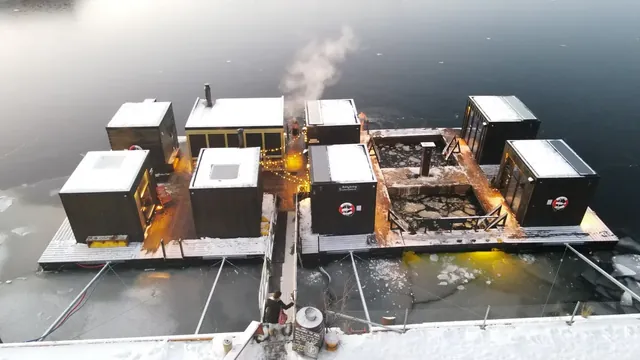
Havet Arena
Trondheim · Saunas, cold tubs, fjord
Frequently asked questions
What is contrast therapy?
Alternating heat and cold several times in one session, for example sauna and cold plunge, hot and cold tubs, or a shower switched between hot and cold.
Does contrast therapy work for recovery?
It reduces muscle soreness compared with resting, according to a 2013 review of 18 trials. It was not clearly better than cold water alone or an easy cool-down, and the studies were small.
How long should each hot and cold phase be?
In the sports studies, about 1 minute cold and 1 to 2 minutes hot, repeated 3 to 7 times. With a sauna, 8 to 15 minutes of heat, a short cold dip and a rest.
Should you end contrast therapy on hot or cold?
There is no good research either way. Ending cold feels refreshing. Ending warm is more comfortable if you are heading out into the cold.
Is contrast therapy safe?
For most healthy adults, yes. People with heart disease, blood pressure problems or who are pregnant should talk to a doctor first, and nobody should do it after drinking.