Infrared vs traditional sauna: which should you choose?
 By the Find My Sauna team·
Updated ·
7 min read
Most people asking this have tried one kind of sauna and are wondering about the other, or they're about to pay for a membership or a cabin for the house. Which one suits you depends less on which is "better" and more on what you want from the heat.
The short answer
Choose a traditional sauna if you like proper heat, steam off the stones and sitting with other people, or if you want the kind of sauna used in the big Finnish health studies. Choose infrared if hot air makes you uncomfortable, you'd rather sit alone for half an hour, or you want something small and simple at home. Infrared air runs at about 45–60 °C (113–140 °F), a traditional sauna at 80–100 °C (176–212 °F). If you can, try both before you spend real money.
For how each type works and a side-by-side table of the basics, start with what is an infrared sauna. This guide is about choosing.
If you find heat hard
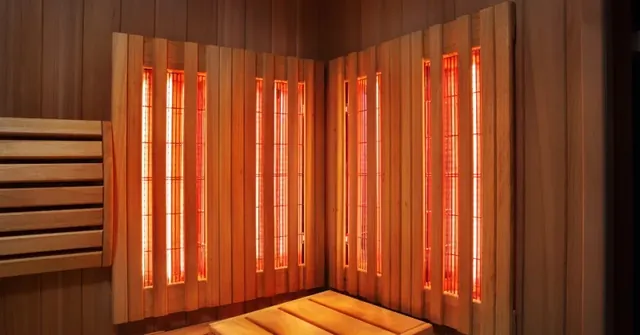
This is the clearest case for infrared. The air in the cabin stays far cooler, there's no steam, and breathing feels easy. Most of the warmth comes from panels that heat your skin directly. People whose throat burns or whose head pounds in a Finnish sauna are often comfortable in infrared for 20 minutes or more.
A traditional sauna can be made gentler too. Sit on the lowest bench, don't throw water on the stones, and keep rounds to 5–10 minutes. If that still feels like too much, infrared is the easier way in. Our guide to infrared sauna temperature explains why the lower number on the thermometer still makes you sweat.
If you care about the research
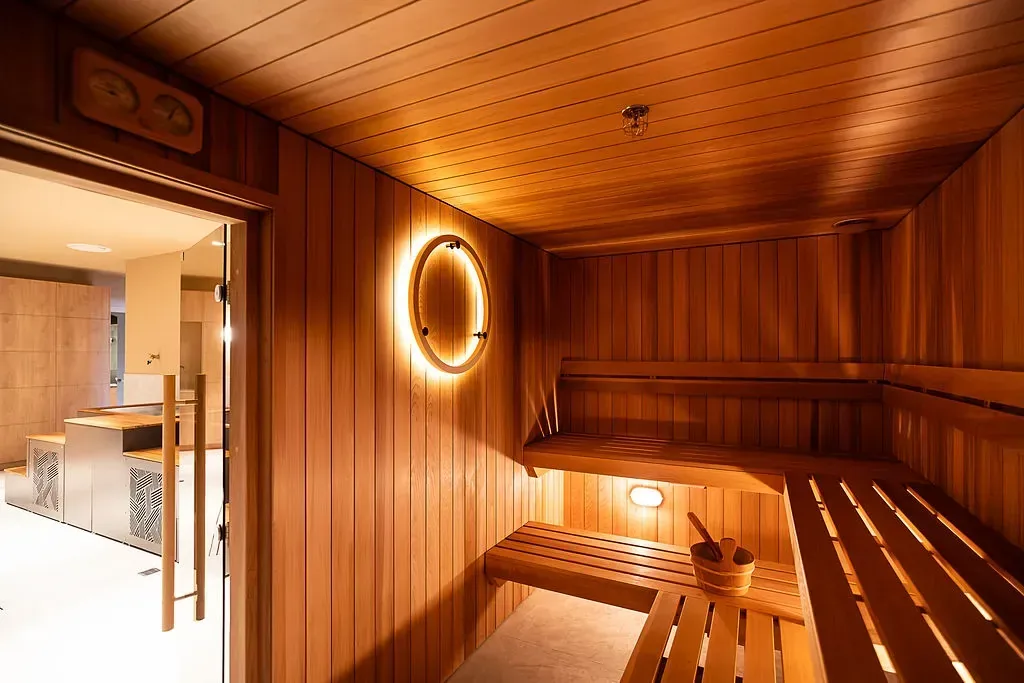
Go traditional. The studies linking sauna use with fewer deaths from heart disease, and lower rates of stroke and dementia, come from Kuopio in eastern Finland, where researchers followed more than 2,000 men for about 20 years. Those men used traditional saunas, and the strongest links showed up in people who went 4–7 times a week. Infrared has nothing like that. Its evidence is mostly small trials lasting weeks.
That doesn't mean infrared does nothing, and temperature seems to matter. In a 2025 University of Oregon study, a far-infrared session barely moved core body temperature. In a small study shared online by the maker of the cabin it used, researchers at Cardiff Metropolitan University ran a cabin at 65 °C (149 °F) for 45 minutes, and core temperature rose by about 1.4 °C, in the range a traditional sauna produces. Infrared can load your body with heat in a similar way, but only when it's run hot. The wider picture is in sauna benefits: what the research actually says.
If you train hard
Both work as a recovery habit. The main test of infrared after training is small: in a 2015 study at the University of Jyväskylä, ten men sat in a far-infrared sauna for 30 minutes after exercise. It seemed to help them recover from an endurance session, but made no measurable difference after a strength session. The researchers described the session as light on the body.
Regular heat after training may also help endurance. In a 2007 study, six runners who used a sauna for about 30 minutes after training, over three weeks, could run 32% longer before exhaustion. That's a tiny study, so treat it as a hint. If you finish a long run wrecked, the milder infrared cabin may be the one you'll actually use, and using it beats skipping it.
If you want company, or quiet
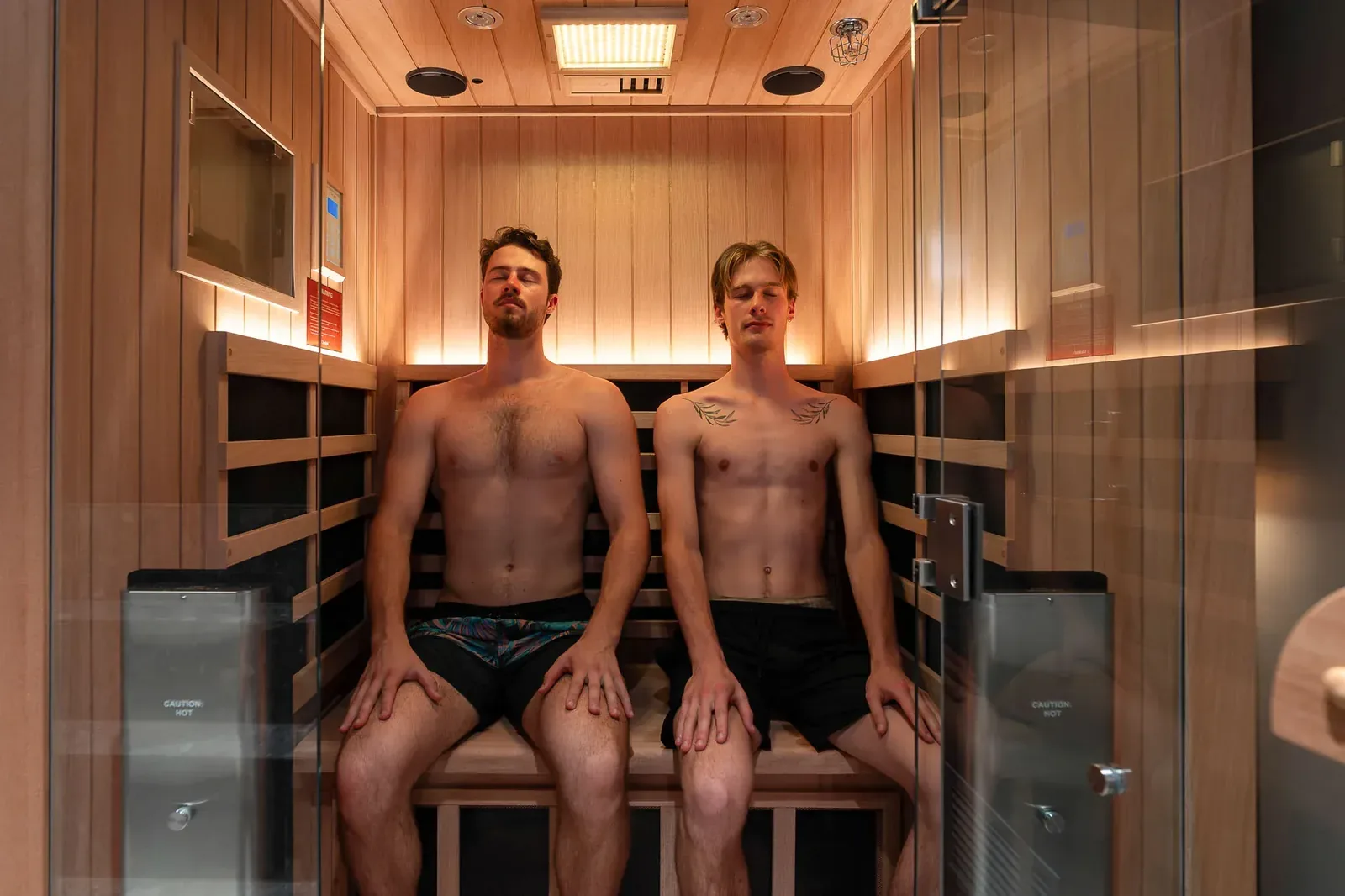
Traditional saunas are built to be shared. Public saunas in Finland, the Baltics and Germany often seat a crowd on long tiered benches, and the routine of heat, cold water and rest happens together. Infrared is usually the opposite: a cabin for one to three people, booked by the slot, often with music, coloured lights or a screen.
Some people want a chat and a cold dip in the sea between rounds. Others want 40 minutes where nobody talks to them. Be honest about which one you are, because it's the thing most likely to decide whether you keep going.
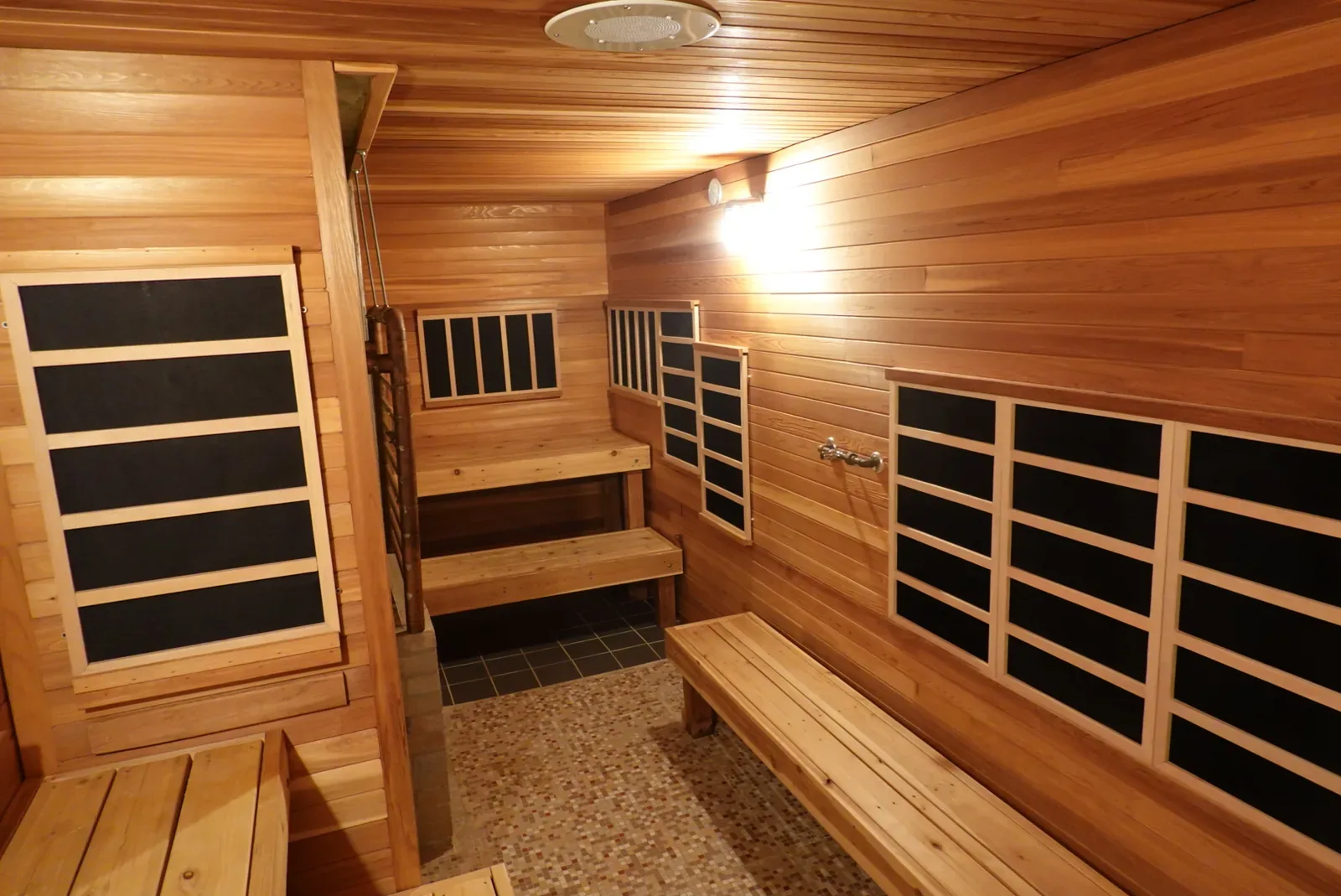
If cost matters
At venues, infrared is usually booked privately, which can make it the dearer option per visit. At O-Studio in Auckland, for example, a communal traditional session is listed at NZ$45 and a private infrared room at NZ$95. Shared rooms spread the cost of heating across more people. Prices vary a lot from city to city, so check the venue page before you go.
If you are buying one for home
Infrared cabins are smaller and generally cheaper to run. The two-person cabin in the Cardiff study is rated at 2.65 kW, and the researchers worked out that a session with an hour of preheating uses up to about 4.6 kWh. A traditional sauna has to heat a whole room of air and a load of stones to 80 °C or more, so it takes longer to get up to temperature. In return you get real löyly, more bench space and a sauna that works for friends and family.
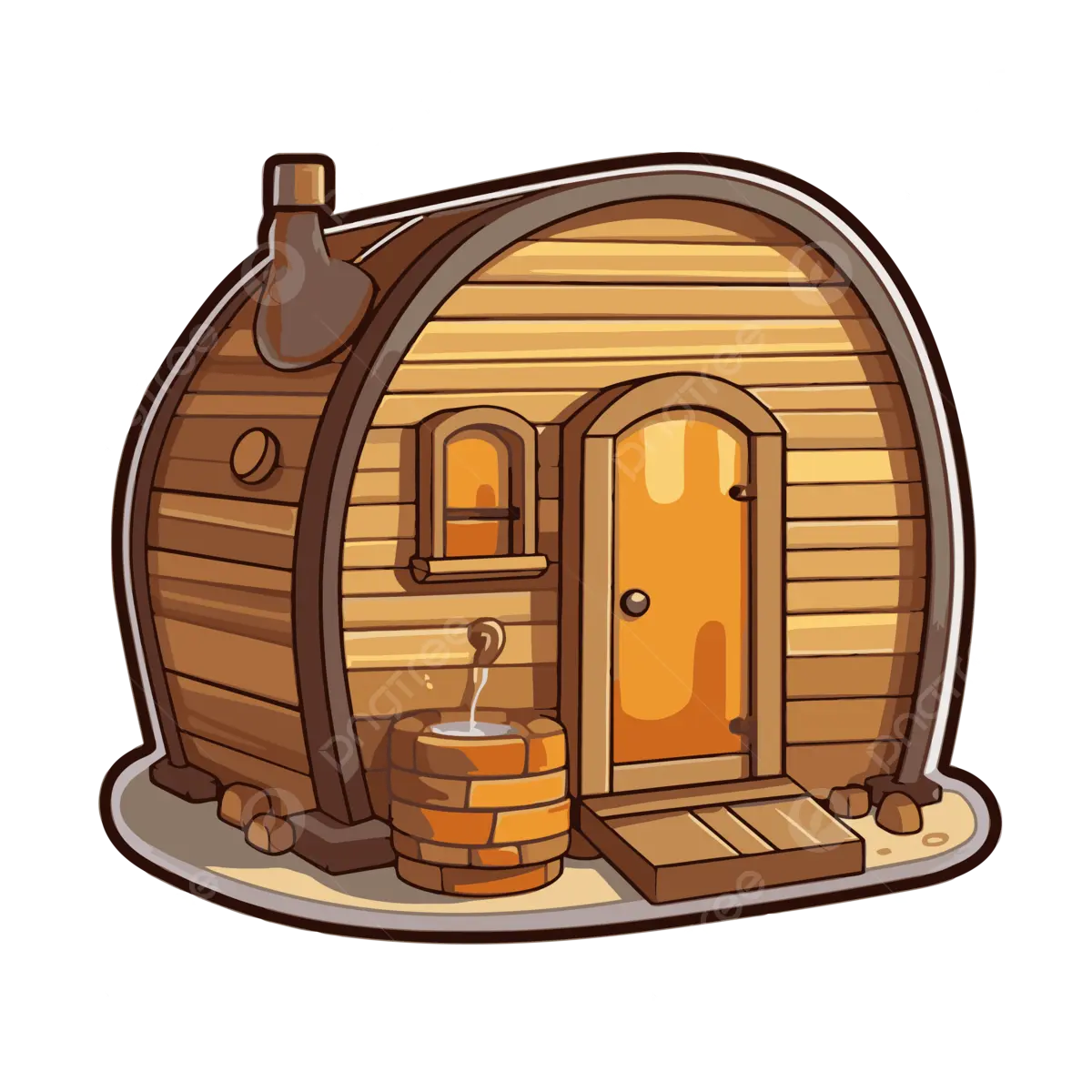
If you want a traditional sauna outdoors, read barrel saunas: cost, pros and cons. If you're weighing the cheapest infrared option, are sauna blankets worth it? covers it.
Try them side by side
The quickest way to decide is a place that has both. The Bathhouse in Albion, Brisbane, has two traditional saunas and two infrared cabins. Recovery Hive on the Sunshine Coast and O-Studio in Queenstown pair a hot-stone sauna with private infrared rooms. Do a traditional session one week and infrared the next, then notice which one you find yourself looking forward to.
Who should be careful
Both types raise your heart rate and body temperature, and a hot infrared cabin can raise them as much as a traditional sauna. Talk to a doctor first if you are pregnant, have a heart condition or very high or low blood pressure, or take medicine that affects blood pressure or sweating. Don't go in after drinking alcohol, drink water before and after, and leave at the first sign of dizziness, nausea or a headache.
This guide is general information, not medical advice.
Where to try both
These venues have a traditional sauna and infrared under one roof:
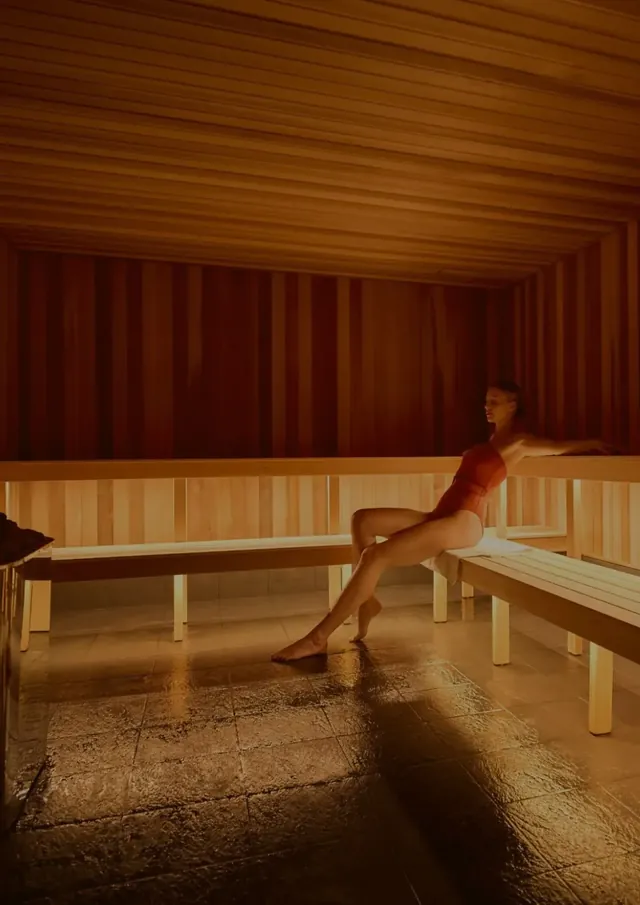
The Bathhouse Albion
Brisbane · Traditional and infrared
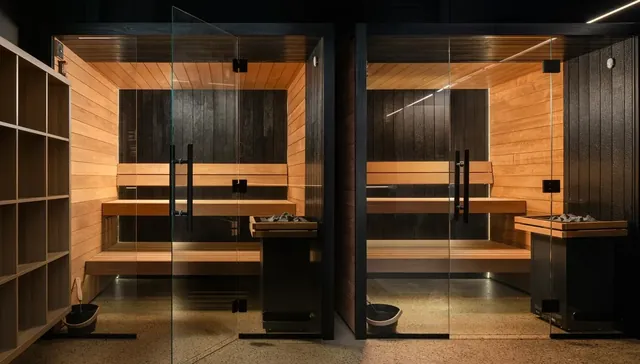
Recovery Hive
Sunshine Coast · Finnish and infrared
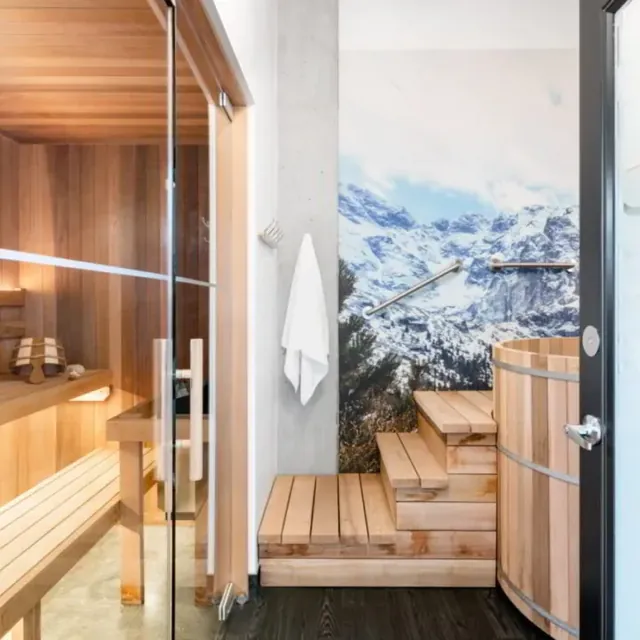
RITUAL Nordic Spa
Victoria · Nordic sauna house
Frequently asked questions
Is an infrared sauna better than a traditional sauna?
Neither is better overall. Traditional saunas have far more long-term research behind them. Infrared is gentler on your breathing and easier to sit in for longer.
Which burns more calories, infrared or traditional?
Neither burns much. Your heart works harder in both, but the weight you lose is sweat, and it comes back when you drink.
Can I use an infrared sauna if I cannot stand normal sauna heat?
Usually, yes. The air is much cooler and there is no steam. Start at a low setting for 10–15 minutes.
Which is cheaper to run at home?
Infrared, in most cases. The cabins are small and only need to heat the air to about 45–60 °C, while a traditional sauna heats a room and stones to 80 °C or more.
Is infrared safer than a traditional sauna?
It is milder at normal settings, but a hot infrared cabin still raises your heart rate and core temperature a lot. The same precautions apply to both.